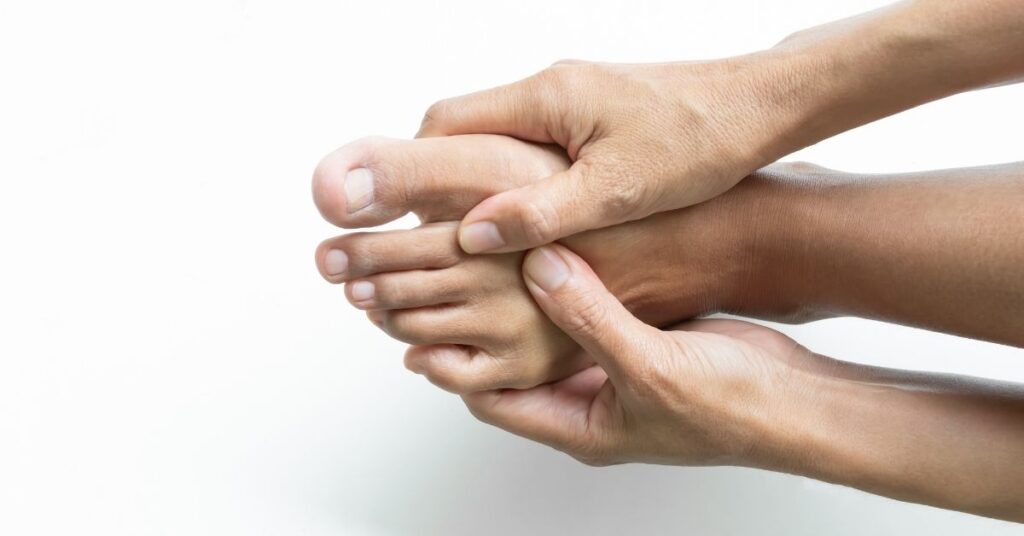
During a gout flare, cold packs, rest, a raised joint, and early anti-inflammatory treatment can bring relief the same day.
A gout flare can arrive out of nowhere. A toe, ankle, or knee turns hot, swollen, and painful to the lightest touch. You want the pain down fast so you can sleep, walk, or get through work. This plan keeps things practical: first-hour moves, same-day medicine options, and red flags that call for urgent care.
“Instant” rarely means minutes. Many people feel a shift within hours once swelling settles and the right medicine is on board. If this is your first flare, you have fever, you feel unwell, or the joint pain keeps rising even after rest and pain medicine, get same-day care. A joint infection can feel like gout and needs urgent treatment.
| Action | When To Do It | Notes And Safety |
|---|---|---|
| Stop loading the joint | Right away | Extra steps can keep the flare firing. Use a cane or crutches if you have them. |
| Raise the joint | Right away | Prop the foot or hand on pillows so it sits higher than your chest. |
| Cold pack cycles | First 2–6 hours | 15–20 minutes on, then at least 20 minutes off. Wrap ice so you don’t freeze the skin. |
| Keep fabric off the sore spot | First day | Use a bed cradle, a rolled towel, or loose socks so nothing rubs the joint. |
| Start your flare medicine early | As soon as you can | Early dosing often works better than waiting for peak pain. |
| Hydrate in small sips | First day | Water helps if you’re a bit dehydrated. Skip sugary drinks and alcohol. |
| Avoid heat at first | First hours | Warm soaks can raise throbbing in early flare stages for some people. |
| Call for same-day care if red flags show up | Any time | Fever, spreading redness, drainage, or first-ever flare needs medical review. |
How To Stop Gout Pain Instantly In The First Hour
If you’re searching for how to stop gout pain instantly, start with two goals: calm inflammation and protect the joint from extra irritation. Do these steps in order. They stack well together.
Set up the joint for less pain
Get the joint still. Take pressure off it. Then prop it up with pillows so swelling can drain. If it’s a foot flare, loosen laces or switch to open-toe footwear. If it’s a hand flare, remove rings early, before swelling traps them.
Keep touch to a minimum. A light brush can feel brutal during a flare, so give the joint space. If bedding hurts, use a towel roll to lift the blanket away from the toe or ankle.
Use cold in short, repeatable blocks
Cold packs help two ways: they numb surface nerves and can slow swelling. Wrap the pack in a thin cloth. Place it on the joint for 15–20 minutes, then take it off for at least 20 minutes. Repeat as you can.
Don’t chase a “numb forever” feeling. Too much cold can irritate skin and backfire. The goal is steady, repeatable relief.
Pick the safest same-day pain option
Gout pain is driven by inflammation, so anti-inflammatory treatment often beats plain pain relief. Many flare plans use one of these first-line options: an NSAID, colchicine, or a steroid. That mix lines up with rheumatology guidance for gout flares. You can read the list of first-line flare options in the 2020 American College of Rheumatology guideline for gout.
If you already have a prescription flare plan, follow it. If you don’t, an over-the-counter NSAID may help some people, yet it isn’t safe for everyone. People with kidney disease, stomach ulcers, blood thinners, heart failure, or late pregnancy should avoid NSAIDs unless a clinician has okayed them. If NSAIDs aren’t a match for you, call a clinic for same-day options.
Acetaminophen can take the edge off pain, yet it doesn’t calm swelling in the joint. If you use it, stay within the label limits and avoid it if you have active liver disease or drink heavily. NSAIDs can reduce pain and swelling, yet they aren’t for everyone. Skip NSAIDs unless you know they’re safe for you if you have a past stomach bleed, active ulcers, chronic kidney disease, uncontrolled blood pressure, or you take blood thinners.
Don’t squeeze, rub, or “walk it off”
It’s tempting to stretch, massage, or force the joint to “loosen up.” During a flare, that often stirs the joint and keeps it angry. Rest now so you can move sooner later.
If you must move, keep steps short and slow. Use a stiff-soled shoe or a walking boot if you already own one. The goal is fewer sharp bends at the joint.
What’s going on inside the joint
Gout flares happen when urate crystals trigger a strong inflammatory response in a joint. That reaction brings heat, swelling, and sharp pain. The flare can settle on its own over days, yet the first day often feels rough. The aim of flare treatment is to cool the joint and slow the inflammatory cascade so you can function again.
Crystals irritate the joint lining, so a light touch can hurt. Cold can numb surface nerves. Keeping the joint raised helps fluid drain away. Heat can feel good later, yet in the first hours it can worsen throbbing in others.
Same-day medicine paths
The fastest relief usually comes from medicine that targets inflammation. Many people keep a flare plan at home so they can treat early. The National Institute of Arthritis and Musculoskeletal and Skin Diseases lays out common treatment routes on its NIAMS steps to take for gout page.
If you have colchicine on hand
Colchicine is a prescription medicine used for gout flares. It tends to work best when started early in a flare, and many plans include a specific schedule. Stick to your prescribed instructions. Don’t double up because the pain feels harsh. Side effects like stomach upset can show up, and higher dosing raises risk.
If your plan uses steroids
Some people get a steroid plan for flares, either pills or a joint injection. Steroids can calm inflammation quickly, and they’re often used when NSAIDs aren’t safe. Use the dose and timing you were given. Don’t stop a steroid burst early unless your clinician told you it’s ok, since that can lead to rebound symptoms in some cases.
If you plan to use an NSAID
If you can safely use an NSAID, follow the product label or your clinician’s dosing plan. Taking it early in the flare is often when it helps most. Pair it with rest, cold packs, and a raised joint. Those steps can reduce how much medicine you need to feel comfortable.
| Option | When You May Feel A Shift | Notes And Safety |
|---|---|---|
| Cold pack cycles | 15–60 minutes | Often helps surface pain. Use cloth barrier and breaks to protect skin. |
| NSAID (if safe for you) | 1–4 hours | Targets swelling and pain. Avoid with ulcers, kidney disease, blood thinners, late pregnancy. |
| Colchicine (prescribed plan) | 6–24 hours | Often best when started early. Follow your prescription plan to limit side effects. |
| Oral steroid (prescribed plan) | 6–24 hours | Often used when NSAIDs aren’t safe. Follow dose and stop rules from your clinician. |
| Joint injection (clinic visit) | Same day to next day | Can work quickly for a single joint. Requires evaluation to rule out infection. |
| Acetaminophen | 1–3 hours | Helps pain, not joint inflammation. Watch total daily dose. |
| Rest plus raised joint | Same day | Often lowers throbbing and pressure. Works best with cold packs and medicine. |
Food and drink moves that help the flare settle
Food won’t shut off a flare on its own, yet what you do today can keep it from getting worse. Start with fluids. Drink water in sips through the day. If you’ve been sweating, traveling, or drinking alcohol, dehydration can add fuel to the flare.
Skip alcohol for now, especially beer and spirits. Also skip sweet drinks made with high-fructose corn syrup. Both can raise urate and can make a flare feel longer.
Keep meals plain. Go lighter on red meat, organ meats, and large servings of seafood while the joint is hot. Lean poultry, eggs, tofu, low-fat dairy, and plenty of vegetables are often easier choices during a flare.
When to get same-day care
Gout is common, yet some problems look similar and need urgent treatment. Get checked the same day if any of these show up:
- Fever, chills, or you feel ill with a hot, red joint
- Rapid spread of redness beyond the joint
- Open skin, drainage, or a wound near the joint
- New severe joint pain after surgery or an injection
- First-ever flare, so gout hasn’t been confirmed
- Uncontrolled pain that keeps climbing after home treatment
Lowering the odds of the next flare
Fast relief matters, yet repeat flares can wear you down. Between flares, the main goal is lowering urate over time. That can mean a urate-lowering medicine and follow-up lab tests. Food changes can help, and weight loss can help in some people, yet crash dieting and dehydration can trigger flares.
A small habit that pays off: keep a trigger note on your phone. Log alcohol, sweet drinks, big meat meals, dehydration, missed medicine doses, and hard workouts. After a month, you’ll often see patterns you can act on.
One-day checklist
If you want a simple routine to follow during the next flare, use this:
- Rest the joint and keep it raised.
- Cold pack 15–20 minutes, then rest the skin, then repeat.
- Start your flare medicine early, following your label or prescription plan.
- Drink water in sips and skip alcohol and sweet drinks.
- Keep shoes and bedding off the sore spot.
- If you’re still wondering how to stop gout pain instantly, call a clinic and ask for a same-day flare plan you can keep at home.
When the flare starts easing, keep the joint protected for a day or two. Then ease back into walking and exercise. That pacing helps you heal without re-stirring the joint.
References & Sources
- National Institute of Arthritis and Musculoskeletal and Skin Diseases (NIAMS).“Gout: Diagnosis, Treatment, and Steps to Take.”Lists common treatments for gout flares and follow-up care steps.
- American College of Rheumatology (ACR) / Arthritis Care & Research.“2020 American College of Rheumatology Guideline for the Management of Gout.”Recommends first-line flare options such as colchicine, NSAIDs, and glucocorticoids.

Mo Maruf
I created WellFizz to bridge the gap between vague wellness advice and actionable solutions. My mission is simple: to decode the research and give you practical tools you can actually use.
Beyond the data, I am a passionate traveler. I believe that stepping away from the screen to explore new environments is essential for mental clarity and physical vitality.