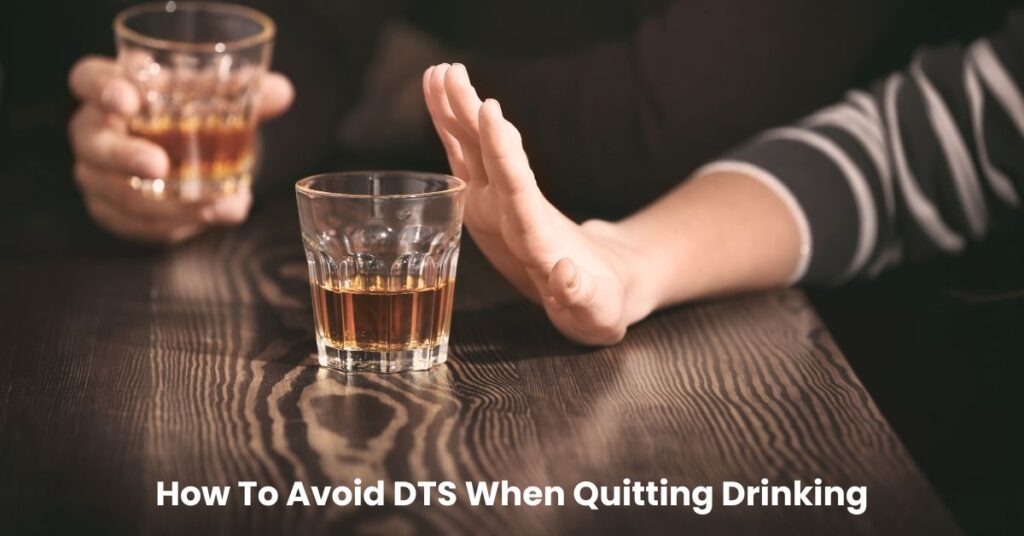
Alcohol withdrawal stays safer when you taper with a clinician, watch symptoms hour by hour, and treat severe signs as a 911-level emergency.
Quitting alcohol can be one of the best choices you make for your health, relationships, and wallet. It can also be one of the few times where “toughing it out” can backfire. If your body is used to steady alcohol, stopping all at once can trigger alcohol withdrawal. In some cases, withdrawal escalates into delirium tremens, often written as DTs. You wrote “DTS,” and people use that shorthand, too.
This page is about one thing: lowering the chance of DTs while you stop drinking. It’s written for people who drink daily or binge hard, and for anyone helping a friend or family member quit. If you’re a light or occasional drinker, DTs are uncommon. If you’ve had withdrawal before, seizures, or DTs, the plan changes fast: get medical care before your last drink.
What DTs are and why they happen
DTs are the most dangerous form of alcohol withdrawal. They combine severe confusion with a body that’s on overdrive. People can become disoriented, agitated, shaky, sweaty, and sleepless. Some see or hear things that aren’t there. Heart rate and blood pressure can spike. Fever can show up. Seizures can occur. Without fast treatment, people can get hurt or die.
Why does this happen? Alcohol slows parts of the brain and nervous system. Over time, your body adapts by pushing the other way. When alcohol disappears, that “push” keeps going. The result is a surge in nervous system activity. DTs are that surge at full volume.
Avoiding dts when you stop drinking: who needs extra caution
DTs don’t strike at random. A few patterns show up again and again. If any of these sound like you, don’t plan a solo quit. Plan a medically supervised stop.
- Daily drinking for months or years, with little time at zero
- High intake, especially spirits or large-volume beer binges
- Past withdrawal that included seizures, hallucinations, or DTs
- Shaking, sweating, or nausea when you wake up and haven’t had a drink yet
- Using sedatives, opioids, or stimulants along with alcohol
| Time window after last drink | Common withdrawal signs | Safer action |
|---|---|---|
| 0–6 hours | Anxiety, mild tremor, headache, stomach upset | Start tracking symptoms and fluids; don’t drive yourself if you feel shaky |
| 6–12 hours | Sweating, fast pulse, irritability, trouble sleeping | Have an adult stay with you; keep phone charged; plan for medical check-in |
| 12–24 hours | Worsening tremor, nausea, vomiting, rising blood pressure | If symptoms are climbing, move care to a clinic or ER; dehydration raises danger |
| 24–48 hours | Seizure risk peaks for some people; confusion can start | Seizure, fainting, chest pain, or confusion = call emergency services |
| 48–72 hours | DTs can begin: delirium, agitation, hallucinations, fever | DT-like signs need emergency treatment, not home care |
| 3–5 days | Some people peak here; sleep is rough; heart rate can stay high | Stay under clinical monitoring if you’ve been severe; keep fluids and nutrition steady |
| 5–7 days | Many physical signs ease; fatigue and mood swings linger | Shift to recovery routines and follow-up care; don’t rush back to heavy work |
| After week 1 | Cravings, poor sleep, anxiety spikes for some people | Build a plan for triggers, sleep, and ongoing care, since relapse raises withdrawal danger |
How To Avoid DTS When Quitting Drinking
The safest way to avoid DTs is to treat withdrawal like a medical problem, not a willpower test. Here’s a practical plan that matches what clinicians do, in plain language.
Start with an honest intake check
Write down what you drink in a typical week: what, how much, and when. Note the time of your last drink. Bring it to a clinician to choose home taper or monitored detox.
Pick the right setting before you cut down
Home taper works only when a clinician okays it and a sober adult can stay with you. Past seizures, DTs, hallucinations, living alone, or no watcher point to monitored detox.
Know what medication can do (and what it can’t)
DTs are treated in hospitals with medications that calm the nervous system, along with fluids and close monitoring. At home, do not self-medicate with leftover sedatives, sleep pills, or someone else’s prescription. Mixing alcohol with sedatives can stop breathing. If a clinician prescribes medication for withdrawal, take it exactly as directed and keep alcohol out of reach.
Use a symptom tracker, not guesswork
Set a timer and log symptoms every 1–2 hours on day one, then every few hours. Track tremor, sweating, nausea, sleep, and confusion. If the trend climbs, shift to medical care.
Hydration and food are part of the safety plan
Sip water or an oral rehydration drink and eat small, bland meals. If vomiting continues or you can’t keep fluids down, go for urgent care. Clinicians often give thiamine during withdrawal.
Get a plan for rapid help
Write down local emergency numbers and the nearest ER. Share the plan with the person staying with you. If you start seeing things, can’t stay oriented, have a seizure, develop a fever, or can’t keep fluids down, treat it as an emergency. Don’t negotiate with yourself.
If you want a plain-language overview of withdrawal signs and when to seek care, the MedlinePlus alcohol withdrawal page is a solid reference for symptoms and medical treatment basics.
Don’t quit alone if you’ve been heavy
DTs can cloud judgment. A sober observer can spot confusion, call for help, and prevent falls. Tell them that hallucinations and disorientation are emergency signs.
Tapering basics that reduce withdrawal strain
Some people hear “taper” and think it means dragging things out. A taper is a short, planned reduction that prevents a sudden drop. It’s not the same as “cutting back whenever.” If you’re drinking enough to worry about DTs, a taper should be built with a clinician who can judge your history and your health.
If you’re tapering, keep the numbers written down. Pre-measure pours, stick to the same drink, and space them out. Chasing a buzz defeats the plan. If tremor, sweating, nausea, or panic jump after a cut, pause and get checked. A clinician can adjust medication, fluids, or move you into monitored care. Keep meals and water steady while you taper.
A safe taper plan tends to follow three ideas: keep the schedule steady, lower the total in small steps, and stop the moment symptoms jump. Many clinicians steer people toward monitored detox instead of a home taper because it’s safer and easier to control. If you do taper at home, avoid switching to a stronger drink “to get it over with.” Keep drink size consistent so you can track true intake.
One more thing: relapse after a short break can make the next withdrawal worse. People call this kindling. It’s one reason the phrase how to avoid dts when quitting drinking also means “how to avoid repeat cycles.” If you’ve quit and restarted many times, bring that up with your clinician.
Red flags that need emergency care
DTs can start after the first day, but severe withdrawal can surge at any point. Use the list below as a safety screen. If you’re not sure, treat it as urgent.
| Red flag | What it can signal | Action now |
|---|---|---|
| Seizure, fainting, or collapse | Severe withdrawal or another medical crisis | Call emergency services; do not try to “sleep it off” |
| Confusion, not knowing where you are, or blank staring | Delirium starting | Go to the ER right away |
| Seeing or hearing things that aren’t there | Hallucinations linked to withdrawal | Emergency evaluation; keep the person safe from falls |
| Fever, severe sweating, shaking that won’t settle | DTs or infection plus withdrawal | Emergency care; bring a list of drinks and last drink time |
| Chest pain, severe shortness of breath, blue lips | Heart or breathing emergency | Call emergency services |
| Uncontrolled vomiting or signs of dehydration | Electrolyte problems and rising withdrawal severity | Urgent care or ER; dehydration can spiral fast |
| Violent agitation or unsafe behavior | Delirium or severe anxiety surge | Emergency care; keep space clear and remove sharp objects |
After the first week: staying steady without sliding back
After acute withdrawal, DTs become far less likely. Sleep can stay uneven. Mood can swing. Cravings can hit out of nowhere.
For help finding local treatment options, the SAMHSA National Helpline lists ways to get referrals in the United States.
Keep next steps simple. Set a bedtime window. Eat regular meals. Add gentle movement like short walks. Skip “one drink” tests, since restarting can set up another withdrawal cycle.
If you need longer-term care, ask your clinician about options like outpatient programs, group meetings, or one-on-one counseling. Medication for alcohol use disorder can also cut cravings for some people. The right choice depends on your health history and what’s available in your area.
A home setup checklist for day 1
This checklist keeps basics within reach so early withdrawal feels less chaotic.
- One sober adult who can stay with you, plus a backup person on call
- Phone charger, fully charged power bank, and emergency numbers written on paper
- Water, oral rehydration drink, broth, easy foods, and a small trash bin near the bed
- Thermometer, basic first-aid items, and a list of your medications and allergies
- Loose clothing, fresh towels, and a plan for showers if sweating is heavy
- Alcohol removed from the home, plus a plan to avoid liquor store runs
- A simple symptom log with times, so you can show patterns to a clinician
If your goal is how to avoid dts when quitting drinking, the checklist has one non-negotiable item: if severe signs start, switch from home care to emergency care right away.
References & Sources
- MedlinePlus (U.S. National Library of Medicine).“Alcohol withdrawal.”Lists withdrawal symptoms, time course, and when medical treatment is used.
- Substance Abuse and Mental Health Services Administration (SAMHSA).“National Helpline.”Referral options for treatment and recovery services in the United States.

Mo Maruf
I created WellFizz to bridge the gap between vague wellness advice and actionable solutions. My mission is simple: to decode the research and give you practical tools you can actually use.
Beyond the data, I am a passionate traveler. I believe that stepping away from the screen to explore new environments is essential for mental clarity and physical vitality.