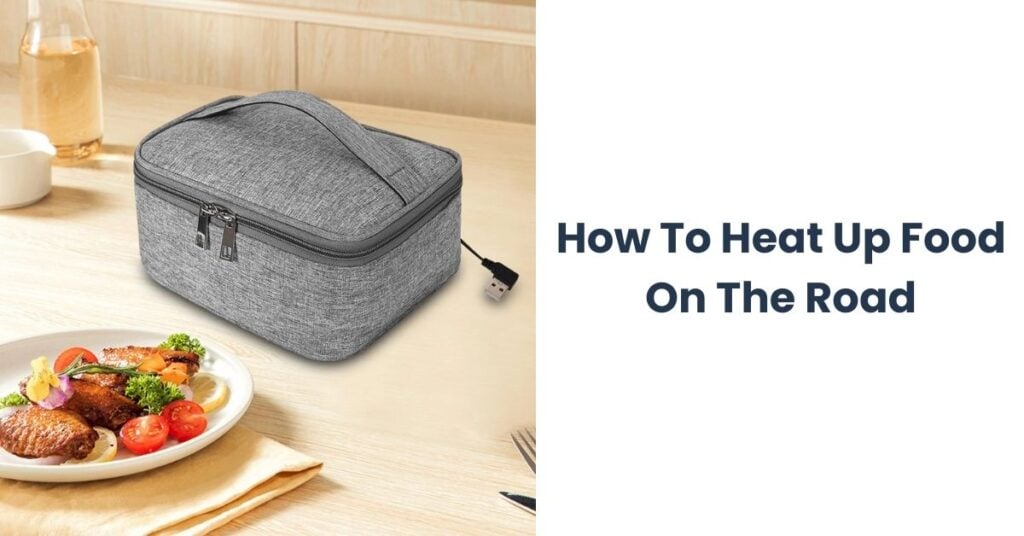
Hot meals away from home are simplest when you pair your food with a heat method you can use anywhere, then reheat until steaming and eat right away.
Road food doesn’t have to mean cold sandwiches or gas-station snacks. With a little planning, you can pull over, warm up a meal, and get back to driving without a mess. The trick is picking a heating method that fits your trip: your power, your time, your parking spots, and what you’re willing to clean.
Once you nail a simple routine, hot meals start feeling normal. You’ll waste less money on random stops, and you’ll feel better after long stretches behind the wheel.
Road Heating Methods At A Glance
| Method | Best Fit | What To Watch |
|---|---|---|
| Insulated food jar (preheated) | Lunch that stays hot for hours | Shines with soups, stews, oats, rice bowls |
| 12V lunch box oven | Drivers with a cigarette-lighter socket | Slow heat; start warming early |
| Portable induction cooktop | Hotels, rentals with a wall outlet | Needs a compatible pan and steady power |
| Room microwave | Hotel-heavy trips | Heat in short bursts; stir for even warmth |
| Butane camp stove | Picnic tables, open-air pullouts | Use outdoors only; keep away from wind |
| Propane stove | Car camping, longer stops | Secure the canister; check local fire rules |
| Electric kettle | Hotels, rest areas with outlets | Great for noodles, oats, instant soups |
| Thermos + boiling water method | Heat-and-soak meals | Best with pre-cooked or quick-cook foods |
| Skillet or pot on a small stove | Fresh reheat with browning | More cleanup than “heat in container” |
How To Heat Up Food On The Road
If you want a repeatable routine, keep it simple: choose one heat source, pick foods that match it, and pack for quick handling. A hot meal is a lot more likely when your steps are the same every time.
Think of it as a small system: storage, heating, eating, cleanup. When one part is messy, the whole plan feels annoying. When each part is easy, you’ll do it again tomorrow without thinking.
Start With Food That Reheats Well
Some meals bounce back after reheating. Others turn rubbery, watery, or dull. When you’re eating in a parking lot, you want food that still tastes good when it’s warmed once and eaten right away.
- Great reheat picks: chili, lentil stew, curry, rice bowls, shredded chicken, meatballs, sautéed veggies, roasted potatoes, pasta with thicker sauces.
- Trickier picks: fried foods, delicate fish, leafy salads, creamy sauces that split, eggs that overcook fast.
If you like meal prep, portion food in flat containers. Flat packs reheat faster and more evenly than a thick brick of food. They also stack better in a cooler.
Pack With Temperature In Mind
When you’re traveling, the risk zone is the stretch where food sits warm, not hot and not cold. The simplest move is to keep cold food cold until you’re ready to heat it, then heat it fast and eat it soon.
Use a cooler with plenty of ice or frozen gel packs, and store raw meat away from ready-to-eat food. If you’re carrying leftovers, chill them fully before they go in the cooler. A warm container will melt your ice and shrink your safe window.
If you want a clear target, this official chart lays out safe minimum internal temperatures: USDA safe minimum internal temperatures chart.
Pick Your Heat Source By Where You Eat
Ask one question before you buy gear: “Where will I eat most of my hot meals?” Your best setup changes a lot between a day trip, a long-haul drive, and a hotel-heavy itinerary.
Car And Truck: Slow, Steady Heating
A 12V lunch box oven is a quiet workhorse. You plug it in, set your sealed container inside, and let it warm while you drive. It won’t blast heat like a microwave, so start early. Think 45–90 minutes for a full meal, less if your portion is thin.
Use containers made for heat. Glass works well. Some units ship with metal pans. Avoid flimsy plastic that can warp and leak, especially when the container is sealed.
Rest Stops And Picnic Areas: Fast Heat With A Stove
If you can step outside, a small butane or propane stove gives you speed. A lidded pot warms soup or pasta quickly. A skillet brings back texture on leftover potatoes or chicken.
Cook outside with plenty of airflow. Keep the flame stable, keep combustibles away, and pack a small windscreen if you’re in an open area.
Hotels: The “Borrowed Kitchen” Approach
Hotels can be a gift for hot meals: many rooms have a microwave, and plenty have a mini fridge. If you’re using a room microwave, cover your food to stop splatters and heat in short bursts, stirring between bursts so the center doesn’t stay cool.
If your room has only a microwave, lean into foods that do fine with steam heat: rice bowls, pasta, stew, oatmeal, and steamed veggies. If you also have a fridge, you can chill cooked food overnight and reheat at breakfast without scrambling for a restaurant.
An electric kettle can also save the day. It handles instant oatmeal, noodles, tea, and cup soups. It’s also handy for preheating an insulated jar when you want hot food later.
Set Up A No-Spill Eating Spot
You don’t need a fancy tray. You need a stable surface, a way to catch drips, and a plan for trash. Keep it boring and practical.
- Base layer: a small towel, a folded sunshade, or a thin cutting board on your lap.
- Drip control: eat from one bowl when you can, not multiple containers.
- Trash: a small bag that seals, plus a second bag for wet wipes and napkins.
When you’re done, close containers before you stand up. That one habit saves a lot of seat stains.
Use A Simple Reheat Checklist
- Keep it sealed until you’re set up. Less exposure, fewer spills.
- Add a splash when needed. Rice, pasta, and shredded meats warm better with a spoon of water or broth.
- Cover while heating. A lid or vented cover traps steam and speeds heating.
- Stir and rotate. This fixes cold centers and hot edges.
- Let it sit one minute. Heat keeps moving inside the food.
- Eat soon. Don’t warm food and then drive another hour before eating.
Heating Food On The Road With Safety In Mind
Food safety on trips is mostly about timing and temperature. You don’t need fancy gadgets, just habits you’ll follow when you’re tired.
Keep Cold Food Cold
Pack your cooler like a mini fridge. Put ice or gel packs on the bottom and sides, then set your food on top. Open the lid as little as you can. When you stop, grab what you need, close it, then handle the rest.
If you want storage timelines for cooked leftovers, this official page lays out refrigeration and storage basics in plain language: FDA food storage and refrigeration guidance.
Reheat Until It’s Steaming Hot
Road reheating often means uneven heat. Microwaves can leave cool pockets. Slow 12V ovens can warm the outside first. Stirring, covering, and giving food a short rest fixes most of that.
If you’re reheating meat, soups, or rice dishes, bring them up to a steady, steaming heat, not just “warm enough.” If you use a food thermometer, aim for the same internal temperature targets you’d use at home.
Don’t Mix Raw And Ready-To-Eat Foods
Raw meat juices can leak even from a good package. Put raw items in a sealed bag, then store them under cooked food in your cooler. Keep a separate cutting board and knife if you’re cooking from raw ingredients on a stove.
Gear That Earns Its Spot In Your Bag
You can heat food with lots of gadgets. The sweet spot is a small kit that works in more than one place, packs clean, and doesn’t turn your trunk into a kitchen drawer.
Core Kit For Most Trips
- Heat-safe container: glass with a locking lid or a stainless food bowl with a lid.
- Insulated food jar: for soups, oats, or rice bowls when you can preheat.
- Spork plus a real spoon: a real spoon beats a flimsy one for chili and oatmeal.
- Small towel: doubles as a potholder and a wipe-down cloth.
- Unscented wipes: fast cleanup for hands and surfaces.
- Trash bags: one for dry trash, one for food scraps.
Power Basics Without The Headache
Most road heating setups run on one of three power sources: your car’s 12V socket, a wall outlet, or stove fuel. Pick one as your “default,” then keep one backup method that needs almost nothing.
If you rely on a 12V oven, test it at home first. Learn how long your usual meal takes to warm. If you rely on hotel microwaves, pack containers that fit in a small microwave and don’t splash.
A backup that saves a lot of trips is an insulated jar. Even if you can’t plug in, you can still eat something hot if you packed it right.
When A 12V Lunch Box Oven Makes Sense
If you drive long stretches, a 12V oven is the set-it-and-forget-it option. It’s also quiet, so you can warm food without attracting attention at a quick stop.
Plan your timing. Put the meal in as you start driving, not when you’re already hungry. Flat portions heat quicker. If you’re warming a frozen meal, give it extra time and check the center before you eat.
When A Stove Wins
A stove gives you speed and better texture. It also lets you boil water for noodles or reheat a pan of leftovers with a bit of browning.
Bring a lighter, a small pot with a lid, and a compact spatula. Pack fuel so it won’t rattle. Cook on a stable surface, keep water nearby, and cool the stove before you store it.
When A Kettle Is The MVP
A kettle is light, simple, and pulls double duty for hot meals and drinks. Pair it with foods that heat by soaking:
- instant oats with dried fruit
- couscous cups
- rice noodles
- miso soup packets
In a pinch, you can pour boiling water into a sturdy container of pre-cooked rice and shredded chicken, cover it, then let it sit a few minutes to warm through.
Meals That Reheat Cleanly In Tight Spaces
On the road, messy meals feel twice as messy. Pick foods you can eat from one bowl and clean with a quick rinse or a wipe.
One-Bowl Meals
- Chili bowl: chili plus tortilla chips on the side.
- Curry rice: curry in one container, rice in another, then mix after heating.
- Veggie pasta: short pasta shapes with a thicker sauce and roasted veg.
Heat-And-Go Breakfasts
- Oat jar: oats, milk, and fruit kept cold, then warmed in a microwave or eaten cold.
- Breakfast burrito filling: potatoes, beans, and cheese reheated, then wrapped.
- Soup breakfast: a light miso soup can hit the spot on a cold morning.
Snacks That Turn Into A Meal
Some days you’ll miss your planned stop. Pack a backup that still feels like food, not candy:
- tuna pouch + crackers + fruit
- hummus cup + pita + sliced cucumbers
- jerky + nuts + an apple
Fixes For Common Road Heating Problems
When reheating goes sideways, it’s usually one of three things: the portion is too thick, the heat is too weak, or the container is fighting you.
Food Heats On The Edges But Stays Cool In The Middle
- Stir halfway through heating.
- Spread the food into a flatter layer.
- Add a spoon of water, then cover.
Food Dries Out
- Add broth, sauce, or a splash of water.
- Heat with a lid on.
- Use lower heat for longer when you can.
Food Tastes Flat After Reheating
Pack “finishers” that wake food up without taking space: salt, pepper, hot sauce, lemon packets, grated cheese, or a small jar of salsa. Add them after heating so they stay bright.
Trip Templates That Keep Hot Meals Easy
You don’t need a new plan every day. Pick a template that matches how you travel, then reuse it until it feels automatic.
Day Trip Template
Bring one insulated food jar meal and one backup snack kit. Eat the hot meal first, then snack later.
Long Drive Template
Use a cooler for cold storage and a 12V oven for reheating. Pack two flat meals and start warming the first meal about an hour before your planned stop.
Hotel Template
Shop once: a bagged salad, a rotisserie chicken, a microwave rice pack, and fruit. Store leftovers in the fridge, then reheat rice and chicken in the microwave for a fast bowl.
If you don’t want to buy a whole bottle of sauce for one night, grab single-serve packets when you can. Soy sauce, hot sauce, and ketchup packets can rescue a plain bowl in seconds.
Heating Plans By Trip Type
| Trip Situation | Go-To Setup | Meal Ideas |
|---|---|---|
| Commute or day outing | Insulated jar + hot water preheat | Oats, soup, chili |
| Long solo drive | Cooler + 12V oven | Rice bowls, pasta, meatballs |
| Family road trip | Cooler + hotel microwave | Burrito filling, mac and cheese, stew |
| Car camping | Stove + pot + skillet | Stir-fry, soup, pancakes |
| Rest-stop meals | Butane stove outdoors | Noodles, sautéed veg, reheated leftovers |
| Flights + hotels | Kettle + shelf-stable cups | Couscous, instant soups, oats |
| Van/RV living | Induction or microwave on inverter | Full meal prep rotation |
How To Heat Up Food On The Road When You Can’t Plug In
Sometimes you’ll be parked with no outlet and no 12V option you can spare. In that case, the cleanest plan is “heat at home, hold hot.” Preheat an insulated jar with boiling water for five minutes, dump the water, then fill it with piping hot food. Thick soups, oatmeal, and rice bowls hold heat best. Eat within a few hours and don’t top it off with cold ingredients that drop the temperature.
Another option is a small stove used outdoors at a pullout. Keep your setup tight: one pot, one spoon, one bowl. Heat fast, eat fast, pack up clean.
How To Heat Up Food On The Road Without Making A Mess
Mess is what makes people give up on hot meals. A few habits fix most of it:
- Use containers with locking lids and a gasket.
- Pack food in one-bowl meals, not a bunch of sides.
- Line your eating spot with a towel, then shake it out later.
- Carry one small bottle of water for rinsing a spoon and bowl.
If you want one sentence to remember, it’s this: how to heat up food on the road gets easy when your food, container, and heat source match.
On the next trip, try one new method, not five. Once you trust your setup, hot meals stop feeling like a project and start feeling normal.
References & Sources
- USDA Food Safety and Inspection Service (FSIS).“Safe Minimum Internal Temperature Chart.”Lists internal temperature targets used to reheat meat, poultry, and leftovers safely.
- U.S. Food and Drug Administration (FDA).“Food Safety: Refrigeration and Storage.”Gives storage time ranges for common foods in a fridge, freezer, or cooler-style setup.

Mo Maruf
I created WellFizz to bridge the gap between vague wellness advice and actionable solutions. My mission is simple: to decode the research and give you practical tools you can actually use.
Beyond the data, I am a passionate traveler. I believe that stepping away from the screen to explore new environments is essential for mental clarity and physical vitality.