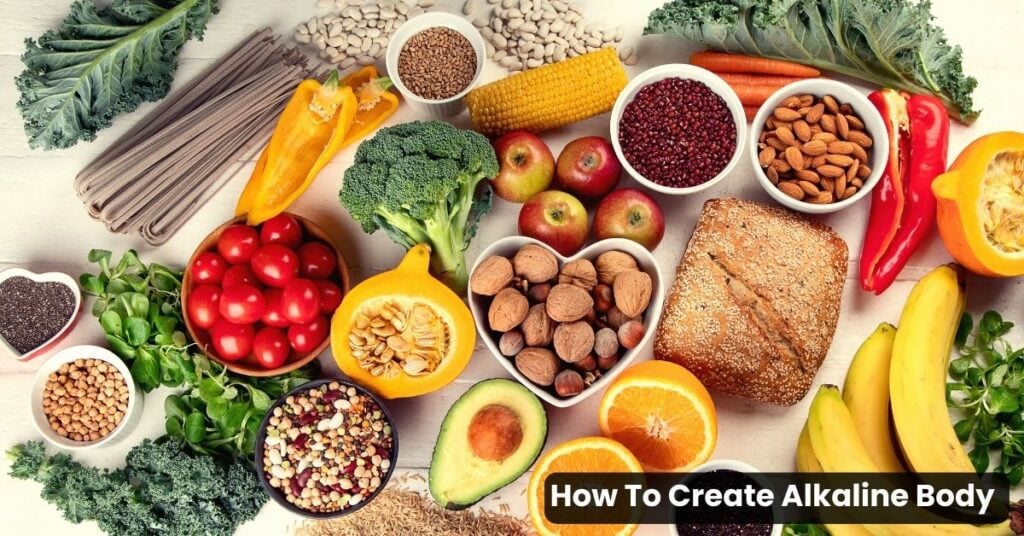
Your blood stays in a tight pH range, so an “alkaline body” plan is about food patterns that tend to raise urine pH and lower dietary acid load.
If you’re searching for how to create alkaline body habits, you’ve probably seen big claims about “acid” foods and disease. A lot of that marketing skips a basic fact: your body keeps blood pH stable minute to minute through your lungs and kidneys. Food choices don’t shift blood pH in a lasting way for most healthy people.
So what can change? Your urine pH and the amount of acid your kidneys process each day. When people feel better on an “alkaline” plan, it’s often because they’re eating more fruits and vegetables, cutting ultra-processed snacks, and drinking more water.
This article keeps the idea practical. You’ll get food moves, a simple routine, and safety notes for cases where a plant-heavy plan needs medical input.
| Body Target | What Changes Day To Day | What You Can Do |
|---|---|---|
| Blood pH | Held in a narrow range by lungs and kidneys | Choose diet quality, not chasing blood pH |
| Urine pH | Shifts with meals, fluids, and timing | More produce and less processed meat can nudge it upward |
| Dietary acid load | Rises with more meat, cheese, refined grains | Swap some animal protein for beans, lentils, tofu |
| Potassium intake | Often rises on a plant-forward plate | Great for many; get clinician advice if you have kidney disease |
| Sodium load | Often high in packaged foods and sauces | Cook more at home; use herbs, citrus, vinegar for flavor |
| Added sugar | Drives energy swings and cravings | Choose fruit, plain yogurt, sparkling water |
| Fiber intake | Rises with beans, vegetables, oats, nuts | Build meals around plants, then add protein |
| Hydration | Affects urine concentration and comfort | Drink water through the day; aim for pale-yellow urine |
How To Create Alkaline Body With Everyday Habits
Let’s set the target you can reach. You’re not trying to force your bloodstream alkaline. You’re building meals that tend to leave less acid for your kidneys to handle, while still giving you enough protein, minerals, and calories to feel steady.
Know What “Alkaline” Means In Real Life
Blood pH is tightly controlled because small shifts can cause real harm. Your lungs adjust carbon dioxide through breathing. Your kidneys adjust bicarbonate and acid excretion over hours and days. That’s why “alkalize your blood with food” claims don’t match basic physiology.
If you want a straightforward explainer from a mainstream medical source, read Harvard Health’s “Do I need to rebalance my pH?”. It lays out why most pH products aren’t needed and what your body already does on its own.
Blood pH And Urine pH Aren’t The Same Thing
Urine is where you’ll see movement. After a high-produce day, urine pH often trends higher. After a day heavy on meat, cheese, and refined grains, urine pH often trends lower. That shift doesn’t mean your blood turned acidic. It means your body processed the byproducts of digestion and metabolism the way it’s designed to.
A Food’s Taste Doesn’t Predict Its Effect
People mix up a food’s own acidity with what happens after digestion. Citrus tastes sharp, yet it can be “alkaline-forming” once metabolized. The more useful mental model is dietary acid load, shaped by minerals like potassium and magnesium and by sulfur-containing amino acids from protein.
Build Meals That Leave Less Acid For Kidneys
Think in swaps, not rigid rules. If your plate is already plant-heavy, you’re close. If your plate is mostly meat and starch, you’ll feel the difference once plants take up more space.
Fill Half Your Plate With Plants
- Use vegetables as the base: greens, broccoli, carrots, squash, mushrooms, peppers.
- Lean on fruit as dessert: berries, oranges, melon, apples.
- Add beans or lentils a few times a week for fiber and minerals.
One habit that sticks: add one extra produce item at lunch and dinner. That’s two small wins a day without any fancy tracking.
Pick Proteins That Keep The Plate Balanced
Animal proteins tend to be more acid-forming than plant proteins. You don’t have to cut them out. You can shift the mix and still eat in a way that feels normal.
- Replace part of ground meat with lentils in tacos or pasta sauce.
- Choose fish or poultry more often than processed meats.
- Use tofu, tempeh, or edamame in stir-fries.
Choose Carbs That Bring Minerals Along
Refined grains don’t bring much potassium or magnesium. Whole grains bring more. Starchy vegetables like potatoes and sweet potatoes also fit well and can make meals feel satisfying.
- Swap white rice for brown rice or quinoa a few nights a week.
- Use oats, whole-grain bread, or barley as staples.
- Try roasted sweet potato cubes in salads and bowls.
Keep Drinks Simple
You don’t need pricey “alkaline water.” Regular water works. If you like fizz, sparkling water is fine. Coffee and tea can fit too, as long as you’re not turning them into dessert in a cup.
- Water: keep a bottle nearby and sip through the day.
- Unsweetened tea: iced or hot, with lemon or mint.
- Milk or fortified soy milk: a steady option for protein and minerals.
Stock A Pantry That Makes The Plan Easy
Most “alkaline” plans fail at 6 p.m., when you’re hungry and the fridge looks empty. A small pantry setup fixes that.
- Canned basics: beans, lentils, tomatoes, tuna or salmon, low-sodium broth.
- Dry goods: oats, brown rice, quinoa, whole-grain pasta, nuts, seeds.
- Flavor helpers: olive oil, vinegar, garlic, ginger, curry powder, smoked paprika.
- Freezer backups: frozen mixed vegetables, spinach, berries, edamame.
With those on hand, “more plants” stops being a project and turns into a normal weeknight meal.
Creating An Alkaline Body Through Meals And Drinks
Now let’s turn the idea into meals you can actually eat. The pattern is simple: more produce, more plant protein, fewer ultra-processed foods, and steady hydration. If you track anything, track your plate and how you feel after meals.
A One-Day Plate Pattern
Breakfast: oats cooked with milk or soy milk, topped with berries and chopped nuts.
Lunch: a big salad with mixed greens, beans, tomatoes, cucumbers, olive oil, plus a side of whole-grain bread.
Dinner: roasted vegetables with tofu or salmon, plus a baked sweet potato.
Snack: fruit and a handful of nuts.
This style of day tends to raise urine pH because it’s rich in potassium-bearing plant foods and lower in processed meat and cheese.
What To Do If You Crave Meat At Every Meal
Cravings are normal. Start by shrinking, not erasing. Keep meat on the plate, then add plants until they take up more space than the meat.
- Double the vegetables in a stir-fry, then cut the meat portion by a third.
- Use beans with meat: chili with half beans, half beef.
- Choose a meatless lunch, keep dinner familiar.
After two weeks, many people notice the craving gets quieter once fiber and hydration rise.
Using Urine pH Strips Without Getting Stuck On The Number
Test strips can be a feedback tool, not a scoreboard. Hydration, timing, and recent meals all move the reading. If you test, pick the same time of day for a week, then stop. Use the result as a nudge to eat more plants, not as proof that your blood changed.
Common Claims That Trip People Up
Some alkaline diet marketing turns a decent idea—eat more plants—into a scare story about “acid.” Keep the science straight, skip the fear, and keep the parts that make daily eating smoother.
| Claim You’ll Hear | What’s More Accurate | What To Do Instead |
|---|---|---|
| “Food can make your blood acidic.” | Blood pH is regulated tightly in healthy people. | Use food choices to lift overall diet quality, not to chase blood pH. |
| “Alkaline water fixes pH.” | Most people don’t need special water. | Drink plain water; add lemon for taste if you like. |
| “Acid foods cause disease.” | Single foods don’t decide outcomes on their own. | Build steady patterns: plants, fiber, fewer sugary drinks. |
| “Citrus is acidic so avoid it.” | Citrus can fit a plant-forward pattern. | Use lemon or orange with meals, unless reflux makes it rough. |
| “Meat is poison.” | Portion and frequency matter. | Shift the mix: more plant protein, less processed meat. |
| “You must avoid all grains.” | Whole grains can fit well. | Choose oats, brown rice, quinoa, whole-grain bread. |
| “Only raw foods count.” | Cooked vegetables still count. | Use frozen and roasted vegetables for convenience. |
When This Approach Needs Extra Care
Plant-forward eating is safe for many people. Still, there are cases where you should slow down and get medical input before making big changes.
- Kidney disease: higher potassium foods can be risky for some people with reduced kidney function. NIDDK has a clear overview here: NIDDK “Healthy eating for adults with chronic kidney disease”.
- Medications that raise potassium: some blood pressure and heart medicines can push potassium up.
- Digestive issues: a sudden jump in beans and raw produce can cause bloating; build fiber up slowly.
If any of those fit you, the “more plants” idea may still work, but portion sizes and food choices should match your situation.
Putting It Together Without Overthinking
Here’s a clean way to practice how to create alkaline body habits without turning meals into math:
- Make half your plate vegetables or fruit most days.
- Eat beans, lentils, tofu, or nuts daily, even in small amounts.
- Keep processed meats as an occasional food.
- Choose water as your main drink.
- Repeat changes you can keep next week.
That’s the whole playbook. You don’t need a gadget, a supplement, or a special bottle of water. You need a pattern you can live with, then keep refining through normal meals.
If you want one last anchor point, remind yourself what “alkaline” means here: a plant-forward eating pattern that tends to raise urine pH, while your body still keeps blood pH in its usual range.
References & Sources
- Harvard Health Publishing.“Do I need to rebalance my pH?”Explains why blood pH stays stable and why pH products are rarely needed.
- National Institute of Diabetes and Digestive and Kidney Diseases (NIDDK).“Healthy eating for adults with chronic kidney disease.”Lists food and beverage tips for people with CKD, including limits that may affect plant-heavy eating.

Mo Maruf
I created WellFizz to bridge the gap between vague wellness advice and actionable solutions. My mission is simple: to decode the research and give you practical tools you can actually use.
Beyond the data, I am a passionate traveler. I believe that stepping away from the screen to explore new environments is essential for mental clarity and physical vitality.