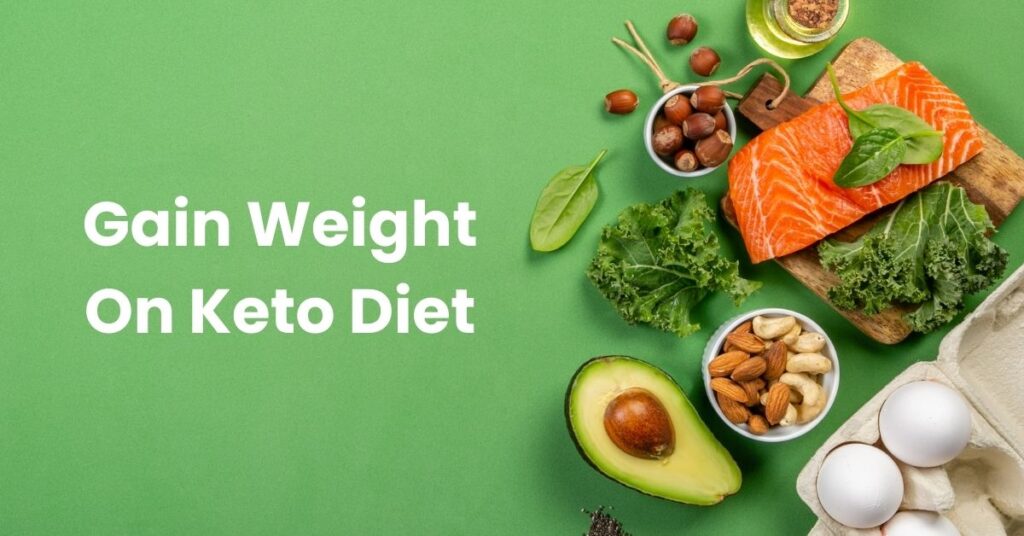
Gaining weight on keto comes down to eating more total calories than you burn while keeping carbs low and training your muscles.
If you’re searching for how to gain weight on keto diet today, you’re already past the hype. You want the scale to climb, your clothes to fit, and your workouts to feel stronger.
Keto can work for weight gain. The catch is that “low carb” often turns into “low calorie” by accident. This article shows how to build a steady calorie surplus, choose foods that make eating enough easier, and train so more gain goes where you want it.
How To Gain Weight On Keto Diet With A Clean Surplus
Weight gain on keto isn’t a mystery. You need a surplus: more energy in than out. Keto just changes the foods you use to get there.
Run a baseline week: eat your usual keto meals, keep your routine the same, and note what you eat. If weight holds steady, you’re near maintenance.
Next, add calories in small steps. A good starting move is +200 to +300 calories per day, then watch the weekly trend. If the scale stays flat after two weeks, add another +150 to +250.
| Lever | What To Do | What You’ll Notice |
|---|---|---|
| Daily calorie target | Add 200–300 calories, hold 14 days, adjust again if needed | Weight trend starts to rise without wild swings |
| Protein floor | Hit a steady protein target each day before adding extra fat | Training feels better; recovery improves |
| Carb limit | Keep net carbs consistent so ketosis stays stable | Fewer cravings; steadier energy through the day |
| Fat as the dial | Use fats to push calories up: oils, sauces, fattier cuts | Meals become more filling and calorie-dense |
| Meal frequency | Move from 2 meals to 3–4 smaller meals if appetite is tight | Eating enough feels easier; less stuffed feeling |
| Liquid calories | Add keto shakes or yogurt bowls when chewing feels hard | Calorie boost with low effort |
| Training stimulus | Lift 3–5 days per week with progressive loads | More muscle gain; body looks fuller |
| Sleep and recovery | Keep a consistent sleep window and rest days | Better gym output; less soreness |
| Tracking method | Weigh daily, use a 7-day average, note salt and hydration | Less confusion from day-to-day water shifts |
Set macros that match weight gain
Macros are the guardrails. They keep keto “keto” while you add calories.
Macronutrient ranges like the Acceptable Macronutrient Distribution Range can keep your targets balanced.
Protein: Set a daily target based on your body size and training. Many lifters land in a range of 1.6–2.2 g per kg of body weight. If you’re new to lifting, start near the lower end and see how you recover.
Carbs: Pick a net-carb cap you can repeat. A common range is 20–50 g net carbs per day, but the right number is the one that keeps your hunger and energy steady.
Fat: Fill the rest of your calories with fat. Fat is the easiest way to create a surplus on keto, since it packs a lot of calories into small portions.
Pick a tracking style you can stick with
You can gain weight without logging each gram, but tracking speeds up the learning curve. Two methods work well.
- Portion tracking: Keep meals repeating, adjust portions up in measured steps.
- Macro tracking: Log meals for 2–3 weeks, find your surplus target, then loosen up once your plan feels steady.
Use a weekly trend. Keto weight can jump after a salty meal or a late dinner, so a 7-day average works better than one weigh-in.
Gaining Weight On A Keto Diet With Measured Meals
Once macros are set, the next hurdle is execution: eating enough each day. This gets easier when meals have a repeatable structure.
Build meals around a simple plate pattern
Use three parts: a protein anchor, a fatty add-on, and a low-carb plant side. Rotate flavors so meals don’t get dull.
- Protein anchor: eggs, beef, chicken thighs, salmon, sardines, tofu, Greek yogurt, whey isolate.
- Fatty add-on: olive oil, avocado oil mayo, butter, cheese, pesto, tahini, nuts.
- Plant side: leafy greens, zucchini, cauliflower, cucumbers, peppers, mushrooms.
Add calories with sauces, oils, and cheese; keep portions measured.
Use calorie-dense snacks that still fit keto
Snacks are where many people miss their surplus. A “keto snack” can be low carb and still too light. Pick options that deliver 300–600 calories without a mountain of food.
- Full-fat Greek yogurt with nut butter and cocoa
- Cheese cubes with olives
- Macadamias or pecans with a protein shake
- Avocado with salt, lime, and a drizzle of olive oil
- Smoked salmon roll-ups with cream cheese
Make one easy “bonus” item automatic
Set one item you eat each day no matter what. It becomes your surplus insurance. A short list that works:
- 2 tablespoons olive oil added to lunch or dinner
- 30–40 g nuts after your first meal
- A yogurt bowl before bed
- A keto shake after training
Link your plan to basic nutrition guidance
Even on keto, food quality still matters. Use the food-pattern ideas from the Dietary Guidelines for Americans to keep meals varied while carbs stay low.
Gaining Weight On Keto Diet When Appetite Is Low
Low appetite is common on keto. Fat and protein are filling, and ketones can blunt hunger. You can still gain weight, but you may need tactics that make eating feel lighter.
Switch to smaller meals, more often
If big meals feel heavy, split them. Three meals plus one snack often beats two huge meals. Keep each meal simple, then repeat it.
Lean on liquids and soft foods
Liquids slide in when chewing feels like work. A shake can add hundreds of calories in minutes.
- Whey isolate, unsweetened almond milk, heavy cream, peanut butter
- Greek yogurt, berries, chia, and a splash of cream
- Cottage cheese blended with cocoa and a sweetener you tolerate
Keep net carbs steady by weighing fruit and choosing lower-carb options like raspberries or strawberries.
Watch fiber and giant salads
A massive salad can crowd out calories. Use smaller portions of vegetables, then add fats and protein to raise total energy.
Salt, hydration, and the scale
Keto shifts water and sodium, so the scale can swing. Track trends, not single weigh-ins.
Training That Turns Extra Calories Into Muscle
If you only eat more, you’ll gain weight. If you eat more and lift, you give your body a reason to build muscle.
Use a simple progressive plan
Pick 4–6 core moves and repeat them. Add a little load, a rep, or a set over time.
- Squat or leg press
- Hip hinge: deadlift or Romanian deadlift
- Press: bench press or dumbbell press
- Row: cable row or dumbbell row
- Overhead press
- Pull-ups or lat pulldown
Train each muscle group 2 times per week when you can. Keep sessions short enough that you recover and keep appetite up.
Keep cardio in its lane
Cardio can be great for conditioning, but too much can erase your surplus. If weight isn’t moving, cap cardio at 2–3 short sessions per week and keep it easy.
| Food | Easy Portion | Best Use |
|---|---|---|
| Olive oil | 1–2 tbsp added to meals | Fast calorie boost without extra volume |
| Nut butter | 2 tbsp | Snack add-on or shake mix-in |
| Whole eggs | 3–4 eggs | Breakfast base with easy add-ons |
| Salmon or sardines | 150–200 g | Protein plus fats with low prep |
| Ground beef (fattier) | 150–200 g cooked | High-calorie lunches and bowls |
| Cheese | 40–60 g | Easy topper for meals and snacks |
| Full-fat Greek yogurt | 200–250 g | Bedtime bowl for extra calories |
| Avocado | 1 medium | Side dish that adds fats and fiber |
Protein timing that feels doable
Spread protein across the day. Two giant hits can work, but three to four servings often feel better on digestion and training.
After lifting, a shake or yogurt bowl is an easy win. It adds protein and calories without a stuffed feeling.
Plateaus: Why The Scale Won’t Budge
When keto weight gain stalls, it’s usually a math issue, not a willpower issue. Use this checklist and adjust one thing at a time.
- You’re under-eating fat: Add 1–2 tablespoons oil to a meal each day for a week.
- Protein crowds out calories: Keep protein steady, then raise calories with fats.
- Hidden carb creep: Track net carbs for a week and tighten portions of nuts, sauces, and dairy.
- Too much activity: Steps, cardio, and long workouts can push burn up. Trim volume, then recheck.
- Water swings mask progress: Use the 7-day average and look at the month trend.
When to get medical eyes on it
If you’re losing weight without trying, feeling weak, or dealing with ongoing stomach issues, get checked by a clinician. Unplanned weight loss can signal an illness that needs care.
Also check in with a clinician before changing to keto if you take glucose-lowering medication, have kidney disease, or are pregnant.
A Simple 14-Day Keto Weight Gain Plan
This is a clean way to put everything into practice without overthinking.
- Days 1–3: Eat your normal keto meals and weigh daily.
- Days 4–14: Add one surplus item each day (oil, nuts, yogurt, or a shake).
- Training: Lift 3–4 days per week. Keep the plan repeatable.
- Check: Use the 7-day average. If it trends up, keep going. If it stays flat, add a second surplus item.
By the end of two weeks you’ll know your direction. That beats guessing.
Circle back to the basics whenever you feel stuck: eat in a measured surplus, keep carbs steady, and lift with intent. If you came here for how to gain weight on keto diet, that trio is the whole playbook.
References & Sources
- USDA and U.S. Department of Health and Human Services (HHS).“Dietary Guidelines for Americans.”Federal food-pattern guidance used here to keep meal choices varied while staying low carb.
- National Library of Medicine (NCBI Bookshelf).“Description of the Acceptable Macronutrient Distribution Range.”Background on macronutrient ranges referenced when setting protein and fat targets.

Mo Maruf
I created WellFizz to bridge the gap between vague wellness advice and actionable solutions. My mission is simple: to decode the research and give you practical tools you can actually use.
Beyond the data, I am a passionate traveler. I believe that stepping away from the screen to explore new environments is essential for mental clarity and physical vitality.