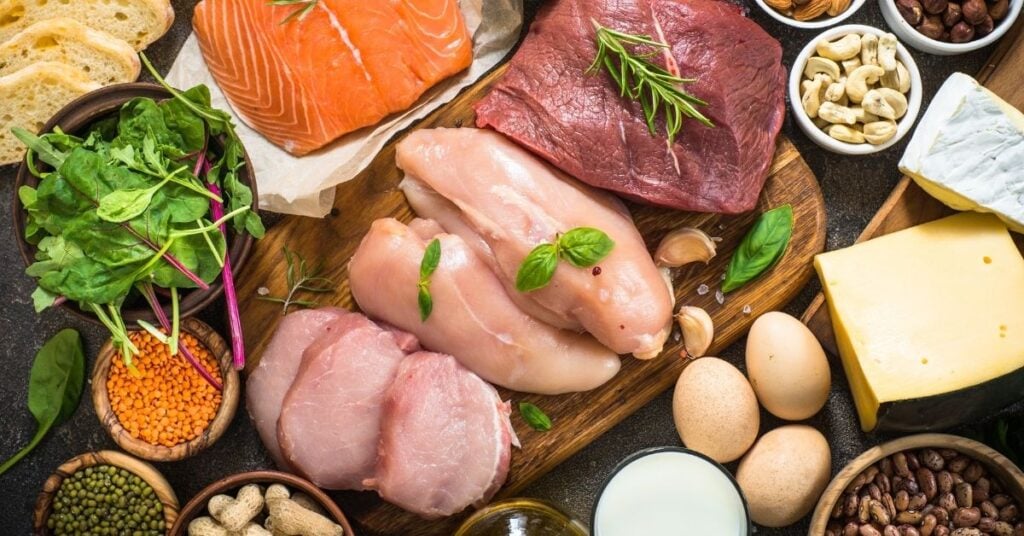
Pescatarians can reach steady protein intake by mixing seafood, eggs, dairy, and plant proteins across meals, then topping up with simple snacks.
If you’re searching for how to get protein as a pescatarian, you’re already halfway there: you eat the easiest high-protein foods on the planet. Fish and shellfish pack a lot of protein per bite, and they cook fast. The rest is planning portions, keeping a few go-to staples, and building meals that don’t feel repetitive.
This article gives you a clear way to hit a daily protein target, plus a food list, meal formulas, and a short menu you can copy. No gimmicks. Just food you can buy at a normal grocery store.
| Protein source | Typical serving | Protein (g) |
|---|---|---|
| Salmon (cooked) | 3 oz / 85 g | ~22 |
| Tuna (canned, drained) | 3 oz / 85 g | ~20 |
| Sardines (canned) | 1 small can | ~23 |
| Shrimp (cooked) | 3 oz / 85 g | ~20 |
| Greek yogurt (plain) | 170 g tub | ~17 |
| Cottage cheese | 1/2 cup | ~13 |
| Eggs | 2 large | ~12 |
| Edamame | 1 cup | ~17 |
| Tofu (firm) | 150 g | ~18 |
| Lentils (cooked) | 1 cup | ~18 |
Protein targets that feel doable
Most people do best with a target they can picture at meals. A common baseline for adults is about 0.8 grams of protein per kilogram of body weight per day, with higher needs for some people based on activity, age, or goals. The MedlinePlus page on protein in the diet lays out that baseline in plain language.
Rather than chasing a perfect number, set a range. Then spread it out. Many pescatarians find it easier to hit the mark with three meals that each carry a real protein anchor, plus one snack that adds another bump.
Quick way to set your daily range
- Step 1: Write your body weight in kilograms (lbs ÷ 2.2).
- Step 2: Multiply by 0.8 for a baseline daily grams target.
- Step 3: If you train hard or want more muscle, use a higher range like 1.2–1.6 g/kg, split across meals.
If you have a medical condition that changes protein limits, follow your clinician’s plan.
How To Get Protein As A Pescatarian : a simple day template
The easiest way to hit protein is to treat it like a meal component, not a mystery. Build each meal with one “anchor” plus one “booster.” Your anchor is the main protein item. Your booster is a smaller add-on that raises the total without extra cooking.
Breakfast template
Anchor: Greek yogurt, eggs, or tofu scramble. Booster: chia, hemp hearts, cottage cheese, or a glass of milk.
- Greek yogurt bowl: yogurt + berries + oats + a spoon of nut butter.
- Egg toast plate: 2 eggs + toast + sliced tomato + a side of yogurt.
- Tofu scramble: tofu + spinach + salsa, with edamame on the side.
Lunch template
Anchor: canned fish, leftover seafood, or a bean-and-grain bowl. Booster: cheese, edamame, or a quick dip like hummus.
- Tuna salad wrap with cucumbers and a side of fruit.
- Sardine toast with lemon, plus a cup of soup.
- Lentil bowl with rice, greens, and a fried egg on top.
Dinner template
Anchor: fish, shrimp, scallops, or tofu. Booster: beans, yogurt sauce, or a second small seafood portion.
- Sheet-pan salmon with potatoes and broccoli.
- Shrimp stir-fry with frozen veg and noodles.
- Tofu curry with chickpeas and rice.
Snack template
Use snacks to “top up,” not to fill a gap with random bites. Aim for 10–20 grams.
- Greek yogurt tub with cinnamon.
- Cottage cheese with pineapple or tomatoes.
- Edamame with salt and chili flakes.
- Smoked salmon on crackers.
If you like smoothies, a scoop of whey, soy, or pea protein can turn a light breakfast into a real one. Check the label for added sugar and allergens, and treat it as a food helper, not a meal replacement.
Ready-to-drink shakes work too when you’re stuck in transit. Pair one with fruit or a sandwich so you still eat a normal meal later.
Getting protein as a pescatarian with low-prep staples
You don’t need fancy recipes. You need a short list of items that keep well, taste good, and pair with almost anything. When your fridge is stocked with two seafood options and two plant or dairy options, protein shows up on the plate without effort.
Seafood picks that cook fast
Frozen shrimp thaws in minutes and works in pasta, tacos, rice bowls, and salads. Frozen fish fillets bake straight from the freezer on a sheet pan. Canned fish is lunch insurance on days that blow up your plan.
When you buy canned fish, read labels for sodium. If you’re watching mercury exposure, rotate choices: salmon, sardines, trout, and light tuna tend to be lower than big predatory fish.
Plant and dairy anchors that carry meals
Tofu and tempeh take on any seasoning. Press tofu once, then cook extra portions so you can toss it into salads and noodles later. Lentils cook fast and work in soups, salads, and tacos. Greek yogurt pulls double duty: breakfast base, sauce base, and snack.
For a simple rule, keep one “cold protein” ready to eat (yogurt, cottage cheese, canned fish) and one “hot protein” ready to cook (shrimp, tofu, fish fillets).
Carbs and veg that make protein feel like a meal
Protein sticks when the rest of the plate is easy. Frozen veg, bagged greens, microwave rice, and potatoes turn a fillet or tofu into dinner in the time it takes to preheat the oven.
The MyPlate protein foods guidance can help you balance seafood with beans, peas, eggs, and dairy over the week.
Portion cues that stop guesswork
Portions are where many pescatarians miss their target. The food choices are fine, yet servings are small. A salad with “some” shrimp and a sprinkle of cheese can land far under your plan.
Use these plate cues
- Cooked fish: a palm-size piece is often close to 20–25 g.
- Shrimp or scallops: a heaped handful often lands near 20 g.
- Greek yogurt: one single-serve tub is often 15–20 g.
- Beans and lentils: one cup cooked often lands near the high-teens.
If you track, do it for a week, not forever. Use it to learn your “usual” portions, then cook by feel after that.
Meal combos that add up fast
When you’re short on time, build meals from repeatable combos. These pairings keep shopping simple and keep your intake steady.
| Meal type | Anchor + booster | Easy combo |
|---|---|---|
| Breakfast | Greek yogurt + hemp hearts | Yogurt bowl with oats and fruit |
| Breakfast | Eggs + cottage cheese | Egg toast with a side cup of cottage cheese |
| Lunch | Canned tuna + beans | Tuna-bean salad with olive oil and lemon |
| Lunch | Sardines + yogurt | Sardine toast with yogurt-dill sauce |
| Dinner | Salmon + lentils | Salmon with warm lentil salad |
| Dinner | Shrimp + edamame | Shrimp stir-fry over rice with edamame |
| Snack | Smoked salmon + crackers | Salmon crackers with sliced cucumber |
| Snack | Greek yogurt + nuts | Yogurt with cinnamon and walnuts |
Common protein snags for pescatarians
Most problems aren’t about “not knowing what to eat.” They come from tiny habits that shave protein off the day. Fix the habit, and your totals rise without extra cooking.
Snag: relying on seafood only at dinner
Dinner is one meal. If lunch is mostly carbs and veg, you’re asking dinner to do all the work. Put a fish, egg, tofu, or dairy anchor into lunch, even if it’s a simple canned-fish sandwich.
Snag: grazing on low-protein snacks
Chips, fruit, and crackers have their place, yet they don’t move your protein total. Swap one snack per day for a yogurt tub, cottage cheese, edamame, or smoked salmon.
Snag: choosing “light” portions by habit
Some people stop eating the moment the plate looks tidy. If your goal includes strength or muscle, tidy plates can miss the mark. Add a booster: extra shrimp, a side of beans, or a second egg.
Three-day menu you can copy
This menu shows how protein can land across the day without turning every meal into a project. Swap seafood types based on price and taste.
Day 1
- Breakfast: Greek yogurt bowl with oats, berries, and hemp hearts.
- Lunch: Tuna-bean salad over greens with olive oil and lemon.
- Dinner: Sheet-pan salmon with potatoes and broccoli.
- Snack: Cottage cheese with sliced tomato and pepper.
Day 2
- Breakfast: Two eggs on toast with a side of yogurt.
- Lunch: Lentil soup with a side of sardine toast.
- Dinner: Shrimp stir-fry with frozen veg and rice.
- Snack: Edamame with chili flakes and salt.
Day 3
- Breakfast: Tofu scramble with salsa and a side of fruit.
- Lunch: Salmon salad bowl with rice, cucumber, and yogurt-lemon dressing.
- Dinner: Tofu curry with chickpeas and spinach.
- Snack: Smoked salmon on crackers with cucumber.
Shopping and prep that keeps you on track
Protein gets easy when you do one small reset each week. Buy anchors, buy boosters, then buy the fillers that make meals taste like meals.
Build a simple cart
- Anchors: salmon fillets, shrimp, canned tuna or sardines, tofu.
- Boosters: Greek yogurt, cottage cheese, eggs, edamame.
- Meal fillers: microwave rice, potatoes, frozen veg, bagged greens, salsa, lemons.
If prices jump, swap in eggs, tofu, and beans for a week, then rotate back.
Prep in 45 minutes
- Cook a tray of salmon or tofu for leftovers.
- Boil a pot of lentils or open a few cans and portion them in containers.
- Wash greens, slice cucumbers, and stash quick toppings like lemon wedges.
- Put snack proteins at eye level in the fridge so you grab them first.
Protein variety that stays tasty
Variety comes from sauces and textures. Keep two sauces in rotation, and change one element at a time.
- Go bright: lemon, dill, yogurt, capers.
- Go spicy: chili paste, soy sauce, ginger.
- Go cozy: curry powder, coconut milk, peas.
If you keep the anchor steady and swap the seasoning, your meals stay familiar while your palate stays happy. That’s the quiet trick behind how to get protein as a pescatarian in real life.
References & Sources
- MedlinePlus (NIH).“Protein in diet.”Baseline protein intake guidance and practical notes on dietary protein.
- MyPlate (USDA).“Protein Foods.”Overview of protein food choices and ways to balance protein sources over the week.

Mo Maruf
I created WellFizz to bridge the gap between vague wellness advice and actionable solutions. My mission is simple: to decode the research and give you practical tools you can actually use.
Beyond the data, I am a passionate traveler. I believe that stepping away from the screen to explore new environments is essential for mental clarity and physical vitality.