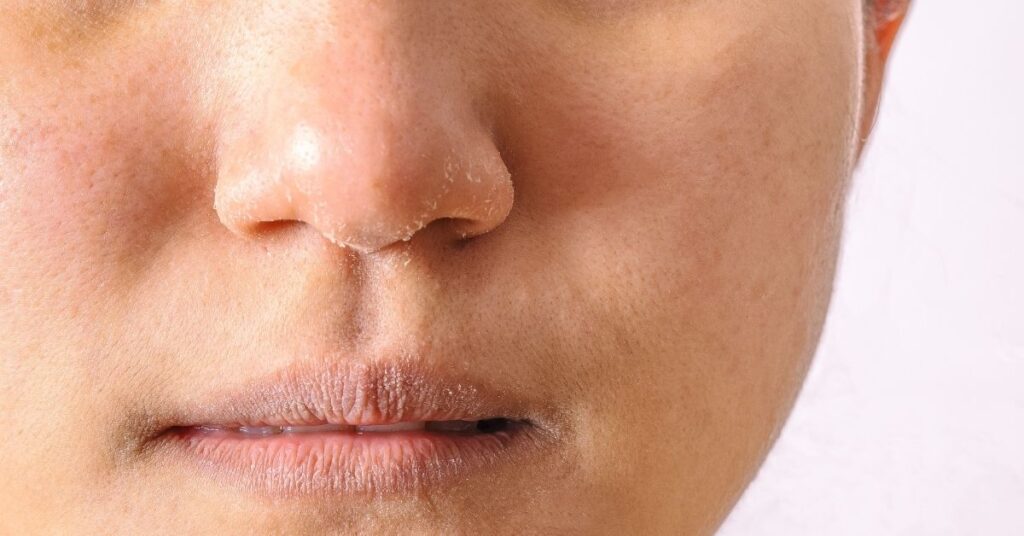
Super-dry skin gets better when you seal in water fast, swap harsh cleansers, and stick to a simple ointment-or-cream routine.
Super dry skin can feel like your face is two sizes too small. Your hands catch on fabric. Your legs look ashy, then sting when you scratch. The goal is simple: stop water loss, add water back, and keep irritants off the surface long enough for the barrier to settle down.
This article lays out a practical plan you can start today. You’ll see how to spot triggers and build a day-and-night routine. If your skin is cracking, bleeding, or rashy, you’ll see signs that call for a clinician.
Fast Checks That Change What You Do Next
Dry skin isn’t one thing. “Dry” can mean low oil, low water, a damaged barrier, or a skin condition such as eczema. These quick checks help you choose the next step instead of guessing.
| What You Notice | Common Reason | First Move |
|---|---|---|
| Tightness right after washing | Cleanser strips skin oils | Switch to a gentle, fragrance-free wash and shorten wash time |
| Flakes that return within hours | Water evaporates fast from the surface | Apply moisturizer on damp skin within 3 minutes |
| Stinging when you moisturize | Barrier is irritated or cracked | Use a plain ointment or thick cream; skip acids and strong actives |
| Cracks on hands or heels | Friction plus low moisture | Use ointment at night and cover with cotton socks or gloves |
| Red, itchy patches that come and go | Eczema or contact reaction | Stop new products, use bland emollient, and track exposures |
| Rough bumps on arms or thighs | Keratin plugs with dryness | Try a gentle lotion with urea or lactic acid only after stinging stops |
| Dryness worse in winter or after travel | Low indoor air moisture and hotter showers | Use lukewarm water and moisturize more often during the day |
| Scaling on scalp, brows, or sides of nose | Seborrheic dermatitis | Use an anti-dandruff shampoo and treat face skin gently |
What To Do About Super Dry Skin?
When people ask what to do about super dry skin?, they usually want relief fast, plus a plan that stops the cycle. Start with the “protect and seal” steps below for seven days. Then adjust based on how your skin behaves.
Step 1: Wash Less, Wash Smarter
Water alone can dry you out if you stay under it long enough. Hot water is worse. Keep showers to about 5–10 minutes, use lukewarm water, and skip scrubbing tools that sand your skin.
Pick a gentle cleanser that rinses clean without a strong lather. If a product leaves your skin squeaky, it’s doing too much. Use cleanser only where you need it: underarms, groin, feet, and visibly dirty areas.
Step 2: Moisturize On Damp Skin, Every Time
Pat yourself dry so skin is still damp, then apply moisturizer right away. Dermatologists stress this timing because it traps water where you need it. See the AAD dry-skin relief tips for the same “apply right after bathing” idea.
Use more product than you think. For legs and arms, a palm-full isn’t unusual. Rub with light pressure in the direction hair grows. If you feel drag, add more.
Step 3: Pick The Right Texture For The Job
Lotions feel light, but they can vanish fast on super dry skin. Creams last longer. Ointments last the longest because they form a barrier that slows water loss. If your skin stings, start with a simple ointment or thick cream and keep it boring for a week.
For daytime, you can step down to a cream if the shine of ointment bothers you. At night, go heavier. For hands, a greasy layer is normal. It’s therapy, not fashion.
Step 4: Remove “Silent” Irritants
Dry skin hates friction and fragrance. Swap to fragrance-free laundry detergent. Skip dryer sheets. Wear soft, breathable fabrics next to skin. For hands, use gloves for dishwashing and cleaning.
Check your products for alcohol-heavy formulas, strong exfoliants, or multiple actives stacked together. If you’re using retinoids or acne products, pause them for a few days. Get the barrier calm, then bring actives back slowly.
Super Dry Skin Plan With Day And Night Steps
A routine works when it’s simple enough to repeat. This plan fits most adults with super dry skin on face or body. If you have a known skin condition, follow your clinician’s plan first.
Morning Routine
- Rinse with lukewarm water or use a gentle cleanser only where needed.
- Apply a thick cream to damp skin. Put ointment on cracked spots.
- Use sunscreen on exposed areas.
Midday Reset For Hands And Face
Hands get washed a lot, so they dry out first. Keep a small tube of cream at every sink. After each wash, apply a pea-to-dime size amount. For face, press a thin layer of cream onto cheeks and around the mouth if those areas feel tight.
Night Routine
- Cleanse gently, then rinse well. Pat dry.
- Apply a thick cream to the whole area.
- Seal cracked spots with ointment. Cover hands or feet with cotton gloves or socks.
When You Need More Than A Moisturizer
If itch and redness keep returning, dryness may be riding along with eczema or a contact reaction. Emollients are a mainstay for these problems. The NHS emollients guidance explains how often to apply them and why frequent use helps.
If your skin is weeping, crusting, warm, or painful, get medical care. Those can be signs of infection. If you need topical steroids or prescription creams, a clinician can match the strength and schedule to your skin.
Moisturizer Ingredients That Earn Their Spot
You don’t need a long ingredient list. You need three types of helpers working together: humectants that pull water in, emollients that smooth rough edges, and occlusives that slow water loss. Many products mix all three.
Humectants For Water
Glycerin and hyaluronic acid help hold water in the outer layer. Urea can do double duty: it hydrates and softens scale. If your skin burns when you apply product, stick to glycerin-based creams first, then try urea later.
Emollients For Roughness
Ceramides, fatty acids, and cholesterol help patch the barrier. They don’t work like a bandage, but they can make skin feel smoother and less tight over time.
Occlusives For Cracks And Flakes
Petrolatum is the classic occlusive. Dimethicone is another option with less shine. For split knuckles or heel cracks, an occlusive layer at night can change things fast.
Texture And Product Pick Cheat Sheet
Use this table to match the problem area to the product feel. The right texture often matters more than the brand name.
| Area | Best Texture | Notes |
|---|---|---|
| Hands with cracks | Ointment | Reapply after washing; gloves at night help keep it in place |
| Face that stings | Thick cream | Skip acids and fragranced products until calm |
| Legs with scale | Cream or balm | Apply on damp skin; don’t wait for full dry-down after shower |
| Heels with fissures | Ointment plus sock | Soak briefly, pat dry, then seal; repeat nightly |
| Dry, itchy patches | Cream with ceramides | If patches spread or ooze, get medical care |
| Rough bumps | Lotion with urea | Start after stinging is gone; use 2–3 nights a week |
| Under makeup | Cream | Let it sit 10 minutes, then apply makeup with a light hand |
Habits That Keep Super Dry Skin From Coming Back
The best routine is the one you’ll do on boring days. These habits keep the barrier steady and make flare-ups less frequent.
Use Less Heat And Less Soap
Space heaters, hot showers, and frequent bubble baths dry the surface. Aim for warm water, short washes, and mild cleansers. If you love baths, add an emollient bath additive or apply cream the second you step out.
Control Friction
Pat skin dry. Skip harsh scrubs. For shaving, use a slippery shave cream and shave at the end of the shower when hair is soft. Then moisturize right away.
Protect Hands Like They’re A Separate Project
If you wash dishes, handle cleaning sprays, or work with paper all day, hands take a beating. Keep gloves by the sink. Put a thick cream on after each wash. If your hands crack, treat them at night with ointment and cotton gloves.
Add Moisture To Indoor Air When Heat Is Running
Indoor air can get dry when heaters run for hours. A small humidifier in the bedroom can reduce overnight tightness. Clean it as the manual says, and keep the goal modest, not fog-level.
Reintroduce Actives One At A Time
Once stinging is gone for a few days, bring back one active product at a time. Use it every third night at first. If dryness flares, stop and return to the basic routine for a week.
Know The Red Flags
Super dry skin can be a symptom, not just a nuisance. See a clinician soon if you have cracks that bleed often, rash that spreads, swelling, pus, fever, or pain. Also get checked if dryness starts suddenly with no clear trigger, or if you have weight loss, constant thirst, or new fatigue along with skin changes.
Seven-Day Reset You Can Start Tonight
If you feel stuck, run this simple reset for a week. It answers the question what to do about super dry skin? with actions you can repeat.
- Switch to lukewarm showers, 5–10 minutes.
- Use a gentle, fragrance-free cleanser on needed areas only.
- Moisturize within 3 minutes of washing, morning and night.
- Use cream in the day and ointment on cracks at night.
- Pause strong actives and scrubs until stinging stops.
- Wear gloves for wet work and apply hand cream after each wash.
- Track what makes things worse: new products, new detergents, more washing, more heat.
After seven days, you should feel less tightness and see fewer flakes. If you don’t, or if symptoms are getting worse, it’s time for a clinical check. Dry skin often improves with routine changes and moisturizers, but persistent cases can signal dermatitis, infection, or another cause that needs targeted care.
References & Sources
- American Academy of Dermatology (AAD).“Dermatologists’ Top Tips For Relieving Dry Skin.”Practical care steps such as moisturizing right after bathing and using gentle cleansers.
- NHS.“Emollients.”How and when to apply emollients for dry, irritated skin.

Mo Maruf
I created WellFizz to bridge the gap between vague wellness advice and actionable solutions. My mission is simple: to decode the research and give you practical tools you can actually use.
Beyond the data, I am a passionate traveler. I believe that stepping away from the screen to explore new environments is essential for mental clarity and physical vitality.