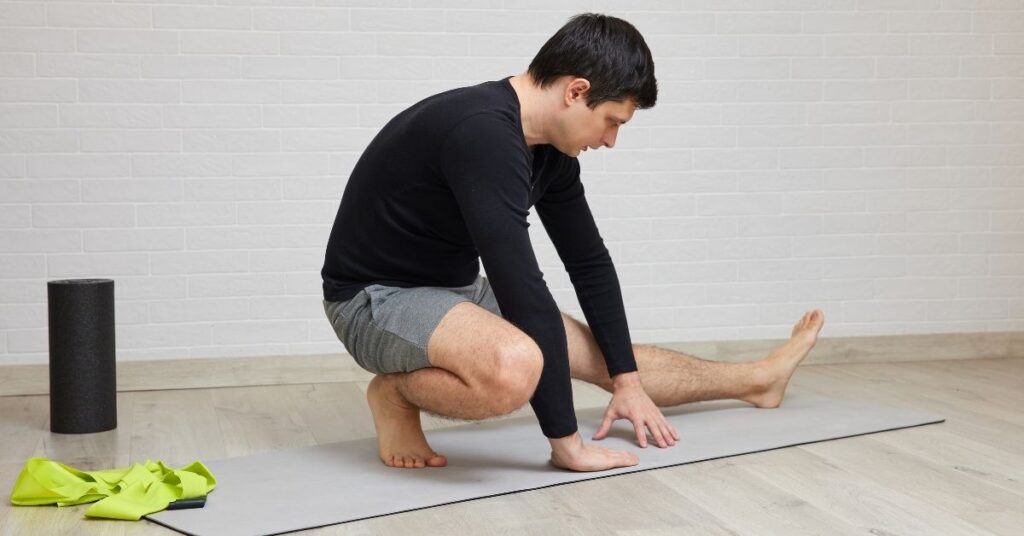
Thigh size drops when overall body fat drops, paired with leg strength work and steady weekly movement.
If you’ve typed “how to lose your thighs” into a search bar, you want results you can see and measure. Thighs are both a fat-storage area and a powerhouse muscle group.
This page gives you a repeatable approach: food choices that create a steady deficit, training that keeps legs firm, and tracking that shows real change.
What Shrinks Thigh Measurements And What Doesn’t
Thigh circumference changes for two main reasons: body fat changes and muscle shape changes. You can train a muscle, yet you can’t choose where fat leaves first. Your body sets that order based on genetics and how lean you already are.
Fat loss shrinks overall size. Lower-body training keeps muscle so legs look tighter as fat drops.
| Lever | What It Changes | What To Do This Week |
|---|---|---|
| Calorie intake | Drives fat loss when intake stays below expenditure | Remove one high-calorie add-on per day (sweet drink, snack, extra oil) |
| Protein at meals | Helps keep muscle while you lose fat | Add a palm-sized protein to breakfast and lunch |
| Fiber and volume | Makes the deficit feel easier by keeping meals filling | Add a bowl of vegetables or fruit to two meals |
| Daily steps | Raises weekly burn without crushing fatigue | Add 1,500–3,000 steps on 4 days |
| Strength training | Shapes quads, hamstrings, glutes; keeps legs firm | Do 2 lower-body sessions with squats and hinges |
| Cardio pace | Builds fitness and helps you sustain a deficit | Add 1 brisk walk with hills or short bursts |
| Salt and carbs | Shifts water retention that can change tape measures fast | Keep salty foods and carb portions steady for 7 days |
| Sleep routine | Changes hunger, recovery, and water swings | Lock in a wake time you can keep on weekdays |
| Tracking method | Stops you from chasing noise | Measure thigh circumference weekly, same stance and time |
How To Lose Your Thighs With A Plan You Can Repeat
If you only change one thing, set up a small deficit you can live with. A plan that feels “easy enough” beats a plan you quit in ten days. Your thighs change when you stick with the basics long enough.
Set A Deficit Without Guesswork
Track what you normally eat for three days. Next, trim 250–400 calories per day by removing the easiest extras: liquid calories, big snack portions, takeout add-ons, or late-night grazing.
If you prefer an estimate, the NIDDK Body Weight Planner can help you map a calorie-and-activity target using your stats and timeline.
Build Meals That Leave You Satisfied
Many people stall because hunger turns the plan into a daily fight. You can reduce that by building meals around three anchors:
- Protein: eggs, yogurt, tofu, fish, chicken, beans, lean meat.
- High-volume plants: vegetables, fruit, soup, salads, legumes.
- Smart carbs: potatoes, rice, oats, whole grains, fruit, timed around training.
Keep oils, sauces, nuts, and cheese in check. They’re dense, so a small “extra” can wipe out your deficit without you noticing.
Use A Plate Rule On Busy Days
When you don’t want to count, use a simple plate split: half vegetables or fruit, a quarter protein, a quarter carbs. On strength days, nudge carbs up a bit.
How To Lose Thigh Fat And Keep It Off
Food sets the direction. Movement makes it easier to stay the course. Pick a weekly baseline you can repeat.
Hit A Weekly Movement Floor
For general health, the CDC lists at least 150 minutes of moderate-intensity activity per week plus two days of muscle-strengthening work. The CDC adult activity guidelines break that down with plain examples.
For thigh changes, pick one “floor” and stick with it for four weeks before you judge results:
- 8,000–10,000 steps per day average, plus 2 strength sessions.
- 30 minutes brisk walking on 5 days, plus 2 strength sessions.
- 3 cardio sessions (20–40 minutes) plus 2 strength sessions, with extra steps on off days.
Choose Cardio That Fits Your Joints
Walking works because it’s repeatable. For more bite, add hills or short bursts. Cycling, rowing, swimming, and incline treadmill work can also fit well if running irritates your knees.
Keep one session easy and one session harder. The mix builds fitness without crushing recovery.
Strength Training That Shapes Legs Without Bulking Them Up
“Bulky thighs” is a common fear. For most people, leg training mainly adds firmness: muscles sit better under the skin, and thighs often measure smaller as body fat drops.
Pick Four Lower-Body Patterns
Train these patterns and you’ll hit the muscles that change thigh shape: squats, hinges, lunges, and hip abduction. Start light, then add load once form feels steady.
Squat Pattern
Options: goblet squat, bodyweight squat, leg press.
Hinge Pattern
Options: Romanian deadlift, hip thrust, glute bridge. Feel hamstrings and glutes working, not your low back.
Lunge Pattern
Options: split squat, reverse lunge, step-ups.
Abduction Pattern
Options: side-lying leg raise, band walks, cable abductions.
Use Rep Targets That Keep Form Clean
Do 2–4 sets per exercise. Use 6–12 reps for main lifts and 12–20 for accessories.
Two Sample Lower-Body Days
- Day A: Goblet squat, Romanian deadlift, reverse lunge, band walks.
- Day B: Leg press, hip thrust, step-ups, side-lying leg raise.
Train upper body too. It keeps the plan balanced.
Cardio Tweaks That Speed The Visual Change
Cardio won’t melt fat from one spot, yet it can raise your weekly deficit and improve how your legs feel. The easiest lever is pace: walk faster, add hills, or reduce rest.
Try One Interval Session Per Week
Here’s a simple session that challenges you without wrecking recovery:
- Warm up 5–8 minutes easy.
- Do 8 rounds: 30 seconds hard, 90 seconds easy.
- Cool down 5 minutes.
“Hard” can be brisk uphill walking, cycling, rowing, or jogging. Keep the structure the same for a month.
Food Details That Matter For Thighs
Food choices affect hunger, water swings, and training quality. These details keep you steady.
Reduce Calorie Creep
Most plateaus come from small extras: bites while cooking, fancy coffee drinks, “healthy” snacks that add up, or bigger weekend portions. Pick one category and tighten it. Don’t tighten everything at once.
Keep Sodium And Carbs Steady While Tracking
Salt and carb swings can change water retention in your legs. If your tape measure jumps up overnight, that’s usually water, not fat. Keep salty foods and carb portions steady for a week when you’re judging progress.
Plan Protein Around Training
Eat protein at each meal, and add a serving after training if your next meal is hours away. This helps recovery, keeps you full, and makes strength sessions feel better.
Four-Week Starter Schedule
This is a template you can run on repeat. Adjust exercises to what you can do pain-free.
| Week | Training | Daily Habits |
|---|---|---|
| 1 | 2 strength days + 3 easy walks (20–30 min) | Track food 3 days, set a small deficit, hit 7,000+ steps |
| 2 | 2 strength days + 1 interval session + 2 easy walks | Protein at 3 meals, keep weekend portions steady |
| 3 | 2 strength days + 1 longer walk (40–60 min) + 1 easy walk | Add 1,500 steps on 3 days, tighten one snack habit |
| 4 | 2 strength days + 1 interval session + 2 easy walks | Measure thighs once, take photos once, adjust one lever only if needed |
How To Lose Your Thighs Without Guessing If It’s Working
Progress feels slow when you judge it day by day. Use a few checks that reduce noise, then let the plan run.
Measure The Same Way Every Time
Pick a spot, usually the thickest part of the thigh. Stand relaxed, tape flat but not digging in. Measure once per week, same time of day.
Use Two Photos, Same Setup
Take front and side photos every 2–4 weeks. Same shorts, same room, same distance. Your eyes catch shape changes a scale misses.
Track Strength Or Reps
If your squat, hinge, or lunge numbers rise while your waist and thigh measurements drift down, you’re on track. That’s fat loss with muscle kept.
Common Sticking Points And Fixes
Thighs Feel Bigger After Starting Workouts
Early on, trained muscles can hold more water and stored carbs. Measurements can rise for a week or two. Keep food steady, then recheck after three weeks.
Inner Thighs Lag Behind
Inner thigh fat can be stubborn. Stay patient with the deficit, keep training lunges and squats, and add light adductor work if it feels good.
Knees Hurt During Lunges Or Squats
Shorten your range, slow the tempo, and switch to reverse lunges or step-ups. If pain sticks around, talk with a clinician before you load that pattern heavily.
Diet Feels Too Hard To Stick With
Make the deficit smaller. Add steps instead of cutting more food. Keep meals you like on rotation.
A Simple Checklist You Can Save
- Set a small daily deficit and keep it steady for 14 days.
- Hit 2 lower-body strength sessions each week.
- Add steps until your weekly average rises.
- Keep one cardio session harder and the rest easy.
- Measure thighs weekly, photos monthly, strength weekly.
- Adjust one lever at a time, then give it 2 weeks.
If you’re still wondering how to lose your thighs, pick the smallest change you can keep, then stack the next one. Results show up after four weeks. The tape measure rewards consistency.
References & Sources
- National Institute of Diabetes and Digestive and Kidney Diseases (NIDDK).“About the Body Weight Planner.”Used here to point readers to a calorie-and-activity target calculator.
- Centers for Disease Control and Prevention (CDC).“Adult Activity: An Overview.”Used here for weekly activity and strength-training frequency targets.

Mo Maruf
I created WellFizz to bridge the gap between vague wellness advice and actionable solutions. My mission is simple: to decode the research and give you practical tools you can actually use.
Beyond the data, I am a passionate traveler. I believe that stepping away from the screen to explore new environments is essential for mental clarity and physical vitality.