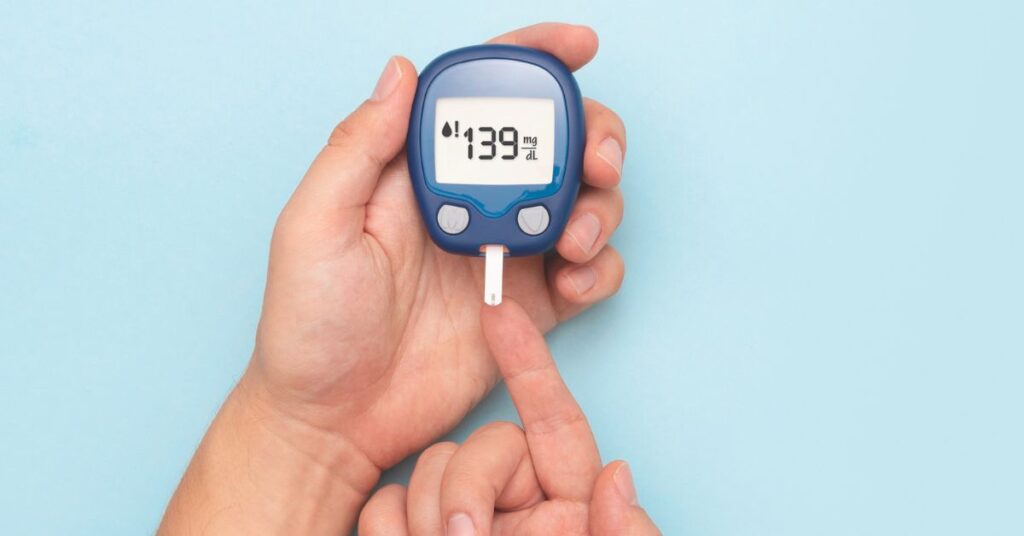
Yes, you can take your medication before a fasting blood test with a small sip of water unless your clinician or lab says to hold it.
Fasting bloodwork can feel awkward when you wake up, skip breakfast, and still have morning pills waiting. Most people keep taking their usual prescription meds on a fasting morning.
The goal is simple: avoid a dose that could make you unwell without food, and flag anything that can skew the numbers on your report. This guide helps you plan the night before, get through the draw smoothly, and keep your results easy to interpret.
What Fasting Means For Blood Tests
Fasting for lab work means no food and no drinks other than plain water for a set window. Many orders use an 8-12 hour window, often scheduled early so the fast happens mostly overnight.
Plain water is usually allowed and can help the draw go faster. Coffee, tea, juice, soda, energy drinks, and flavored water can shift certain readings. Some labs also ask you to skip gum, mints, nicotine, and hard workouts until after your blood is drawn.
| Medication Or Category | Usual Morning-Of Approach | Why It Matters For Fasting Labs |
|---|---|---|
| Blood pressure pills (ACE inhibitors, ARBs, beta blockers) | Take with water | Keeping your routine can prevent high or low readings at check-in |
| Thyroid hormone (levothyroxine) | Take with water, or wait until after if thyroid labs are ordered | Timing can shift thyroid numbers, so consistency matters across visits |
| Diabetes pills (metformin, sulfonylureas) | Often hold until after the draw | Low blood sugar risk rises when glucose-lowering meds are taken without food |
| Insulin | Plan a fasting dose with your diabetes clinic | Dose needs depend on insulin type, timing, and your usual glucose pattern |
| Cholesterol meds (statins) | Take as scheduled | A single dose rarely changes a fasting lipid panel in a way that blocks care |
| Blood thinners (warfarin, DOACs) | Take unless told to hold | Stopping can raise clot risk; hold plans are used for procedures, not routine labs |
| Pain relievers (acetaminophen) | Take with water if needed | Staying comfortable can reduce stress and fainting risk during the draw |
| Vitamins and supplements | Often hold on test morning unless prescribed | Some supplements change lab values; a few can interfere with test methods |
Can You Take Your Medication Before a Fasting Blood Test?
People ask, can you take your medication before a fasting blood test? For most routine fasting panels, the default answer is yes: take your usual prescription medicine with water, then fast until the draw. Major health systems and lab guidance repeat the same idea: don’t change medication unless you were told to.
There are two reasons a clinician might ask you to pause a dose. One is safety, like diabetes medicine taken without food. The other is test clarity, like a supplement that can interfere with a lab method and change the printed result.
Start With Your Lab Order
Some orders include a note like “take meds with water” or “hold morning dose.” If your paperwork is silent, call the clinic that ordered the test or the lab where you’re going. It’s faster than rebooking.
Bring A Medication List
If you don’t know the names, snap a photo of each bottle. Timing matters for some tests, so include the last dose time. This helps the lab label samples correctly and helps your clinician read results without guessing.
Use Water, Not Coffee Or Juice
Swallow pills with a small sip of plain water. If a medicine must be taken with food, schedule the test early and bring a snack for right after the draw. NHS patient guidance says not to change medication unless your doctor tells you to, and to ask for advice if your medicine needs food.
Taking Medication Before A Fasting Blood Test With Fewer Surprises
This plan fits most adults getting common fasting panels like lipids and fasting glucose. It keeps your prep steady without guessing at the last minute.
Night Before
- Pick a stop-eating time that matches your fasting window, then stick to water.
- Set out only the meds you plan to take so you don’t autopilot into vitamins or supplements.
- If you use insulin or glucose-lowering pills, write your dosing plan down.
Morning Of
- Drink water when you wake up.
- Take allowed meds with water, then stop.
- Bring a list of meds and supplements, plus a snack for afterward.
Medication Types That Often Need Extra Planning
Some medicines are routine on fasting mornings, but a few categories deserve a clear plan because of safety, timing, or test interference. The goal is not self-adjustment. The goal is following the plan your clinician meant for that order.
Diabetes Medicines
Fasting and glucose-lowering medicines can cause low blood sugar, especially with travel time and waiting-room delays. Many clinics ask patients to hold short-acting insulin and certain diabetes pills until after the draw, then eat right away. Some people still need a basal insulin dose to stay steady.
If you feel shaky, sweaty, confused, or weak while fasting, tell staff right away. Safety beats a “perfect fast.”
Thyroid Medicine When Thyroid Labs Are Ordered
Thyroid hormone is often taken on an empty stomach, so taking it while fasting feels normal. If your clinician ordered TSH and free T4, ask whether they want you to take your dose before the draw or after. Many clinicians prefer a consistent pattern so results compare cleanly across visits.
Blood Thinners And Antiplatelet Medicines
Do not stop a blood thinner on your own for fasting labs. If your blood draw is paired with a procedure, your team may give a hold plan. For routine bloodwork, most people take these as scheduled.
Steroids And Hormone Medicines
Prednisone and other steroids can raise blood glucose. Hormone therapies can shift some endocrine tests. If your panel includes cortisol, ACTH, or sex hormones, ask if dose timing should stay fixed, move to after the draw, or pause for that morning.
Supplements, Vitamins, And Drinks That Can Skew Results
Supplements are easy to forget because they sit outside “real medicine” in many people’s minds. Labs count them too. Put them on your medication list so the ordering clinician can judge what should pause.
Biotin Can Interfere With Some Lab Tests
High-dose biotin (vitamin B7) can interfere with some lab tests and cause incorrect results, including tests used in urgent care. If you take biotin for hair or nails, tell your clinician and your lab before the draw, and ask how long to stop it. FDA warning on biotin interference.
Iron, Multivitamins, And Herbal Products
Iron and multivitamins can upset an empty stomach. Some herbal products can change liver enzymes or clotting tests. If you don’t need a supplement for a diagnosed deficiency, many clinicians prefer you hold it on the morning of a fasting panel.
Alcohol And Caffeine
Alcohol can raise triglycerides and affect liver enzymes, so many labs ask you to avoid it before fasting lipid tests. Caffeine can shift glucose and some hormone readings for certain people. Plain water keeps prep simple.
For a clear overview of what counts as fasting, see MedlinePlus fasting for a blood test.
| Test Ordered | Things That Commonly Shift Results | Practical Move On Test Day |
|---|---|---|
| Fasting glucose | Food, sweet drinks, diabetes med timing, steroids | Follow your diabetes dosing plan; take other meds with water unless told to hold |
| Lipid panel | Food, alcohol, hard workouts | Fast as directed; avoid alcohol the day before if told |
| Basic metabolic panel | Dehydration, diuretic timing | Drink water; take routine meds unless told to hold |
| Thyroid panel | Thyroid dose timing, biotin | Ask about taking thyroid med before the draw; disclose biotin use |
| Iron studies | Iron supplements, recent meals | Hold iron until after the draw unless prescribed differently |
| Cortisol or ACTH | Steroid meds, timing instructions | Follow the exact time window given on your order |
| Medication level tests | Last dose timing | Ask if this is a “trough” draw and follow those instructions |
| Pregnancy glucose screen | Food, timing, nausea | Follow clinic instructions; tell staff if you vomit during the test |
If You Already Took Your Medication
If you swallowed a pill on autopilot, don’t panic. Tell the lab staff what you took, when you took it, and what you swallowed it with. Many results are still usable with that context.
If you ate, drank coffee, or took a supplement that can interfere with the ordered tests, call the ordering clinic before you arrive. Some panels can still run; others may be better rescheduled.
After The Draw: Eating And Next Steps
Once your blood is drawn, you can usually eat right away unless your clinician gave other instructions. Bring a snack with carbs and protein, plus water. If you held a diabetes dose, eat before taking it unless your plan says otherwise.
Fainting can happen after fasting and a needle stick. Sit for a minute, breathe slowly, and don’t rush out the door. If you feel dizzy, tell staff and stay seated.
Checklist To Bring To The Lab
This list keeps the visit smooth and keeps your fasting window intact.
- Your lab order or electronic confirmation
- A current medication list, including supplements and doses
- A small bottle of water
- A snack for right after the draw
One last reminder: can you take your medication before a fasting blood test? Often yes, but the ordering instructions win. If you’re unsure about a specific medicine, ask before test day and follow the same plan on repeat draws so results compare cleanly.

Mo Maruf
I created WellFizz to bridge the gap between vague wellness advice and actionable solutions. My mission is simple: to decode the research and give you practical tools you can actually use.
Beyond the data, I am a passionate traveler. I believe that stepping away from the screen to explore new environments is essential for mental clarity and physical vitality.