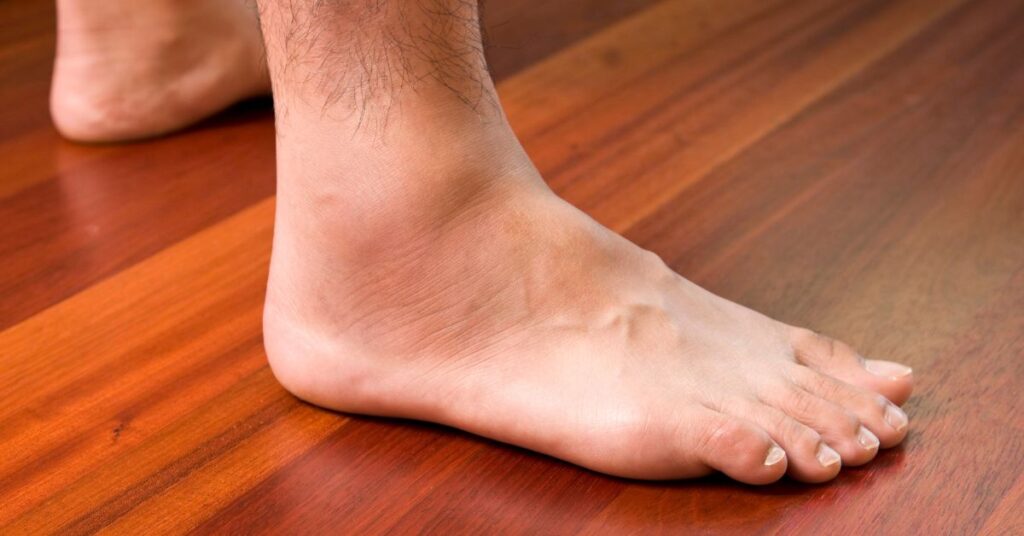
Bumps on your ankles most often come from skin irritation, vein problems, or joint disease, and the pattern of symptoms points toward the cause.
Bumps on your ankles can catch your eye in the shower, in sandals, or when socks start to feel tight. Some ankle bumps are harmless and clear with simple care, while others signal circulation trouble, infection, or inflammation that needs prompt medical review.
This article sets out common reasons for ankle bumps, what they tend to look like, simple steps you can try at home, and clear signs that mean you should see a doctor or use emergency care. It cannot diagnose you, but it can help you tell your story clearly and act early when warning signs appear.
Common Causes Of Bumps Around The Ankles
Before you ask, “why do i have bumps on my ankles?”, sort bumps by how fast they arrived, whether they itch or hurt, and whether one or both ankles are involved.
| Cause | Typical Ankle Features | Urgency |
|---|---|---|
| Friction or pressure from shoes or socks | Rubbed areas, callus-like thickening where straps or seams press | Low unless skin breaks or blisters badly |
| Allergic or irritant contact dermatitis | Red, bumpy, itchy patches where skin touches metal, rubber, dye, or plants | See a doctor if spreading, blistering, or strongly sore |
| Eczema or stasis dermatitis | Dry, scaly, reddish-brown patches around ankles, often with swelling | Planned visit; sooner if sores or fluid appear |
| Folliculitis or inflamed hair follicles | Small red or pus-filled bumps clustered around hairs | Low if mild; see a doctor if painful or spreading |
| Cysts, lipomas, or other benign lumps | Soft or firm round lumps under the skin, often painless | Routine check to confirm they are benign |
| Varicose veins or venous insufficiency | Bulging veins, ankle swelling, skin darkening or thickening | Planned visit; sooner if skin breaks or ulcers appear |
| Infection such as cellulitis or abscess | Hot, red, rapidly spreading area; may throb and come with fever | Urgent same-day care or emergency visit |
| Joint or bone problems such as gout or arthritis | Firm painful bump near a joint, with stiffness or sudden flares | Prompt visit, especially with severe pain |
Why You Might Have Bumps On Your Ankles: Main Causes
In clinics, most ankle bumps fall into a few broad groups: short-term irritation, chronic skin disease, vein and fluid problems, bone or joint causes, and infections.
Short-Term Irritation And Allergic Reactions
New shoes, tight socks, or straps that rub one area can set off small bumps that feel firm, sore, or rough. These spots often sit right over bones such as the ankle or heel. Rubbing leads to thicker skin and sometimes fluid-filled blisters that look dramatic but usually heal with rest, looser footwear, and padding.
Allergic or irritant contact dermatitis is another frequent pattern. Metal buckles, rubber, dyes, or plants near the ankles can trigger red, bumpy, itchy patches. Avoiding the trigger, gentle washing, and short courses of topical steroid cream from a doctor usually settle flare-ups.
Inflammatory Skin Conditions Around The Ankles
Chronic skin conditions can favor the ankle area. Eczema linked to poor leg vein function, often called venous stasis dermatitis, causes dry, scaly, reddish-brown patches with itching and swelling around the lower legs and ankles. Over time the skin can thicken and develop firm, tender areas known as lipodermatosclerosis, driven by long-standing venous disease.
Other skin conditions such as psoriasis or keratosis pilaris can show as small rough bumps on the legs, though they more often cluster on the thighs or upper arms than at the ankle.
Lumps Linked To Veins, Fluid, And Circulation
When valves in leg veins do not move blood back toward the heart, fluid can pool around the ankles. This venous insufficiency brings swelling, a heavy feeling, and skin changes such as bumps, dark patches, and itching, often in both ankles.
General fluid buildup in the legs, called edema, can make ankle skin look tight, shiny, and puffy, and often links to heart, kidney, liver, or vein problems. Health services advise seeing a doctor when ankle swelling does not ease after a few days of self-care, gets worse, or comes with shortness of breath, chest pain, or skin color changes.
Bone, Joint, And Soft Tissue Bumps
Not all bumps on the ankle start in the skin. Some arise from deeper structures such as joints or tendons, so hard nodules near a joint can fit gout or other arthritis.
Benign growths such as ganglion cysts, lipomas, and small bony overgrowths may also sit near the ankle. Ganglion cysts often lie near joints or tendons and feel smooth and rubbery, while lipomas feel soft and mobile under the skin. Many of these are harmless but should be assessed if they grow, hurt, or change.
Infections And Other Urgent Causes
Infections around the ankle need fast attention. Cellulitis is a bacterial skin infection that causes a warm, red, painful, and often rapidly spreading patch that may include raised areas, blisters, or small abscesses. Fever, chills, or feeling generally unwell along with a hot, swollen ankle are clear warning signs that call for same-day care.
Occasionally, bumps come from deeper problems such as a blood clot in a leg vein, severe vein inflammation, or tumor. These causes are less common but serious. A sudden, painful, swollen ankle or calf, especially in one leg, or any ankle swelling with chest pain or trouble breathing should be treated as an emergency.
Why Do I Have Bumps on My Ankles? Clues From Symptoms
When you keep asking, “why do i have bumps on my ankles?”, a few simple questions about the bumps can narrow the list of likely causes and guide the next step.
Are The Bumps Itchy, Sore, Or Painless?
Intensely itchy bumps that sit where skin touches straps, elastic, or plants often suggest contact dermatitis or eczema. Hot, sore bumps that spread fast raise concern for infection. Firm, painless lumps that barely change for months may fit benign cysts or lipomas more than a simple rash.
Did They Show Up Suddenly Or Slowly?
Sudden crops of bumps after a hike, run, or new shoes match friction, insect bites, or a brief reaction. Slow thickening and discoloration around the ankles over months or years, with swelling by the end of the day, point more toward venous problems or long-term skin disease.
Is One Ankle Affected Or Both?
Both ankles affected in a similar way often signal systemic issues such as venous insufficiency, eczema, or widespread skin conditions. One-sided painful swelling with color change, warmth, or marked tenderness is more worrying for infection, deep vein thrombosis, or localized injury.
Home Care Steps For Mild Ankle Bumps
If your symptoms are mild, not rapidly changing, and you feel well, simple measures at home may ease ankle bumps while you arrange medical advice. Stop any clear trigger such as a new pair of shoes or a tight strap. Switch to soft, breathable socks and roomy footwear to reduce friction and pressure.
Cool compresses, gentle fragrance-free moisturizers, and over-the-counter hydrocortisone cream can help with itchy rashes, as long as the skin is not infected or open. For ankle swelling, health services commonly suggest short walks, raising your legs above heart level when resting, and avoiding long stretches of standing still.
If you already have a skin diagnosis, follow the plan your dermatologist or primary care doctor has given you, including any prescription creams or compression stockings, and use their written advice for flares around the ankles. Health organizations such as the National Eczema Association give practical advice for managing stasis dermatitis and other eczema types that affect the lower legs.
Warning Signs With Ankle Bumps And When To Seek Help
Some ankle bumps and swelling need fast in-person care instead of home treatment. Medical groups give clear triggers for urgent evaluation of leg and ankle symptoms.
| Warning Sign | Possible Concern | Suggested Action |
|---|---|---|
| Sudden swelling or large new bump in one ankle or calf | Blood clot or acute vein blockage | Seek emergency care immediately |
| Hot, red, rapidly spreading area with strong pain | Cellulitis or deep skin infection | Same-day urgent care or emergency visit |
| Bumps plus chest pain, trouble breathing, or coughing up blood | Possible clot that has traveled to the lungs | Call emergency services |
| Open sores, weeping fluid, or ulcers around the ankles | Advanced venous disease or severe dermatitis | Prompt visit with a doctor or vein specialist |
| Bumps with fever, chills, or a strong unwell feeling | Systemic infection | Same-day urgent evaluation |
| Bumps that keep growing, feel rock hard, or change shape | Unusual tumor or aggressive growth | Timely specialist assessment |
| Swelling that does not improve after several days of rest | Possible heart, kidney, liver, or vein problem | Book a medical appointment |
How Doctors Work Out The Cause Of Ankle Bumps
During a visit, your clinician asks when the bumps appeared, how they changed, and checks the skin, veins, joints, and pulses around both ankles, then may order tests such as blood work, vein ultrasound, X-rays, or skin biopsy when needed.
Living With Recurrent Ankle Bumps
Some causes of ankle bumps do not clear forever but can be managed. Venous insufficiency often needs ongoing leg elevation, compression stockings, movement, and weight management to reduce swelling and flare-ups of stasis dermatitis and lipodermatosclerosis.
Chronic skin conditions such as eczema or psoriasis around the ankles tend to wax and wane. A written plan with your dermatologist, along with regular moisturizing and avoiding harsh soaps, water that is too hot, and drying fabrics, helps keep symptoms steady.
If you live with gout or arthritis, staying on top of medicine schedules, lab checks, and planned visits with your rheumatology or primary care team lowers the odds of painful ankle flares and tophi growth.

Mo Maruf
I created WellFizz to bridge the gap between vague wellness advice and actionable solutions. My mission is simple: to decode the research and give you practical tools you can actually use.
Beyond the data, I am a passionate traveler. I believe that stepping away from the screen to explore new environments is essential for mental clarity and physical vitality.