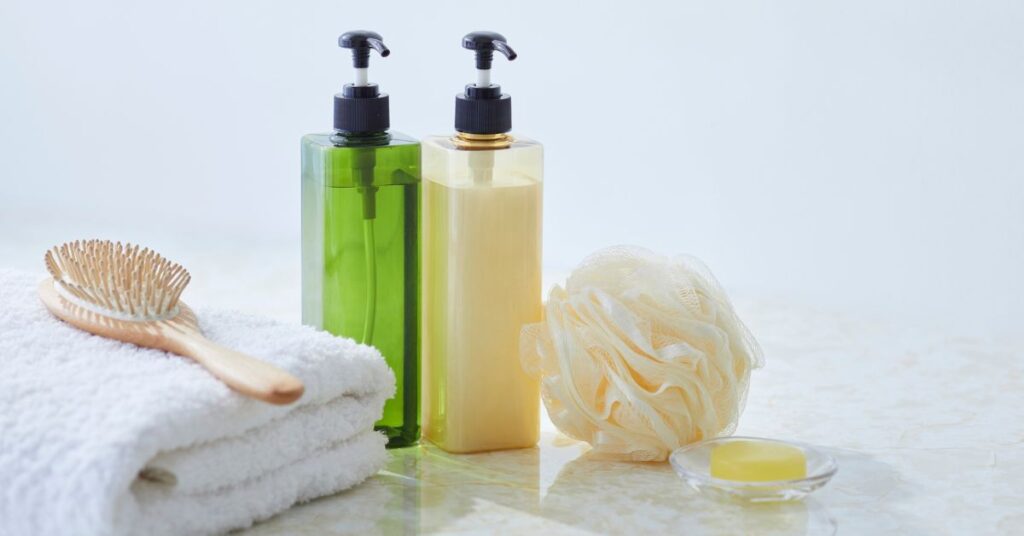
Homemade castile soap shampoo mixes liquid castile soap with water, oils, and simple additives adjusted to your scalp and hair.
If you like ingredients in your shower, learning how to make shampoo with castile soap can give you control over what touches your scalp. This kind of DIY mix skips synthetic fragrance, heavy preservatives, and long ingredient labels while staying quick to mix in a kitchen.
Castile soap on its own feels strong, so the goal is to dilute it, balance the pH as far as home mixing allows, and add light conditioning so your hair feels clean instead of stripped. Once you understand the basic ratios, you can adjust the recipe for dry hair, oily roots, or sensitive skin.
Castile Soap Shampoo Basics
Castile soap is a plant oil based soap, often made from olive, coconut, or similar oils, that cleans by binding to dirt and oil so water can rinse them away.
Because castile soap is concentrated, many brands recommend diluting it for body and hair use. Dr. Bronner’s castile soap guide explains that their liquid castile soap is made from vegetable oils and can work on skin and hair once diluted, since it contains no synthetic detergents.
| Component | Role In Castile Shampoo | Tips For Use |
|---|---|---|
| Liquid Castile Soap | Main cleansing base that lifts oil and product buildup. | Use as a small portion of the bottle, then stretch with water. |
| Distilled Or Boiled Water | Softens the mix and cuts the strength of the soap. | Use cooled boiled water if your tap water is especially hard. |
| Carrier Oil | Adds slip and helps reduce dryness after rinsing. | Try jojoba, argan, or light almond oil in tiny amounts. |
| Aloe Vera Gel | Gives glide and a smoother feel on the scalp. | Use a plain, food grade style gel without added dye. |
| Scent Oils | Provide scent and, in some cases, extra scalp comfort. | Keep total concentration low and patch test on your arm. |
| Apple Cider Vinegar Rinse | Helps restore an acidic surface after washing with soap. | Use as a separate rinse, never mixed straight into the bottle. |
| Preservative Plan | Controls spoilage in water based DIY blends. | Make small batches, refrigerate, and watch for smell or color change. |
How to Make Shampoo With Castile Soap Step By Step
This simple castile soap shampoo recipe gives one bottle you can finish within two to three weeks.
Gather Your Equipment
You need a clean squeeze bottle or foaming pump, a small funnel, a measuring jug, and spoons. Wash everything in hot soapy water, rinse well, and let the pieces dry before you start. Clean tools lower the chance of early spoilage.
Measure Your Base Ingredients
For one cup of shampoo, start with one quarter cup liquid castile soap and three quarter cup distilled or cooled boiled water. Stir gently to avoid excess foam. This one to three ratio keeps the soap strong enough to clean while cutting the harsh feel that pure castile can have on hair.
Add Conditioning Boosters
Stir in half to one teaspoon of carrier oil. Jojoba is a popular choice because its structure is close to natural scalp oil. For extra slip, add one tablespoon of aloe vera gel. Mix again until the texture looks even, and scrape the sides of the jug so no thick gel clings there.
Add Scent Oils With Care
Scent oils are optional, yet many people enjoy a light scent. Good options for shampoo include lavender, peppermint, and tea tree oil in small amounts. Stay near ten to fifteen drops total per cup of liquid and avoid them entirely for young children or anyone with sensitive skin.
Bottle And Label Your Shampoo
Use the funnel to pour the mixture into your clean bottle. Leave a little headspace in case you shake the bottle before use. Add a label with the ingredients and date so you can track how long it has been in the shower.
How To Use Your Castile Soap Shampoo
Wet your hair and scalp fully with warm water. Dispense a small amount of the shampoo into your palm, then work it through the roots and along the lengths. Castile soap lathers in soft water and may foam less in hard water, so aim for even spread instead of big bubbles. Rinse well.
After rinsing the shampoo, many people follow with a diluted apple cider vinegar rinse, then clear water, then a light conditioner on the ends. This can help the hair shaft feel smoother because soap based products are more alkaline than many commercial shampoos.
Is Castile Soap Shampoo Right For Your Hair?
Whether castile soap shampoo suits you depends on your hair type, scalp condition, and water hardness. Pure soap tends to raise the pH of the wash water, which can lift the cuticle layer of hair and leave some people with tangles or a dull surface.
Cleveland Clinic notes that castile soap is a gentle soap made from vegetable oils and that it can work on body and hair for some users when used with care. If your hair feels rough or squeaky after washing, you may need more dilution, an acid rinse, or a different cleanser.
How Hair Type Changes The Result
Straight, fine hair often shows residue quickly, so it may need a lighter mix with extra water and almost no added oil. Wavy or curly hair can sometimes handle a richer formula, yet still may need a separate conditioner for slip.
Very coily textures often benefit from pre wash oiling and a generous conditioner step after washing with soap. Hair that has been bleached or heat damaged can be fragile, so patch test on a small section before switching your whole routine.
How Often To Wash With Castile Soap Shampoo
The American Academy of Dermatology suggests that people with oily scalps may wash daily, while drier textures may only need a full shampoo every few weeks. With a castile blend, many users wash less often than they would with a commercial shampoo because the product can feel a bit stronger on the hair.
Safety, Storage, And Ingredient Choices
Personal care products do not go through routine premarket approval, so the person who sells or makes them holds the responsibility for safety under normal use. The United States Food and Drug Administration explains that shampoos fall under cosmetic rules and must be safe and properly labeled when sold.
At home, that responsibility sits with you. Use clean gear, label bottles, and discard a batch if the scent, texture, or color changes. Do not add ingredients that need refrigeration, such as fruit or dairy, to a bathroom product.
Simple Preserving Habits
Water based blends can grow microbes over time. To lower risk, mix small volumes, store the bottle in a cool, shaded place, and keep the cap closed between showers. Many home crafters keep a second bottle in the fridge and refill a small shower bottle each week.
Choosing Oils And Additives Wisely
Pick oils that match your goal. Jojoba or grapeseed oil stay light on most hair types. Coconut oil can feel heavy on fine hair yet can help with coil shrinkage control. Always patch test any scent oils or new extracts on bare skin before they go near your scalp.
Castile Soap Shampoo Recipe Tweaks For Different Hair Goals
Once you are comfortable with the recipe, you can tailor your castile shampoo to match your hair goals. Small tweaks go a long way, so change one thing at a time and track results for at least three washes before another change.
| Hair Goal | Suggested Adjustment | Notes |
|---|---|---|
| Less Dryness | Add an extra half teaspoon carrier oil. | Watch for flat roots and reduce if hair loses volume. |
| More Scalp Freshness | Add a few drops of peppermint or tea tree oil. | Skip this tweak if you have a history of sensitivity to fragrance. |
| Better Slip On Curls | Add more aloe vera gel and follow with rich conditioner. | Detangle with fingers or a wide tooth comb in the shower. |
| Less Build Up | Use more water in the mix and rinse for longer. | A monthly detox shampoo can help if castile alone is not enough. |
| Softer Hard Water Feel | Rinse with diluted apple cider vinegar after shampoo. | Finish with plain water so your hair does not smell like vinegar. |
| Short Hair Routine | Use a foaming pump to deliver a small dose each time. | Keep the cut short on product to avoid dryness. |
| Travel Size Batch | Mix half cup total and store in a small leakproof bottle. | Pack the bottle in a sealable bag in your luggage. |
Make Castile Soap Shampoo Feel More Like Store Brands
Some people miss the silky slip and thick foam of traditional shampoos when they first switch to castile soap blends. You can borrow a few habits from commercial formulas without turning your shower shelf into a lab.
Use a separate conditioner on your lengths so the shampoo can stay simple. A light leave in product on damp ends can also cut frizz. If you want more slip during washing, rub a couple of drops of oil between your palms and smooth that through the mid lengths before you add the shampoo.
When To Skip Castile Soap Shampoo
Homemade castile shampoo may not suit everyone. People with scalp conditions that need medicated products, such as seborrheic dermatitis or psoriasis, usually still need to keep those treatments in the mix. Very color treated hair can also react poorly to soap based blends.
If you notice more irritation, flaking, or extra hair fall after switching, return to your previous cleanser and speak with a licensed skin doctor or hair specialist. They can help match products to your scalp needs and hair goals.
Putting Your Castile Soap Shampoo Routine Together
By now you know how to make shampoo with castile soap in a way that respects your scalp, hair, and storage needs. You also have options for tailoring each batch so it fits dry curls, oily roots, or mixed textures in one household.

Mo Maruf
I created WellFizz to bridge the gap between vague wellness advice and actionable solutions. My mission is simple: to decode the research and give you practical tools you can actually use.
Beyond the data, I am a passionate traveler. I believe that stepping away from the screen to explore new environments is essential for mental clarity and physical vitality.