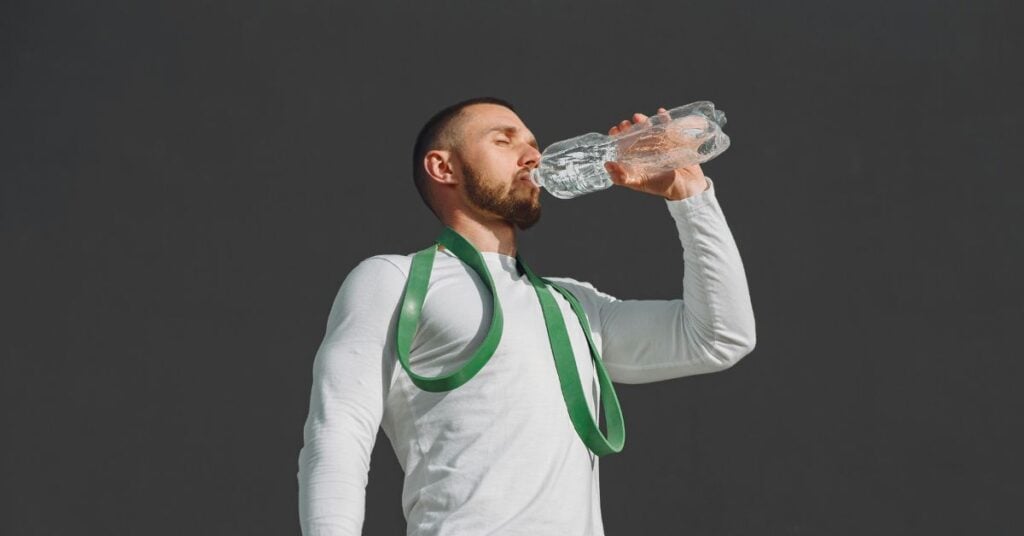
Yes, dehydration can cause muscle weakness in legs by reducing blood flow, upsetting electrolytes, and stressing muscle cells.
When your legs feel weak or heavy for no clear reason, it is natural to wonder can dehydration cause muscle weakness in legs. Fluid loss does more than cause thirst. It changes blood volume, electrolyte balance, and the way your nerves and muscles fire, so leg strength can drop fast.
This guide explains how dehydration affects your muscles, which signs to watch for in your legs, when to treat it at home, and when sudden weakness means an emergency. You will also find practical rehydration steps and everyday habits that lower the risk of future leg problems.
Can Dehydration Cause Muscle Weakness In Legs? Symptoms To Notice
The short answer is yes. When you lose water and salts through sweat, fever, vomiting, diarrhoea, or diuretic medicines, your circulation and muscle cells struggle to keep up. The result can be wobbly legs, poor stamina, or cramping that stops you in your tracks.
Typical dehydration signs such as thirst, dark urine, and dizziness often appear along with muscle changes in the legs. Health sites report that dehydration can cause weakness, tiredness, and muscle cramps as fluid loss worsens, especially in older adults and active people.
| Sign | What You Notice | How It Can Affect Your Legs |
|---|---|---|
| Thirst And Dry Mouth | Constant need to drink, sticky tongue | Early clue that blood volume is dropping |
| Dark Yellow Urine | Pee looks darker and stronger smelling | Shows your body is holding onto fluid |
| Dizziness Or Lightheaded Feeling | Woozy or unsteady when you stand | Less blood to the brain and leg muscles |
| Fast Heartbeat | Pulse feels faster than usual at rest | Heart works harder to push blood to muscles |
| General Weakness | Heavy limbs, less strength than usual | Legs may tire quickly when you walk or climb |
| Muscle Cramps | Sudden sharp pain in calf or foot | Often linked to fluid and salt loss in working muscles |
| Confusion Or Irritability | Harder to think clearly, short temper | Signals more serious dehydration that needs urgent care |
These signs do not prove that fluid loss is the only cause of weak legs, but they should push you to pause and check your hydration status. If weakness eases after steady rehydration and rest, dehydration was likely a major factor.
How Dehydration Affects Muscles And Nerves
Your muscles depend on water and dissolved minerals such as sodium, potassium, calcium, and magnesium. Together they keep blood flowing, carry electrical signals, and power each contraction. Major medical sites like the Mayo Clinic dehydration overview describe dehydration as a state where the body loses more fluid than it takes in, so normal work in tissues starts to fail.
Fluid Loss And Blood Flow To Your Legs
When total body water drops, blood volume falls as well. The body responds by narrowing some blood vessels and raising heart rate to keep pressure steady. Less blood then reaches working muscles in the legs. Reduced blood flow means less oxygen and fewer nutrients, so your legs start to feel heavy and tired sooner than usual.
Electrolytes And Muscle Contraction
Electrolytes carry electrical charges that allow muscle fibres to contract and relax. Reviews on adult dehydration report that imbalances in sodium, potassium, and magnesium can lead to muscle spasms and weakness, especially during heat stress or illness. When these minerals drop too low, muscle cells cannot fire in a smooth pattern, so you may feel shaky, clumsy, or prone to cramps.
Nerve Signals And Cramping
Nerves also rely on steady levels of water and electrolytes. When those levels swing, signals misfire and you can feel tingling, buzzing, or sharp cramps in your calves and feet. Night time leg cramps are often an early warning that your usual drinking routine is not enough.
Dehydration And Leg Weakness During Exercise
During a workout, the body sends more blood to the muscles and skin to move and cool you. At the same time, you lose water and salts in sweat. If you start the session already slightly dry or do not drink enough during longer sessions, leg strength fades faster and cramps are more likely.
Sports medicine research links dehydration and electrolyte loss with a higher risk of heat illness and muscle breakdown in intense conditions. Athletes, outdoor workers, and people training in hot gyms should treat fluid intake as part of their basic kit, alongside shoes and stretching.
When Leg Weakness From Dehydration Is An Emergency
Mild to moderate dehydration often responds well to oral fluids and rest. Severe dehydration, on the other hand, can damage organs and threaten life. Health centres warn that heavy fluid loss can lead to low blood volume shock, kidney injury, and even coma if it is not corrected quickly.
Call emergency services or go to urgent care right away if leg weakness appears with any of these red flag signs:
- Fainting, near fainting, or very fast breathing
- Inability to stand or walk because the legs give way
- Chest pain or shortness of breath
- Confusion, slurred speech, or sudden problems finding words
- Drooping on one side of the face or weakness on one side of the body
- No urine for many hours, or very dark, brown, or bloody urine
- High fever, severe diarrhoea, or vomiting that will not stop
Sudden weakness in one leg, especially with face drooping or speech trouble, may signal a stroke, which needs urgent hospital care even if symptoms fade after a few minutes.
How To Rehydrate Safely When Your Legs Feel Weak
If your symptoms are mild and you are otherwise well, gentle rehydration at home often restores leg strength over several hours. Other questions matter besides can dehydration cause muscle weakness in legs. You also need to think about how quickly you lost fluid, what medicines you use, and whether you have heart, kidney, or endocrine disease, because these conditions change how much and how fast you should drink.
General tips for adults with mild dehydration and leg weakness include these steps:
- Sip water or an oral rehydration drink steadily over a few hours instead of gulping a large amount at once.
- Eat small salty snacks such as crackers or soup if you have no medical reason to limit salt, to replace sodium lost in sweat or diarrhoea.
- Rest with your legs raised on a pillow so blood returns more easily from your feet and calves.
- Pause exercise or heavy physical work until strength returns and urine turns light yellow.
| Time | What To Drink | Approximate Amount |
|---|---|---|
| First Hour | Water or oral rehydration solution | Small sips totalling 250 to 500 ml |
| Second Hour | Water plus a light salty snack | Another 250 to 500 ml |
| Third Hour | Water or dilute fruit juice | Up to 250 ml, based on thirst |
| Later In The Day | Water with meals and between meals | Enough to keep urine pale yellow |
| During Light Activity | Water every twenty minutes | About 100 to 150 ml per drink |
This table is a general illustration for healthy adults. People with kidney disease, heart failure, or hormone problems need personal advice from their own medical team before they follow any set plan.
Preventing Dehydration Related Muscle Weakness In Legs Day To Day
Leg strength protects balance, mobility, and independence, so preventing dehydration related muscle weakness in legs pays off over the long term. Simple daily habits can cut the risk of fluid loss before it saps your muscles.
Daily Fluid Targets And Food Choices
Many adults do well with total fluid intake around two to three litres per day from drinks and high water foods, unless their medical team has given different instructions. Official health sites such as the NHS dehydration guidance explain that needs rise in hot weather, with fever, and during activity. Water is the base, yet milk, herbal tea, and broths also count, while fruit and vegetables add extra fluid and minerals.
During meals, aim for a glass of water or other low sugar drink. Between meals, take regular sips instead of waiting until you feel very thirsty. If you sweat heavily, lose fluid through illness, or use diuretics, ask your doctor about salt and electrolyte balance so you can adjust food and drink safely.
Habits For Heat, Work, And Exercise
Situations that combine heat and exertion place special strain on leg muscles. You are more likely to notice cramps or shaky legs when hiking, working on a building site, training on artificial turf, or standing for long shifts.
- Pre hydrate by drinking water in the hours before hard work or sport, not just during activity.
- Schedule regular drink breaks in the shade or a cool indoor space.
- Wear light, breathable clothing and stable shoes that allow secure footing.
- Watch for early warning signs such as headache, dizziness, or a sense that your legs feel heavier than usual.
Other Causes Of Muscle Weakness In Legs
This question is only one part of the picture. Many other conditions can lead to weak or wobbly legs, and some need urgent medical care even when hydration is normal. These include stroke, nerve disease, spinal problems, side effects of certain medicines, autoimmune disease, muscle disease, and severe infections.
See a doctor promptly if leg weakness is sudden, affects only one side, comes with loss of bladder control, or appears with new numbness, back pain, or breathing trouble. A clinician can check strength, reflexes, and blood tests to sort out dehydration from other causes and plan treatment.
Putting It All Together For Your Leg Health
can dehydration cause muscle weakness in legs has a clear answer. Fluid loss, lower blood volume, and disturbed electrolytes reduce how well your muscles and nerves work, so your legs can feel weak, shaky, or prone to cramps. Mild cases often improve with steady rehydration and rest, while severe symptoms or stroke signs need emergency care.
Use this knowledge to listen to early warning signs from your body, drink regularly through the day, match intake to sweat loss, and seek medical help without delay if leg weakness appears with worrying symptoms. That pattern tends to repeat across many different situations. This article offers general information and cannot replace care from your own health professional, especially if you have long term conditions or sudden changes in strength.

Mo Maruf
I created WellFizz to bridge the gap between vague wellness advice and actionable solutions. My mission is simple: to decode the research and give you practical tools you can actually use.
Beyond the data, I am a passionate traveler. I believe that stepping away from the screen to explore new environments is essential for mental clarity and physical vitality.