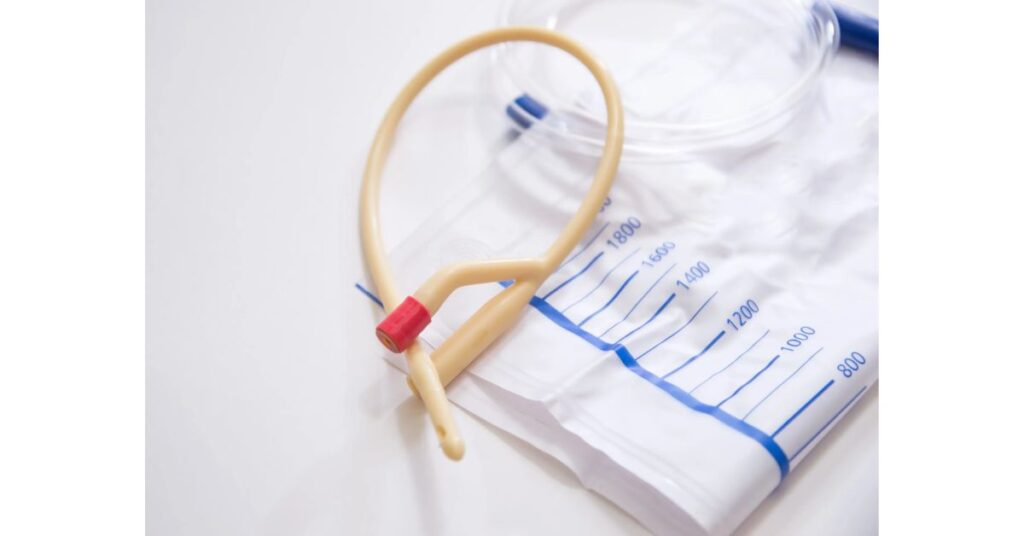
Urinary catheters usually stay in from a few days to a few months, based on your condition, catheter type, and your doctor’s plan.
There is no single safe number that suits everyone. The answer depends on why you needed a catheter, which type you have, how you heal, and whether any problems appear along the way. Health teams try to keep catheter time as short as possible while still keeping your bladder and kidneys safe.
How Long Should You Keep a Catheter In? Main Factors
Many people ask, “how long should you keep a catheter in?” during the first few days after surgery or an acute illness. Safe timing always starts with the reason for the catheter. A short-term tube to protect stitches or track urine output follows a different plan than a catheter used for long-term bladder emptying problems.
Guidance from infection-control groups and nursing policies repeats the same message. Only use a urinary catheter when there is a clear medical reason, and remove it as soon as that reason no longer applies. Each extra day with a tube in place raises the chance of catheter-associated urinary tract infection, so wards and clinics are urged to review the need every day.
The route of the catheter also matters. A urethral tube passes through the urine outlet, while a suprapubic catheter enters through a small opening in the lower abdomen. External “condom” devices and intermittent self-catheterisation do not sit in the bladder at all between uses. These differences affect how long the device can stay in before a change.
| Catheter Type | Typical Time In Place | Common Situation |
|---|---|---|
| Short-Term Urethral (Hospital) | Hours to a few days | After surgery or during acute illness |
| Short-Term Urethral (Rehab) | Several days | Fluid tracking during early recovery |
| Long-Term Indwelling Urethral | Changed every 4–12 weeks | Ongoing bladder emptying problems at home |
| Suprapubic Catheter | Changed every 4–12 weeks | Long-term drainage through lower abdomen |
| External (Condom) Catheter | Changed daily or every couple of days | Leakage in people who can still pass urine |
| Intermittent Self-Catheterisation | Inserted and removed each time | Several times a day for bladder emptying |
| Catheter After Major Prostate Or Bladder Surgery | Several days to a few weeks | Protects healing tissue while swelling settles |
Catheter Wear Time: How Long To Keep A Catheter In Safely
The phrase “how long should you keep a catheter in?” actually hides two linked questions. One is how long the catheter stays in before removal. The other is how often the tube itself is changed while you still need ongoing drainage. Here is how that plays out for different types.
Short-Term Urethral Catheters In Hospital
In hospital, indwelling urethral catheters are mainly used for short spells. After many operations, the tube stays in for one to three days so staff can monitor urine, protect healing tissue, and avoid retention. Some patients need the catheter slightly longer while they regain strength or while swelling settles around the urethra.
Long-Term Indwelling Urethral Catheters At Home
Some people have long-term bladder drainage because of nerve disease, obstruction that cannot be fixed yet, or long-standing problems with retention. In those cases, the catheter may be needed for months or years, but the tube itself is changed regularly to reduce blockage and infection.
Many hospital and local services plan routine changes every four to twelve weeks, based on catheter material, local policy, and your history of blockage or infection. Several national health services note that most indwelling catheters should not remain in place longer than three months without replacement by trained staff.
Some infection-control groups now advise changing indwelling catheters only when there is a clear reason such as blockage, infection, or damage to the closed drainage system. In real life, your own schedule often lands between these ideas, with a planned change date and the option to bring changes forward if trouble appears.
Suprapubic Catheter Wear Time
A suprapubic catheter passes through a small opening in the lower abdomen into the bladder. After the first few weeks, when the track is still settling, change intervals often stretch to every four to twelve weeks if things stay stable. Timing depends on catheter material, stone or blockage history, and skin condition around the site.
External Catheters And Sheaths
External devices such as condom catheters sit on the skin instead of inside the bladder. They usually need changing every day, or every couple of days if the skin is healthy and the seal stays firm. Regular changes help protect the skin, control odour, and cut the chance of leaks.
Intermittent Self-Catheterisation
Intermittent catheters work differently from indwelling tubes. You insert the catheter to drain the bladder, then remove it straight away. Most people use a fresh sterile catheter each time, several times a day, based on a personal bladder plan agreed with their team.
Why Longer Catheter Time Raises Risk
A catheter gives germs a direct path into the bladder. The longer it stays in, the more chance bacteria have to move up the tube or along the outer surface and trigger a catheter-associated urinary tract infection. Large studies and national infection-control guidance show a steady rise in infection rates with each extra day the device stays in place.
The Centers for Disease Control and Prevention share detailed advice on catheter use and timing in their catheter-associated urinary tract infection guidance. This advice encourages teams to avoid “just in case” catheters, to record the reason for insertion, and to remove the catheter as soon as that reason no longer applies.
Health services in the United Kingdom give similar advice. One example is NHS urinary catheter advice, which notes that long-term catheters usually need replacement at least every three months, with earlier changes if problems start.
Warning Signs Your Catheter Has Stayed In Too Long
There is no alarm light on a catheter that tells you it has reached its limit. Instead, you and your care team watch for clues from your body, urine, and the equipment. Some warning signs point to infection, others to blockage or mechanical trouble with the tube or bag.
| Warning Sign | What It May Mean | What To Do |
|---|---|---|
| Fever, chills, or feeling generally unwell | Possible urine infection spreading beyond the bladder | Seek urgent medical advice the same day |
| Cloudy, foul-smelling, or bloody urine | Infection or irritation from the catheter | Call your doctor or nurse promptly |
| Pain or strong discomfort in the lower tummy or back | Bladder spasm, blockage, or kidney involvement | Contact medical services for assessment |
| No urine draining into the bag for an hour or more | Possible blockage or kink in the tubing | Check for kinks, then seek help if flow does not restart |
| Leakage of urine around the catheter | Bladder spasm, blockage, or catheter size issue | Arrange review of catheter position and size |
| Red, sore, or broken skin around entry site | Irritation, infection, or poor fixation | Ask your nurse or doctor to review the site |
| Confusion or sudden change in behaviour in an older person | Possible infection linked to the catheter | Seek urgent assessment, especially if new or sudden |
Practical Tips For Living With A Catheter Safely
Good day-to-day care has a big effect on how long a catheter can stay in safely. Habits that keep the system clean and flowing well can lower infection risk and may allow longer gaps between planned changes within the limits your team has set.
Keep The System Closed And Clean
Always wash your hands with soap and water before and after you handle the catheter, drainage bag, or valve. Try not to disconnect the bag from the tube unless you have been shown how and told it is needed. Each break in the system is another chance for bacteria to get in.
Clean the skin around the urethral or suprapubic site each day with mild soap and water, then gently pat dry. Many services also suggest wiping the catheter tube from the body downward with cooled boiled water or saline once or twice a day to clear any residue.
Look After The Drainage Bag
Keep the drainage bag lower than your bladder so urine flows downhill and does not run back. Empty the bag before it becomes heavy, usually when it is about two-thirds full. Avoid resting it on the floor, where germs are common, and follow any cleaning routine given by your nurse.
Work With Your Care Team On Timing
Before you leave hospital, ask who will plan catheter changes and how you will get appointments. Some areas run specialist catheter clinics, while others arrange changes with district nurses or urology teams. Write down the agreed schedule and keep it with your catheter supplies so you can check dates at a glance.
Bring up any new symptoms at once, even if your next change is not due yet. Blockage, repeated leakage, or new pain can mean the catheter should be changed earlier than planned. Never try to deflate the balloon or pull out the catheter yourself unless a professional has trained you and given clear instructions to do so.
Questions To Ask Your Doctor About Catheter Time
It can feel awkward to speak up about bladder issues, yet open conversation with your team keeps you safer and more comfortable. These questions can help you plan how long your catheter should stay in and what to do if problems arise.
Questions About Why You Have A Catheter
- What is the main reason I need this catheter right now?
- Are there other options for draining my bladder that might suit me later?
- What needs to change before the catheter can be removed?
Questions About How Long It Should Stay In
- What is my current plan for how long the catheter will stay in place?
- How often should my catheter be changed while I still need it?
- Who decides when to bring the next change forward if there are problems?
Questions About Warning Signs And Emergencies
- Which symptoms mean I need same-day medical help?
- When should I go straight to an emergency department instead of waiting?
- Who should I call during evenings or weekends if the catheter blocks?
Clear answers to these questions help you understand how long your catheter can stay in safely and what to watch for at home. Write notes during the appointment or ask a family member or carer to come along so you do not have to hold all the details in your head.

Mo Maruf
I created WellFizz to bridge the gap between vague wellness advice and actionable solutions. My mission is simple: to decode the research and give you practical tools you can actually use.
Beyond the data, I am a passionate traveler. I believe that stepping away from the screen to explore new environments is essential for mental clarity and physical vitality.