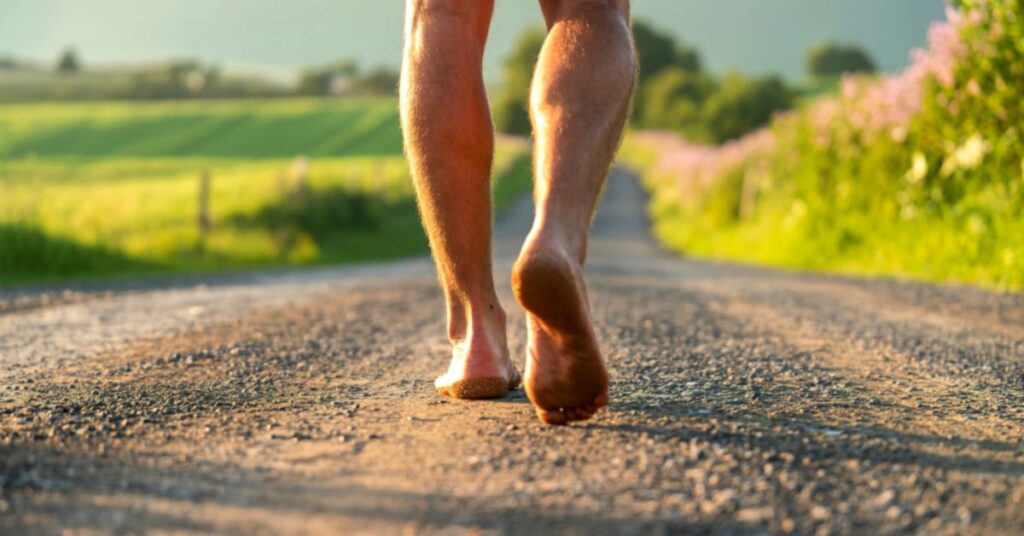
No, walking barefoot with neuropathy raises cut and burn risk; use shoes most days and try barefoot drills only on clean indoor floors.
Neuropathy can make feet feel numb, prickly, or sore. It can also dull pain and temperature, which is the part that sneaks up on people. A tiny scrape, a hot tile, or a pebble in the hallway can turn into a wound you didn’t notice until later.
Still, some people like the idea of barefoot time for balance and foot strength. The goal of this guide is simple: help you decide when barefoot time is a bad bet, when it can be tested with guardrails, and what to do first so your feet stay intact.
If you searched “is walking barefoot good for neuropathy?” you’re weighing comfort against injury risk.
Quick barefoot decisions by situation
| Situation | Better choice | Why it tends to win |
|---|---|---|
| New numbness, burning, or pins-and-needles | Closed-toe shoes indoors and out | You may not feel injuries, heat, or pressure points. |
| Diabetes with any loss of feeling | Shoes plus socks at home | Small skin breaks can turn into ulcers. |
| History of foot ulcers or slow-healing wounds | Footwear every step | Skin is already proven fragile. |
| Balance feels shaky on carpet or tile | Stable shoes; barefoot only during a supervised drill | Falls often beat foot strength gains. |
| Flat, clean indoor floor and full feeling in feet | Short barefoot sessions | Lower injury chance, easier to stop fast. |
| Yard, driveway, beach, gym locker room | Protective footwear | Hidden sharp objects and germs are common. |
| Cold weather or hot pavement | Insulated shoes | Temperature damage can happen without clear warning. |
| Doing toe, calf, or balance work | Thin-soled shoes or grippy socks | You get feedback without bare-skin contact. |
Is Walking Barefoot Good for Neuropathy?
Most of the time, no. Neuropathy often reduces your “alarm system.” Pain and heat are meant to shout when something is wrong. When that signal is muted, barefoot walking adds risk with no guaranteed payoff.
At the same time, “good” depends on your type of neuropathy, your skin, your balance, and where you plan to walk. Barefoot time can fit as a controlled drill for some people, not as the default way to move around the house.
Why neuropathy changes what your feet can handle
Peripheral neuropathy means nerves outside the brain and spinal cord aren’t sending clean signals. Many causes exist, and symptoms can vary from mild tingling to loss of feeling and muscle weakness. The National Institute of Neurological Disorders and Stroke explains common symptoms, causes, and diagnosis steps on its NINDS page on peripheral neuropathy.
From a barefoot-safety angle, three problems show up again and again:
- Less protective sensation. You might not notice a blister forming, a seam rubbing, or a small cut.
- Weaker balance feedback. If nerves in the soles aren’t giving clear input, the body can sway more.
- Skin and shape changes over time. Some people get calluses, toe changes, or higher pressure spots that need cushioning.
Those issues don’t mean you’re fragile. They do mean you need a higher standard for surfaces and footwear.
Walking barefoot with neuropathy on safe indoor surfaces
If you’re set on trying barefoot time, treat it like training, not like normal living. A safe trial has boundaries: time limit, surface control, and a stop rule.
Who should skip barefoot trials
Skip barefoot trials if any of these fit today:
- Open sores, cracks, or a blister anywhere on the foot
- Past ulcer, past infection, or slow healing after small cuts
- Marked numbness where you can’t tell warm from cool water at the sink
- New swelling, new redness, or a hot spot that stands out on one foot
- Balance that feels unsafe without holding a counter
Signs barefoot time is backfiring
Stop and switch to footwear if you notice any of these during the day or later that night:
- New tenderness in one area, even if it feels mild
- Red marks that don’t fade after 20–30 minutes
- A new crack, scrape, or blood spot on socks
- Burning after walking on a floor that felt “normal”
What to do instead of barefoot if you want better balance
Many people like barefoot walking because it feels grippy and “awake.” You can get most of that without bare skin contact.
Try one of these options, then pick the one your feet tolerate best:
- Grippy socks on clean floors, so slips are less likely.
- Thin, flexible house shoes with a wide toe box and a flat sole.
- Minimal seams inside shoes and socks to cut down rubbing.
If you have diabetes, foot protection at home matters even more. The American Diabetes Association lists daily habits that reduce foot injury risk on its ADA foot care tips page.
How to test sensation at home without gadgets
You don’t need special gear to learn if barefoot walking is a bad trade for you. These quick checks can show if your protective sensation is fading. Do them seated.
Temperature check
Fill two cups: one with cool tap water, one with warm (not hot) water. Touch each cup with the sole near the toes, then the heel. If the difference feels fuzzy or you can’t tell which is which, treat barefoot walking as high risk.
Light touch check
Use a tissue or cotton ball. Brush it lightly across the top of each foot and the pads under the toes. Compare left to right. Big differences suggest you may miss small injuries.
Pressure hot-spot check
After any walking session, look for red areas that match shoe edges, sock seams, or a single toe. A mirror helps. Red spots that linger can turn into blisters later.
Footwear habits that reduce flare-ups and injuries
For neuropathy, the goal of footwear is simple: reduce pressure spikes and block hazards. Fancy features matter less than fit.
Shoes that tend to work well
- Wide toe box so toes don’t rub or curl.
- Firm heel hold so your foot doesn’t slide and shear.
- Cushioned sole that spreads pressure across the foot.
- Low, steady heel to keep balance predictable.
Socks that play nicely with neuropathy
- Soft, smooth fabric with flat seams
- Snug fit without tight bands that leave deep marks
- Dry change during the day if your feet sweat
Barefoot-style shoes and thin soles
Barefoot-style shoes can suit indoor drills. Outdoors, pick a tougher outsole and enough cushioning to block sharp debris.
House rules that protect numb feet
- Shake out shoes before wearing them
- Keep floors free of sharp crumbs, pet toys, and loose staples
- Skip heating pads and hot water bottles on feet
- Trim nails straight across; file edges so they don’t snag
Why some people feel better barefoot for a minute
Feet have lots of touch receptors. When sensation is partly intact, direct contact with the floor can give a clearer “map” of where you are in space. That can feel steady and calming. It can also make small foot muscles work a bit more.
The catch is that neuropathy can blur useful signals and also mute danger signals. So the same barefoot session that feels good in the moment can still leave a scrape you didn’t feel, or a pressure point that turns into a blister the next day.
When barefoot walking is most risky
Some settings stack the deck against you. If neuropathy is present, these are the common trouble spots:
- Outdoor surfaces. Glass, thorns, hot pavement, and sharp shells are easy to miss.
- Shared wet floors. Locker rooms and pool decks carry higher infection risk.
- Night trips to the bathroom. Low light plus numb feet raises trip and stub risk.
- Busy kitchens. Dropped knives, broken dishes, and hot spills happen fast.
If you want a barefoot feel in these zones, swap to thin shoes or grippy socks.
Checklist for a safer barefoot trial
If you still want to try barefoot time, use this checklist and keep it short. Start with one to two minutes on a clean floor. Add time only if your skin stays calm for a full day after.
| Step | What to do | Stop rule |
|---|---|---|
| Inspect first | Check soles, toes, and between toes with a mirror. | Any cut, crack, blister, or wet skin. |
| Pick the floor | Hard, clean, dry surface with no rugs. | Debris, wet spots, or rough texture. |
| Set a timer | 1–2 minutes for the first week. | Any new tenderness or heat. |
| Use a handhold | Rest a hand on a counter for balance drills. | Wobbling that scares you. |
| Skin check after | Check for redness on pressure points. | Red marks that linger past 20–30 minutes. |
| Log results | Note where you walked and how feet felt later. | Symptoms spike the next morning. |
| Return to shoes | Put footwear back on right after the drill. | You catch yourself staying barefoot longer. |
When to get medical care fast
Neuropathy can hide injuries. Get medical care soon if you notice any of these:
- A cut that looks deeper than a surface scratch
- Pus, bad smell, or spreading redness
- Fever, chills, or feeling unwell with a foot wound
- Black or blue skin, or a toe that turns pale and cold
- Sudden new weakness or a foot drop
If you’re unsure, it’s safer to get checked than to wait.
Answering the question in plain terms
So, is walking barefoot good for neuropathy? For most people with reduced sensation, it’s a risk that doesn’t pay back. If you still want the barefoot feel, keep it as a short indoor drill, then return to shoes and socks.
The win is not barefoot time itself. The win is fewer injuries, steadier walking, and skin that stays unbroken week after week.

Mo Maruf
I created WellFizz to bridge the gap between vague wellness advice and actionable solutions. My mission is simple: to decode the research and give you practical tools you can actually use.
Beyond the data, I am a passionate traveler. I believe that stepping away from the screen to explore new environments is essential for mental clarity and physical vitality.