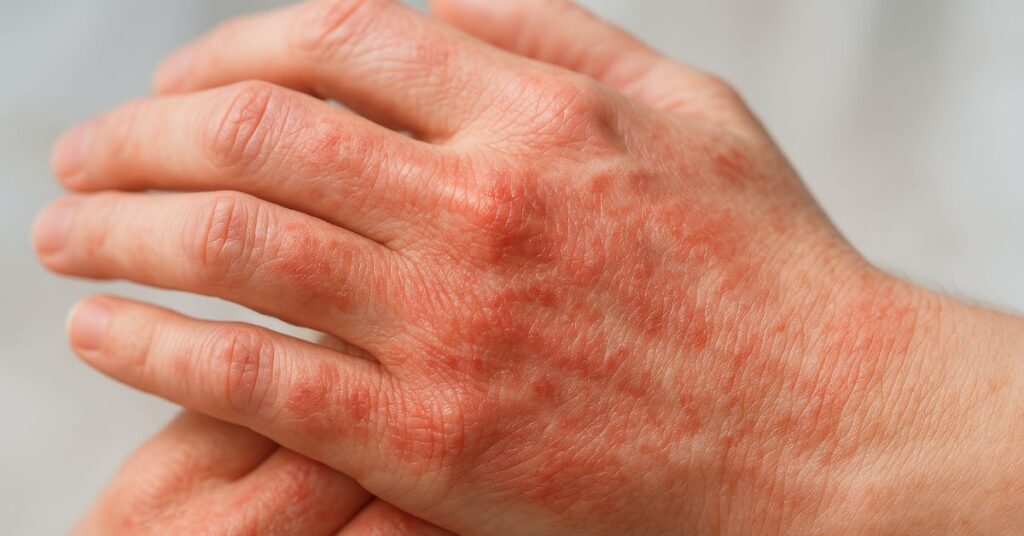
Most severe allergic reactions to a wasp sting start within 5 to 30 minutes, while delayed reactions can appear hours to about two weeks later.
Getting stung by a wasp hurts, and the minutes after the sting can feel tense. Many people watch the spot and wonder how long they need to stay on alert for an allergic reaction or something serious like anaphylaxis.
This guide explains what usually happens after a sting, how long different reactions take to show up, and when to treat symptoms at home versus calling for urgent help.
How Long After A Wasp Sting Does An Allergic Reaction Occur? Main Time Windows
When people ask, how long after a wasp sting does an allergic reaction occur? they usually mean, “When am I out of the danger zone for a severe reaction?” In most cases, serious systemic symptoms begin quickly, while milder reactions stretch over hours or days.
| Reaction Type | Typical Timing After Sting | Common Features |
|---|---|---|
| Normal Local Reaction | Starts within minutes; settles over 1 to 2 days | Pain, redness, mild swelling near the sting only |
| Large Local Reaction | Swelling grows over 12 to 48 hours | Red, hot, swollen area wider than 10 cm |
| Mild Systemic Allergy | Within 10 to 60 minutes | Itchy rash away from the sting, mild nausea |
| Anaphylaxis | Most often 5 to 30 minutes; usually within 1 hour | Trouble breathing, throat or tongue swelling, dizziness |
| Biphasic Reaction | Second wave 4 to 12 hours after first symptoms | Serious symptoms return after earlier improvement |
| Delayed Allergic Reaction | Several hours to about 1 week | Rash, fever, joint aches, flu like feeling |
| Serum Sickness Like Reaction | About 6 days to 2 weeks | Widespread rash, itching, joint pain, tiredness |
The American Academy Of Allergy, Asthma & Immunology notes that severe sting reactions often bring a mix of widespread hives, swelling of the tongue or throat, trouble breathing, stomach cramps, and low blood pressure, and that these symptoms tend to start soon after the sting rather than days later.
NHS advice on anaphylaxis explains that symptoms usually start within minutes of contact with an allergen such as an insect sting and can progress quickly, which is why early breathing trouble or throat swelling always needs emergency care.
Types Of Reactions After A Wasp Sting
Not every swollen sting means a dangerous allergy. Wasp venom irritates the skin even in people without allergy, and that irritation alone can lead to hours of burning and swelling at the sting site.
Normal And Large Local Reactions
A normal local reaction sits in a small area around the sting, with pain, redness, and mild swelling that peak in the first few hours and ease over a day or two. A large local reaction spreads wider, sometimes along a whole finger, hand, or limb, and can grow for 24 to 48 hours before fading. These patterns stay near the sting and do not cause breathing trouble or collapse.
Systemic Allergy And Anaphylaxis
A systemic reaction affects parts of the body away from the sting. It can range from scattered hives and nausea to a full anaphylactic reaction that includes breathing problems, throat or tongue swelling, dizziness, or sudden loss of consciousness. For most people with venom allergy, these symptoms appear within about 5 to 30 minutes after the sting and usually within the first hour.
Delayed And Serum Sickness Like Responses
Delayed reactions show up hours or days later. They may bring rash, fever, joint pain, and a tired, washed out feeling. Doctors sometimes use the term serum sickness like pattern, and reports describe it starting around 6 to 10 days after a sting and in some cases up to two weeks later.
Wasp Sting Allergic Reaction Timing After The Sting
Once a wasp sting happens, the body responds right away. Venom spreads through the tissues, and immune cells react to proteins in that venom.
Immediate Minutes After The Sting
In the first ten minutes, pain and redness develop at the sting site. People with a history of severe allergy may notice itch on the palms, soles, face, or scalp. When someone has had anaphylaxis before, doctors usually advise using an epinephrine injector at the first sign of throat tightness, trouble breathing, or spreading hives after a sting.
The First Hour After A Wasp Sting
The first hour carries the highest risk for a severe systemic reaction. Watch for hives away from the sting, swelling of the lips or eyelids, tightness in the throat, noisy breathing, wheeze, chest pressure, or feeling faint. If any of these appear, treat the sting as an emergency and use prescribed epinephrine while calling local emergency services.
Hours To Days After The Sting
Between four and twelve hours after the sting, new symptoms are less likely to be a first wave of anaphylaxis. This period usually brings ongoing local swelling or a second bump in symptoms called a biphasic reaction, where serious features return after an earlier improvement. Days later, the main worries shift toward delayed allergy or infection at the sting site, both of which need medical advice if you feel unwell.
Warning Signs You Need Emergency Help
Fast action during a severe allergic reaction saves lives.
Breathing And Airway Symptoms
Call emergency services if you notice trouble breathing after a sting. Warning signs include noisy breathing, wheeze, tightness in the throat or chest, a feeling that you cannot get air in, or swelling around the lips, tongue, or eyes. If you have an epinephrine auto injector prescribed for sting allergy, use it at the first sign of airway symptoms.
Circulation And Consciousness Symptoms
Watch for dizziness, confusion, pale or clammy skin, or collapse. These signs suggest a drop in blood pressure. Lay the person flat with their legs raised if possible, unless breathing is easier while sitting upright, and seek emergency care even if symptoms improve.
Wide Skin Or Gut Symptoms
Wide areas of hives, intense itching across the body, stomach cramps, nausea, vomiting, or diarrhea soon after a sting also point toward systemic allergy. When these appear together with breathing or circulation changes, treat the situation as anaphylaxis and follow your emergency plan.
Home Care For Mild Wasp Sting Reactions
Most wasp stings bring short lived pain and swelling that clear without hospital care. Simple steps at home ease discomfort and lower the chance of skin infection.
Right After The Sting
Move away from the area so you are out of reach of more wasps. Remove any visible stinger by scraping gently rather than pinching, wash the area with soap and water, then place a cold pack or wrapped ice on the sting for ten to fifteen minutes at a time. An over the counter pain reliever and an oral antihistamine can ease pain and itching.
Ongoing Care Over The Next Few Days
Keep the sting site clean and dry and reapply cold packs if swelling flares. A topical steroid cream can reduce redness and itch. Avoid scratching, since broken skin raises the chance of infection. See a doctor if swelling continues to spread after two days, if you see streaks of redness running up a limb, or if you develop fever and feel unwell.
| Sting Situation | What To Do Now | Who Should Review It |
|---|---|---|
| Small local reaction only | Cold pack, pain relief, watch for change | Self care unless symptoms worsen |
| Large local swelling over a limb | Cold pack, antihistamine, rest the limb | Family doctor if swelling keeps growing |
| Hives, nausea, or feeling faint | Seek urgent medical care | Family doctor or emergency department |
| Trouble breathing or throat swelling | Use epinephrine if available, call emergency services | Emergency department |
| Second wave of symptoms hours later | Return for urgent review | Emergency department or urgent care |
| Fever, pus, or streaking from sting site | Keep area clean, seek care promptly | Family doctor or clinic |
| Rash, joint pain, and fever days later | Note timeline and book an appointment | Family doctor or allergy specialist |
Reducing Risk After A Wasp Sting Allergy
If you have had any systemic reaction after a wasp sting, even if it settled without hospital care, an allergy assessment can clarify your risk. Blood or skin tests for venom allergy and, in some cases, supervised challenge tests help specialists estimate how likely another sting is to trigger a serious response.
Action Plan And Everyday Precautions
After assessment, many people receive a written action plan that sets out when to use epinephrine and when to seek urgent care. Keep that plan with your auto injector and share it with family, friends, or colleagues who spend time with you outdoors. Simple habits also lower the chance of another sting: covering food and drinks outside, wearing closed shoes on grass, skipping strong scents, and staying calm and moving away instead of swatting when a wasp flies near.
Final Thoughts On Wasp Sting Allergic Reactions And Timing
So, how long after a wasp sting does an allergic reaction occur? For most people, the highest risk sits in a short window: minutes to about an hour for severe reactions and up to a day or two for milder allergic patterns. Delayed problems days later are less common and rarely involve sudden collapse, yet they still need medical advice if you feel unwell.
Clear timing information also helps parents, carers, and outdoor workers react calmly when a sting happens nearby in summer.
By learning the timing patterns, watching closely during the first hour, and having a clear plan for epinephrine and emergency calls, you can handle a sting with more confidence and help protect the people around you during wasp season.

Mo Maruf
I created WellFizz to bridge the gap between vague wellness advice and actionable solutions. My mission is simple: to decode the research and give you practical tools you can actually use.
Beyond the data, I am a passionate traveler. I believe that stepping away from the screen to explore new environments is essential for mental clarity and physical vitality.