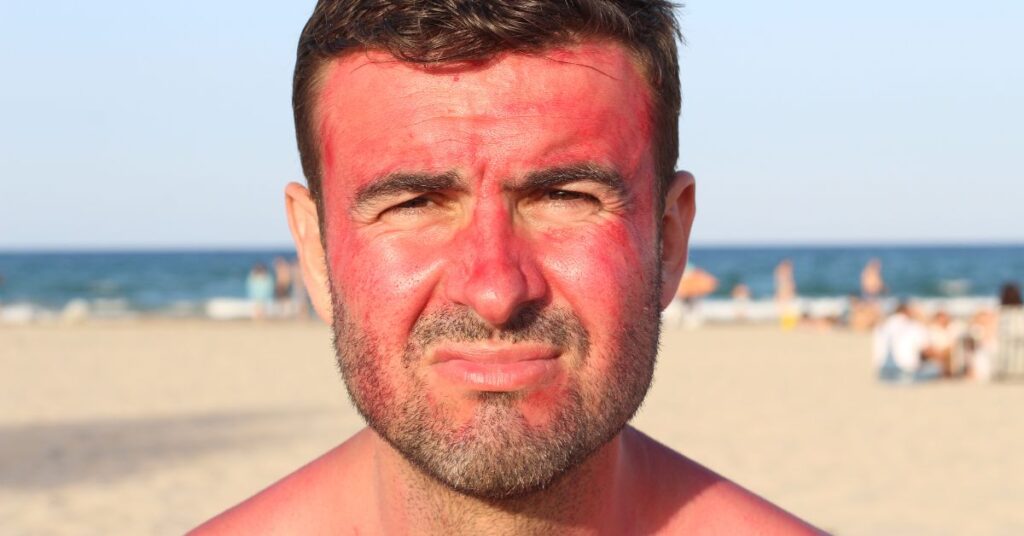
Checks for color, pain, blisters, and body symptoms help you tell how bad a sunburn is and when to get medical care.
If your skin turns pink or lobster red after a day outside, you want a clear way to judge the damage. You also want to know when a sunburn is just sore skin and when it crosses into something that needs a doctor. That is the heart of how to tell how bad your sunburn is without guessing.
This article gives you plain checks you can run at home: how your skin looks, how it feels, how your body feels, and how things change over the next few days. It does not replace care from a doctor or nurse, but it can help you spot trouble fast and take better care of your skin.
What Sunburn Severity Levels Mean
Doctors often talk about burns in degrees. Most sunburns sit in the first or second degree range. The worse the degree, the deeper the damage and the higher the risk of problems such as infection, dehydration, or heat illness. Mild burns usually heal on their own. Severe burns, or sunburn plus whole-body symptoms, need medical help.
You can use the table below as a quick map while you read the rest of the article.
| Severity Level | What Your Skin Looks Like | What Your Body Feels Like |
|---|---|---|
| Mild Redness (First Degree) | Pink to light red skin, tender to touch, no blisters, no open areas. | Mild soreness, no fever, no chills, you feel well enough to move around. |
| Moderate Sunburn | Bright red skin, more swelling, sore to clothing or shower water, maybe a few small blisters. | Stronger pain, hard to sleep on the area, tired from discomfort but no strong flu-like symptoms. |
| Severe Sunburn (Second Degree) | Very red or even purple areas, clusters of clear blisters, possible swelling of hands, feet, or face. | Throbbing pain, headache, nausea, or chills; you may feel washed out and shaky. |
| Large Area Sunburn | Any level of redness that covers most of the back, chest, or both arms and legs. | Higher risk of fluid loss and heat exhaustion, even if pain seems manageable. |
| Face, Hands, Or Genitals | Redness or blisters on thin, sensitive skin, or around the eyes. | Pain with blinking, walking, or using your hands; small blisters can feel huge in these spots. |
| Children And Babies | Any redness or blistering on young skin, sometimes harder to spot on darker tones. | Fussiness, poor feeding, sleep changes, fever, or low energy. |
| Sun Poisoning | Severe burn plus widespread blisters or rash, skin may look angry and swollen. | High fever, strong chills, vomiting, dizziness, or confusion; this can be an emergency. |
Medical sources such as the Mayo Clinic sunburn overview describe this same pattern: red, tender skin at the mild end, then blisters, swelling, and whole-body symptoms as severity climbs.
How To Tell How Bad Your Sunburn Is On Day One
The first day sets the tone. You may not see the full burn until 12 to 24 hours after sun time, so an early check in the evening and another the next morning gives the best picture. During those checks, focus on three things: skin color and feel, pain level, and blister pattern.
Skin Color And Sensation
Stand in bright, even light and compare burned skin with an area that stayed covered. On lighter skin, mild sunburn looks pink and blanches (turns pale) when you press it, then reddens again. On medium and darker skin, the change may show as tightness, a darker or ashy tone, or a warm, itchy patch rather than bright red.
Run the back of your fingers across the area. Mild burns feel warm and tender. Deeper burns feel hot, tight, and sometimes slightly swollen. If the skin feels hot to the touch even through thin fabric, or if swelling makes rings, watches, or sandals feel tight, you are already in the moderate range.
Pain Scale You Can Use
A simple zero to ten pain scale helps you rate how bad your sunburn is. Zero means no pain. Ten is the worst pain you can imagine. Mild sunburn pain sits around two or three. You notice it when clothes rub or when you shower, but you can still move and sleep.
Pain scores around four to six point toward moderate sunburn. You wince when you bend, reach, or lie on the area. Sleep feels broken. Over-the-counter pain medicine helps but does not wipe it out. Scores from seven upward, or pain that feels deep and throbbing, suggest a more serious burn, especially if the sore area covers a lot of skin.
Blister Pattern And Size
Blisters tell you the burn reached deeper layers. A few small blisters in a patch of red skin often match a moderate burn. Leave them covered and dry; popping them raises the risk of infection. If blisters join into larger bubbles, or if you see lines of blisters where a swimsuit or top sat, the burn is more severe.
Blisters on the face, hands, feet, or genitals always raise concern, because those areas are hard to protect and heal slowly. Large sheets of blisters, or blisters that leak cloudy or yellow fluid, call for medical care rather than home care alone.
How To Tell How Bad Your Sunburn Is Across The Next Few Days
Sunburn often worsens during the first 24 hours, then slowly settles. Watching the timeline helps you tell whether your skin is on a normal track or drifting into trouble. This matters for adults, and even more for children, older adults, and anyone with long-term conditions that affect the heart, lungs, or immune system.
| Day After Sun | Normal Changes | Warning Signs |
|---|---|---|
| Day 0–1 | Warmth, pink or red skin, mild swelling, rising soreness. | Sudden chills, strong headache, nausea, or feeling faint. |
| Day 1–2 | Color at its peak, pain can feel worst now, small blisters may appear. | Large blisters, facial swelling, trouble moving arms or legs due to pain. |
| Day 2–3 | Pain starts to fade, skin feels tight and dry, peeling may begin. | Spreading redness beyond the sun line, pus, or streaks that point toward infection. |
| Day 3–4 | Peeling increases, itch replaces pain, new skin under flaking areas. | High fever, worsening weakness, or feeling too sick to drink enough fluid. |
| Day 5–7 | Most mild and moderate burns feel much better, peeling slows. | Open sores that do not close, foul smell, or thick yellow discharge. |
| After 1 Week | Color may linger as a tan or darker patch, mild itch only. | Pain that still limits daily tasks, or any new fever or rash on or near the burn. |
Health agencies such as MedlinePlus describe this same pattern, from redness peaking on day one to peeling days later, with fever, chills, nausea, or confusion treated as warning signs rather than simple sunburn.
When Your Sunburn Needs Urgent Care
Color and pain tell only part of the story. Whole-body symptoms often give the clearest clue about how bad your sunburn is. Severe burns can link with heat exhaustion, heatstroke, or heavy fluid loss, which put stress on the heart and brain.
Red Flags That Mean “Call A Doctor Soon”
- Blisters covering more than a small patch, or more than about one fifth of your body.
- Blisters on the face, around the eyes, on the hands, feet, or genitals.
- Sunburn plus headache, nausea, or mild fever that does not settle with rest and fluid.
- Redness that keeps spreading outside the area that saw the sun.
- Signs of infection: cloudy or yellow fluid, bad smell, or red streaks moving away from the burn.
The American Academy of Dermatology notes that high fever, strong chills, nausea, or pus and swelling can mark a worsening sunburn that needs medical attention, not just home care and aloe gel.
Emergency Signs
Skip the home checks and seek urgent care or emergency help right away if any of these appear with a sunburn:
- Fever over about 39–40 °C (103 °F) or higher.
- Confusion, trouble speaking clearly, or unusual behavior.
- Fainting, chest pain, or trouble breathing.
- Skin that feels hot and dry, with little or no sweat, plus dizziness.
- Repeated vomiting, or signs of dehydration such as dark pee and strong thirst.
- A baby or small child with any blistering sunburn or strong fever.
At that level the problem is not only the skin. Heatstroke, severe dehydration, or infection can develop, and those conditions need rapid treatment with fluids and close monitoring in a clinic or hospital.
What You Can Safely Do At Home
Once you judge that your sunburn sits in the mild to moderate range, home care can shorten the rough patch and cut the risk of problems. The goal is simple: cool the skin, ease pain, protect the damaged barrier, and keep your body well hydrated.
Cooling And Comfort
- Move out of the sun right away and stay in the shade or indoors.
- Use cool (not ice-cold) baths or showers to ease heat from the skin.
- Pat dry, then apply a light, fragrance-free moisturizer while the skin is still damp.
- Use aloe vera gel or a moisturizing lotion with soothing ingredients if your skin tolerates it.
- Wear loose, soft clothing so fabric does not rub and scrape.
Hydration And Pain Control
Drink water or oral rehydration drinks through the day; sunburn draws fluid toward the skin and away from the rest of the body. Many people also take over-the-counter pain relievers such as ibuprofen or acetaminophen, following the dose instructions on the package and any advice from their usual doctor.
Do not put ice directly on burned skin, do not use greasy ointments that trap heat, and avoid home remedies that sting or break the skin, such as vinegar or neat essential oils. If a product burns or itches after you apply it, rinse it off with cool water.
How To Reduce Future Sunburn Risk
Once you have handled the current burn, it helps to think through how to keep the next sunny day safer. Every serious burn adds to the lifetime load of damage, and research shows that repeated blistering burns raise the risk of skin cancer later in life.
Smarter Sun Habits
- Plan outdoor time outside the strongest sun hours, often late morning to mid-afternoon.
- Use shade from trees, umbrellas, or canopies when you can.
- Wear long sleeves, a wide-brimmed hat, and UV-blocking sunglasses.
- Apply broad-spectrum sunscreen with at least SPF 30, in a thick, even layer.
- Reapply sunscreen every two hours, and after swimming or heavy sweating.
If you burn easily, have many moles, or have had skin cancer before, regular skin checks with a dermatologist can help catch trouble early. Health groups such as the Skin Cancer Foundation stress that there is no safe sunburn; even one bad burn can matter years later.
Bringing It All Together
Now you have a simple way to judge how bad your sunburn is. Start with what you can see and feel on day one: color, heat, pain, and blisters. Watch how those signs change over the next few days. Pay close attention to whole-body symptoms, not just the shade of red on your shoulders.
Most mild burns settle with rest, cool water, moisture, and extra drinks. Strong pain, large blisters, spreading redness, or any sign of fever, chills, vomiting, dizziness, or confusion means it is time to step up to medical care. With these checks you can answer how to tell how bad your sunburn is every time the sun catches you off guard, and you can treat your skin with the respect it deserves.

Mo Maruf
I created WellFizz to bridge the gap between vague wellness advice and actionable solutions. My mission is simple: to decode the research and give you practical tools you can actually use.
Beyond the data, I am a passionate traveler. I believe that stepping away from the screen to explore new environments is essential for mental clarity and physical vitality.