Our readers keep the lights on and my smoothie glass nicely filled. As an Amazon Associate, I earn from qualifying purchases.
Specs are compiled from manufacturer listings and verified buyer reviews and can change over time — please confirm the key details on the product page before buying.
Before you dig a hole, you need to know how big your dwarf evergreen will get and how tough it is—otherwise, you might end up with a shrub that outgrows its corner in a few seasons. The nine picks here are split across mid-range and premium tiers, so you can match size, hardiness, and color to your garden’s exact conditions. Each one is chosen to thrive for a decade in the right spot, not just look good for a summer.
I’m Mohammad Maruf — the founder and writer behind WellFizz. This guide is built by comparing the manufacturers’ published specifications and the patterns across verified customer reviews, so you get each pick’s real strengths and trade-offs instead of marketing spin.
Finding the best dwarf evergreens means balancing mature height, hardiness zones, and color for your specific yard. dwarf evergreens
Our Picks at a Glance


How To Choose The Best Dwarf Evergreens
The real challenge with dwarf evergreens isn’t finding one you like—it’s finding one that will still fit its spot in a decade. Start with the mature dimensions printed on the tag, not the size of the pot in front of you. A 1-gallon shrub can look tiny today and still stretch to 8 feet tall.
Match the Zone First
Your USDA hardiness zone tells you whether a plant can survive your coldest winter. A loropetalum rated for zones 7-9 will struggle in a zone 5 yard, no matter how healthy it arrives. Check your zone before you fall for foliage color.
Know Your Pollination Needs
Some hollies only produce berries if a male pollinator grows nearby. If winter color from red berries is the goal, you need to plant both the female and the male—or buy a combo that already includes both.
Plan for the Mature Shape
Dwarf doesn’t always mean tiny. The ‘Cavatine’ andromeda matures at 2-3 feet, while the ‘Blue Princess’ holly can reach 12 feet tall. Read the mature height and spread, then measure your planting spot twice before ordering.
Quick Comparison
| Model | Best For | Mature Height | Hardiness Zones | Item Weight | Amazon |
|---|---|---|---|---|---|
| Blue Princess Holly★ Best Overall | Year-round structure with winter berries | 12 feet | 5-8 | 12 pounds | Amazon |
| Boxwood WintergreenBest Value | Classic hedging in cold zones | 60 inches | 4-9 | — | Amazon |
| Jazz Hands Pink LoropetalumColor Pop | Purple foliage with spring blooms | 60 inches | 7-9 | 8.8 pounds | Amazon |
| Sprinter Boxwood | Fast-growing small hedges | 48 inches | 5-9 | — | Amazon |
| Blush Pink Nandina | Fine-textured color in partial shade | 60 inches | 6-10 | 8 pounds | Amazon |
| Dwarf Jade Bonsai | Indoor tabletop greenery | — | — | 4 pounds | Amazon |
| Cavatine Dwarf Andromeda | Tight mounding form with spring bells | 2 feet | 5-8 | 5 pounds | Amazon |
| Purple Daydream Loropetalum | Small-space purple mounding bush | 2 feet | — | 5 pounds | Amazon |
| Dwarf Alberta Spruce | Classic conical accent plant | 8 feet | 3-8 | 5 pounds | Amazon |
In‑Depth Reviews
1. Ilex X meserveae ‘Blue Princess’ (Blue Holly) Evergreen, #3 – Size Container
Our pick — over 4.5★ from 100+ verified ratings; the strongest balance of quality and price.
The rare evergreen that gives you glossy foliage and a winter berry show without any prickly spines.
This holly earns the top spot because it solves the two biggest evergreen complaints at once: it stays lush year-round and it delivers bright red berries in late fall and early winter. The dark green leaves have no sharp spines, so it’s safe to plant near walkways where you brush against foliage daily. It’s a hefty plant at 12 pounds, which tells you the root system is substantial and ready to establish itself quickly after planting.
Buyers report the shrubs arrive “2ft+, bushy” and ready to go in the ground the same day. One owner planted it immediately upon delivery and praised the fast shipping and careful packaging. The health of these plants is the most-praised trait—owners consistently describe them as thriving and filling out within weeks of planting, especially when given slow-release fertilizer at planting time.
The one thing to plan for is pollination. This is a female holly, so it needs a male ‘Blue Prince’ nearby to produce those signature berries. It grows well in full sun or partial shade, and at a mature 12 feet tall with a 9-foot spread, it’s the largest pick here—give it real room to grow.
What wins people over: the health and vigor of arrival—plants show up full, bushy, and already carrying berries rather than looking stressed from shipping.
The planning note: you need a male pollinator for berry production, so factor in space for a second shrub if winter color is the goal.
Reach for this if: you want a statement evergreen with winter interest, hardy to zone 5, and have room for a 12-foot shrub.
Think twice if: your planting spot is tight—at 12 feet tall and 9 feet wide, this outgrows small foundation beds.
2. Boxwood Wintergreen, 1 Gallon
The cold-hardy classic that shrugs off zone 4 winters and rewards you with fast new growth.
If your yard sits in a cold climate, this boxwood is the workhorse pick. It thrives in USDA zones 4-9, which means it handles far colder winters than most evergreens on this list. At maturity it reaches 36 inches wide by 60 inches tall, making it a solid choice for a tidy hedge or a foundation corner that needs structure.
Buyers consistently report these plants arrive healthy and put out “lots of new growth in just a few days.” One buyer who ordered late in the season when local nurseries were sold out was pleasantly surprised that a live plant could ship so well. Another reported their boxwoods survived an outdoor NJ winter and spring with no problems.
The honest trade-off here is size. Some buyers receive plants that look smaller and skinnier than the photos suggest, and a few note the pot doesn’t match a true gallon size. It will fill out as it grows, but if you need instant fullness for a formal hedge, order more than you think you’ll need.
What owners love
- Fast new growth visible within days of planting
- Survives harsh winters down to zone 4
- Excellent packaging on arrival
What to expect
- Plants can arrive smaller and skinnier than photos
- Pot size may not match a true gallon
Best for: cold-climate gardeners who want a reliable, budget-friendly hedge that establishes fast.
Look elsewhere if: you need an instantly full, dense shrub—this one needs a season or two to bulk up.
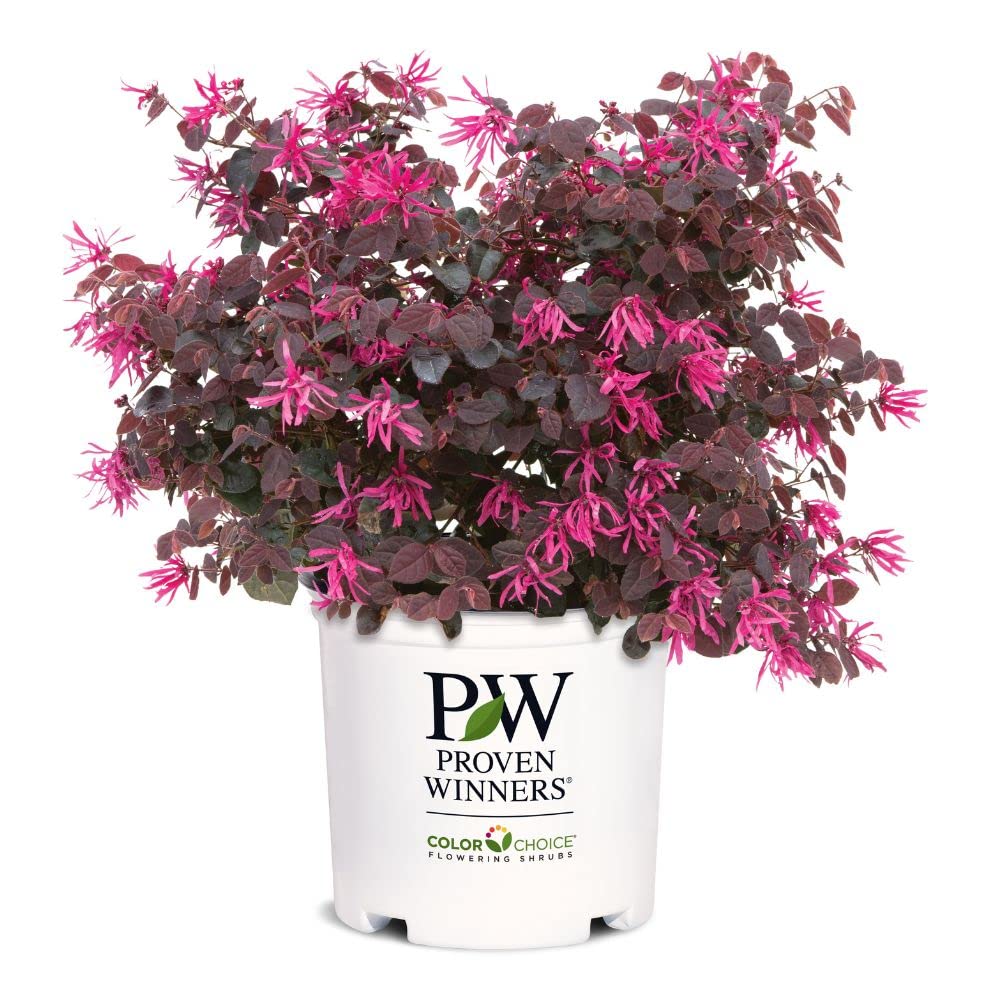
3. Proven Winners 2 Gal. Jazz Hands Pink Loropetalum Shrub
A purple-leafed shrub that looks like a designer planted it, with pink blooms in spring.
This loropetalum is the color play of the group. Its cool purple foliage holds year-round, and in spring it adds small pink flowers for a two-tone show. Sized for zones 7-9, it’s a warm-climate specialist that wants full sun and rewards you with low-maintenance color that never drops its leaves.
The quality is what buyers notice first—owners describe the shrubs as “healthy and beautiful” right from the start. One arrived in a 3-foot-tall shipping box with clear “live plant inside” labeling, a sign the seller takes transport seriously. At 8.8 pounds, this is a lighter plant than the Blue Princess holly (12 pounds), making it easier to maneuver into a container or bed by yourself.
Push it into cold ground and you’re gambling. One owner reported their plant took a hard hit during a freeze and was only hopefully recovering. Stick to its zone 7-9 range and this shrub will reward you with dependable year-round color.
What wins people over: the vibrant purple-green foliage and spring pink flowers that hold up through a freeze.
The fit note: this is a warm-climate plant—zone 7-9 only, so skip it if your winters regularly drop below that range.
Choose this if: you garden in the south and want a low-maintenance shrub with true color impact.
pass on it if: you live in a zone colder than 7—it’s not built for hard freezes.
4. Proven Winners 2 Gallon Sprinter Boxwood
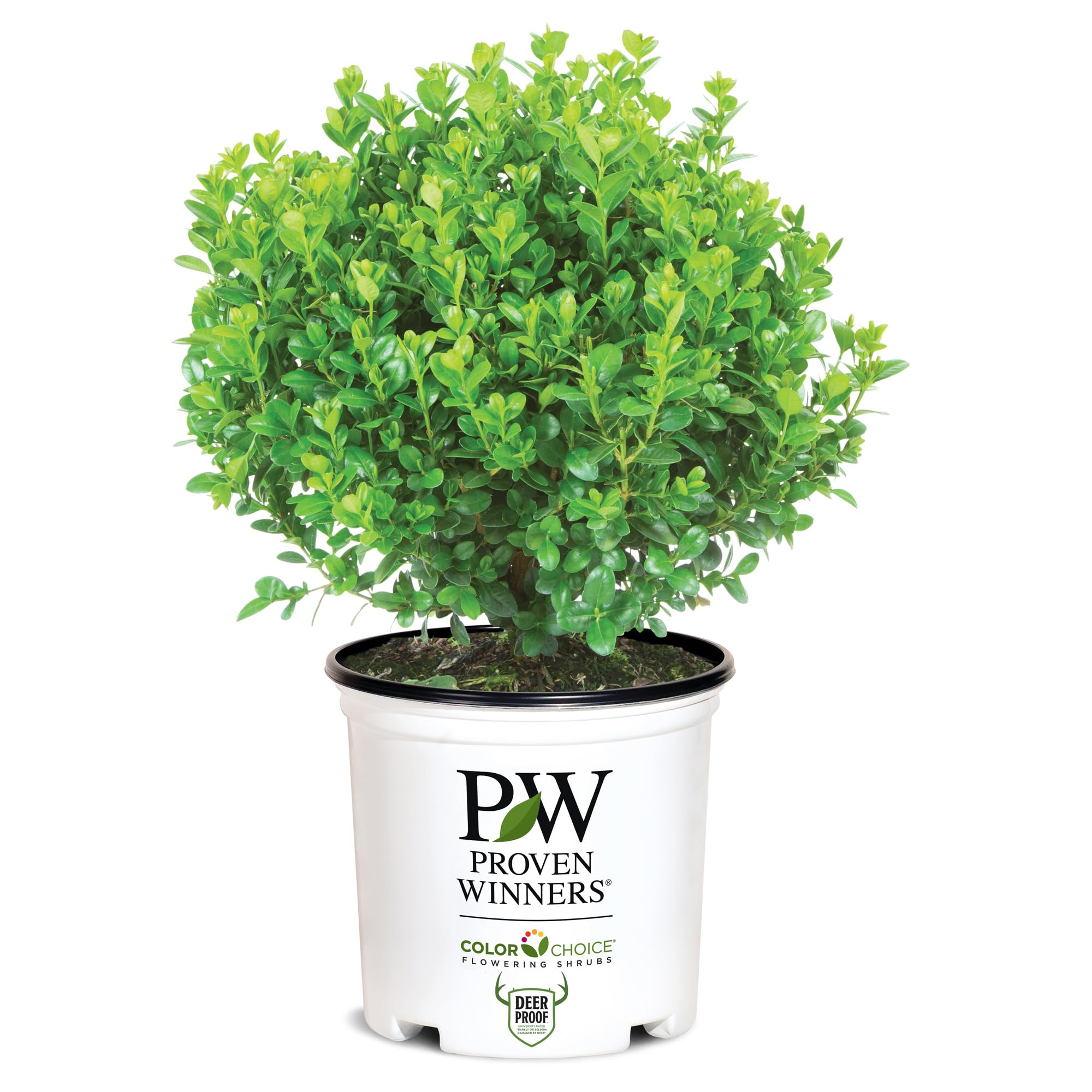
The boxwood that grows fast enough to shape into topiaries within a single season.
This Sprinter boxwood is the speed pick for impatient gardeners. It matures at 24-48 inches wide and tall, and it’s vigorous enough that owners mention shaping it into topiaries shortly after planting. One reviewer noted their shrubs are “thriving on our sunny deck” in containers, which makes this a versatile choice for both beds and pots.
Buyers describe the arrival as “full, green, healthy, and perfect in size”—exactly what you want to hear before putting a plant in the ground. The quality and health are the most-praised traits, with owners noting new growth appearing within days. It’s hardy to zones 5-9 and grows in full shade to part sun, giving you flexibility on placement.
The size complaints are real but manageable. Some owners feel the actual plant doesn’t match the advertised pictures, with one noting an 8-inch plant in a pot that seemed smaller than a true 2-gallon. It’s a fast grower, so it will fill out, but don’t expect showroom fullness on day one.
The wins
- Fast enough to shape into topiaries quickly
- Thrives in containers on a sunny deck
- Tolerates full shade to part sun
The watch-outs
- Arriving size may be smaller than photos suggest
- Needs a season to reach full density
Grab this for: container gardens and fast-forming hedges where you want visible growth within weeks.
Hold off if: you need a mature, photo-ready look immediately—this one grows into it.
5. Southern Living 2 Gal. Blush Pink Nandina Shrub
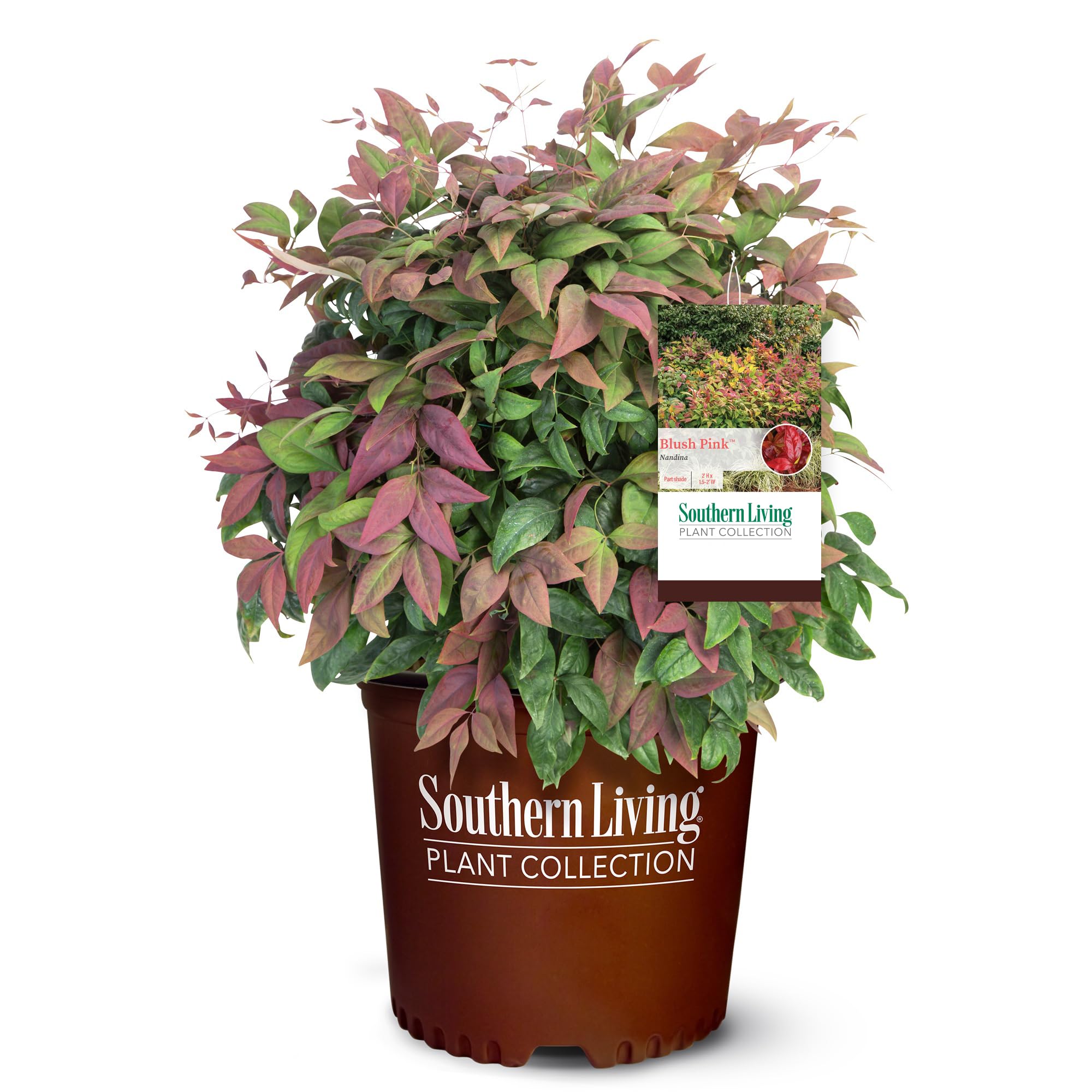
The fine-textured evergreen that brings blush-pink color to shady corners deer love to visit.
This nandina is the pick for problem spots where deer roam and shade dominates. Buyers specifically note it’s deer and rabbit resistant, and it thrives in partial shade where many evergreens struggle. At a mature 24 inches wide by 60 inches tall, it’s a compact, dwarf habit that works as a hedge, accent, or container plant.
The health on arrival is the standout trait, with owners describing plants as generously sized with root balls that weren’t compacted. One buyer planted three in fall and reported no shock or wilting, then placed a second order. The foliage color—blush pink and red—holds through the seasons, making it a four-season interest plant.
The catch is pot size honesty. One owner noted their plant arrived not fully rooted in the pot, suggesting it was a 1-gallon plant repotted into a 2-gallon liner. It’s still healthy and worth planting, but it may not be as mature as the container suggests.
What wins people over: deer resistance, partial-shade tolerance, and the blush-pink foliage that adds color without blooms.
The honest note: a few shipments look like smaller plants in bigger pots, so expect to grow into the size.
Perfect for: shaded yards with deer pressure where you want year-round fine-textured color.
Not for: anyone who needs a guaranteed mature 2-gallon plant on arrival.
6. American Plant Exchange Live Dwarf Jade Tree, Miniature Bonsai Tree, 6″ Pot

A desktop-sized evergreen that forgives missed waterings and thrives in bright indoor light.
This is the only true indoor option on the list, and it’s a different kind of evergreen altogether. The Dwarf Jade (Portulacaria afra) stores water in its thick leaves, so it shrugs off drought and busy schedules. In a 6-inch pot, it sits perfectly on a windowsill or desk, where it wants bright, indirect sunlight.
Owners who repotted it into a bonsai pot reported it thriving with a mix of the original soil and bonsai soil plus fertilizer. The miniature scale is the appeal—you get the majesty of a full tree in a pint-sized package. It’s also a symbol of prosperity and good luck in several cultures, making it a thoughtful gift.
The risk with this one is shipping stress. While many plants arrive healthy, a notable number arrive with leaves dropped or branches broken, and the 4-pound weight suggests a delicate structure. It’s a gorgeous plant when it travels well, but you’re taking a chance on the courier.
Why it stands out
- Drought-tolerant leaves store water for busy owners
- Perfect for desktops and windowsills
- Can be trained as a bonsai
The risk
- Shipping can cause leaf drop or broken branches
- Some pots arrive damaged
Best for: indoor gardeners who want a low-maintenance living sculpture that survives forgetful watering.
Be cautious if: you need a guaranteed-perfect arrival—shipping is the wildcard here.
7. Pieris jap. ‘Cavatine’ (Cavatine Dwarf Andromeda) Evergreen, #2 – Size Container

The tightly mounded evergreen that deer completely ignore, even in a brutal winter.
If deer are the nemesis of your garden, this andromeda is your answer. One owner in a hard NY zone 7a winter reported the plant was “untouched by the extremely destructive, heavy deer pressure.” That’s a rare superpower in the evergreen world, and it pairs with a tight growth habit that matures to just 2-3 feet—much denser than traditional andromeda.
In April, white bell-like flowers appear, adding a spring moment to a shrub that’s otherwise valued for its compact form. It grows best in partial shade, making it a fit for woodland edges or the north side of a house. At 5 pounds, it’s light enough to place easily.
The quality is consistently praised, with owners describing well-packaged, healthy plants that put out new growth quickly. The one caution is shipping—a single owner reported their plant arrived upside down in the box and battered, though they remained hopeful it would survive. It’s an occasional risk with live plants, not a pattern.
What wins people over: deer resistance that held even under extreme winter pressure, plus a tidy 2-3 foot mature size.
The watch-out: transport can be rough occasionally—inspect the box orientation on arrival.
Pick this if: deer roam your yard and you want a compact evergreen that blooms in spring.
it’s not for you if: you need a full-sun shrub—this prefers partial shade.
8. Purple Daydream Loropetalum, 1 Gallon, Compact Evergreen Bush with Pink Spring Flowers
A true dwarf that tops out at 2 feet, so it never outgrows its corner of the bed.
This is the genuinely small dwarf of the group. Maturing at just 2 feet tall, it’s perfect for tight borders, container gardens, and small-space landscaping where every inch counts. Its neat mounding habit keeps it tidy without constant pruning, and the dark purple foliage holds its color through all four seasons.
In spring, dark pink string-like flowers appear for a vibrant seasonal show. The plant is drought-tolerant and naturally deer-resistant, so it asks very little of you while delivering maximum visual impact. It thrives in both full sun and partial shade, adapting to wherever you need color.
Buyers describe it as “beautiful, weather hearty, and growing strong,” with one owner reordering to unify their front yard after the first batch thrived. The health and growth are the most-praised traits, with owners noting plants arrived fresh even during heat dome storms. The single 1-star review is an outlier with no detail, so treat it as a fluke, not a pattern.
What wins people over: the true 2-foot dwarf size that fits small spaces and the purple foliage that never fades.
The fit note: this is a 1-gallon plant, so start it in the ground and let it establish.
Choose this for: small borders and container gardens where a 2-foot purple mound fits perfectly.
Look elsewhere if: you want a taller specimen—this one stays deliberately low.
9. Picea glauca ‘Conica’ (Dwarf Alberta Spruce) Evergreen, #2 – Size Container

The classic conical spruce that brings a formal, evergreen accent to even the coldest yards.
For cold-climate gardeners, this is the iconic dwarf evergreen. Hardy to zones 3-8, it laughs at winters that would kill most shrubs on this list. Its slow growth and rugged dependability make it a low-maintenance anchor plant that matures to 6-8 feet tall with a 3-4 foot spread—narrow enough for tight corners and formal entries.
Owners love it as a Christmas tree alternative, with one buying the size 2 option during a tree shortage and receiving a tree about 26 inches tall. The quality is the most-praised trait, with buyers describing the trees as “beautiful, full and healthy” and better quality than what they’d find at local stores. The very green foliage stays vibrant year-round.
The health feedback is genuinely mixed, though. While many report thriving trees with new growth, a few had trees brown and drop needles within days, often after being left in the sun on a porch. The slow grower demands a little care during establishment—water it consistently and don’t let the pot bake in direct sun.
Why it’s a classic
- Hardy to zone 3, the coldest rating here
- Narrow 3-4 foot spread fits tight spaces
- Excellent quality vs. local nurseries
Care needed
- Some trees brown out if left in hot sun after arrival
- Slow growth means patience for full size
Best for: cold-climate yards needing a formal, evergreen focal point that stays narrow.
Be careful if: you can’t commit to watering during establishment—this one punishes neglect early on.
Understanding the Specs
Mature Height and Spread
This is the single most important number on any evergreen tag. A “dwarf” label can still mean 12 feet tall (the Blue Princess holly) or a true 2 feet (the Purple Daydream). Measure your planting spot, then check the mature dimensions before you buy. The pot size at purchase tells you almost nothing about final size.
USDA Hardiness Zones
This number tells you the coldest climate a plant can survive. The Dwarf Alberta Spruce handles zones 3-8, while the Jazz Hands Loropetalum needs zones 7-9. Plant outside its range and you’re gambling on winter survival. Check your zone first, then narrow your choices to plants that match it.
Pollination Requirements
Some evergreens, like the Blue Princess holly, need a male pollinator nearby to produce berries. If winter color is your goal, you must plant both male and female varieties. Others, like boxwoods and loropetalums, need no pollinator at all—they’re reliable on their own.
Growth Rate and Habit
The Sprinter boxwood grows fast enough to shape into topiaries in one season, while the Dwarf Alberta Spruce is famously slow. Fast growers fill in quickly but need more pruning; slow growers stay tidy but demand patience. Match the growth rate to how quickly you want your landscape to mature.
FAQ
How big do dwarf evergreens actually get?
Will a Blue Princess holly produce berries without another plant nearby?
What is the best dwarf evergreen for cold climates?
Can dwarf evergreens grow in containers?
Which dwarf evergreens resist deer?
How long does a dwarf evergreen take to reach full size?
What does a #2 or #3 size container mean?
Can I plant a dwarf evergreen immediately when it arrives?
Do dwarf evergreens lose their leaves in winter?
What is the difference between a loropetalum and a boxwood?
Final Thoughts: The Verdict
Across the board, the dwarf evergreens winner is the Blue Princess Holly because it delivers glossy, spine-free foliage and winter berries in a plant healthy enough to plant the day it arrives. If you want fast-growing structure for containers or hedging, the Sprinter Boxwood shapes up within a single season. And for cold-climate formality, the Dwarf Alberta Spruce brings classic conical structure that survives zones 3-8 with ease.
How We Picked
We do not accept paid placement. Every pick is matched to a real buyer and a real use-case; we do not hands-on test units.
Sources & Methodology
Specifications: manufacturer listings and product documentation. Review insights: verified customer reviews, as of August 2026. Pricing: not shown on this page (it changes often); check the current price via the retailer link.
As an Amazon Associate, WellFizz earns from qualifying purchases. This does not affect which products we feature.
Related Guides

Mo Maruf
I created WellFizz to bridge the gap between vague wellness advice and actionable solutions. My mission is simple: to decode the research and give you practical tools you can actually use.
Beyond the data, I am a passionate traveler. I believe that stepping away from the screen to explore new environments is essential for mental clarity and physical vitality.