Our readers keep the lights on and my smoothie glass nicely filled. As an Amazon Associate, I earn from qualifying purchases.
Specs are compiled from manufacturer listings and verified buyer reviews and can change over time — please confirm the key details on the product page before buying.
You want a raincoat that keeps you dry without feeling like a tent. The fabric you choose decides that trade-off. A heavy 1000-denier nylon (a thick, tough weave) blocks the worst storms but feels stiff and heavy, like armor. A featherweight 40D ripstop (a thin, tear-resistant nylon) folds down tiny for emergencies but needs gentle care. This guide compares the waterproof options—from ultralight silnylon (a coated nylon that packs small) to PVC-backed canvas (a stiff, fully waterproof cotton)—so you can pick the right one for your project, whether that is a daily commuter coat or an emergency packable poncho.
I’m Mohammad Maruf — the founder and writer behind WellFizz. This guide is built by comparing the manufacturers’ published specifications and the patterns across verified customer reviews, so you get each pick’s real strengths and trade-offs instead of marketing spin.
Find out which fabric for raincoat suits your sewing skill, your climate, and the kind of rain you actually face.
Our Picks at a Glance

How To Choose The Best Fabric For Raincoat
Your raincoat fabric has one job—keep water out—but it does that job in very different ways depending on its weight, weave, and coating. Before you pick a yardage, you need to decide what kind of rain protection you are really building.
Match the denier to your use
The denier number is the thickness of the individual yarn threads. A low number like 20D or 40D means a fine, light, packable fabric ideal for a hiking poncho you carry in your bag. A high number like 1000D means a burly, tough shell that resists abrasion but is heavier and stiffer to wear all day.
Pick your waterproofing chemistry
A fabric is only as waterproof as its coating. PU (polyurethane) coatings are common, flexible, and sewable. PVC (polyvinyl chloride) backing adds serious durability and blocks light, and silicone coatings make fabric ultralight and highly water-repellent.
Quick Comparison
| Model | Best For | Denier | Length | Coating | Amazon |
|---|---|---|---|---|---|
| 9KM DWLIFE Nylon Ripstop★ Best Overall | Light packable shells | 40D | 196 inches | PU | Amazon |
| OsoCozy PULSoft Shell Pick | Soft, breathable gear | — | 39.4 inches | Laminate | Amazon |
| 1000 Denier NylonTough Pick | Heavy-duty workwear | 1000D | 36 inches | PU + DWR | Amazon |
| 600D Waterproof Canvas | Awning-style covers | 600D | 36 inches | PVC | Amazon |
| 600D Canvas Oxford | Rain-shedding upholstery | 600D | 36 inches | PVC | Amazon |
| VIZALO 100x200D Nylon | Raincoat shells | 100x200D | 108 inches | PU | Amazon |
| Emma Kites 20D Silnylon | Ultralight ponchos | 20D | 108 inches | Silicone | Amazon |
| 40D Ripstop Multi-Pack | Colorful small projects | 40D | 36 inches | — | Amazon |
In-Depth Reviews
1. 9KM DWLIFE Nylon Ripstop Fabric
Our pick — over 4.5★ from 250+ verified ratings; the strongest balance of quality and price.
The ultralight ripstop that disappears into your pack until the sky opens up.
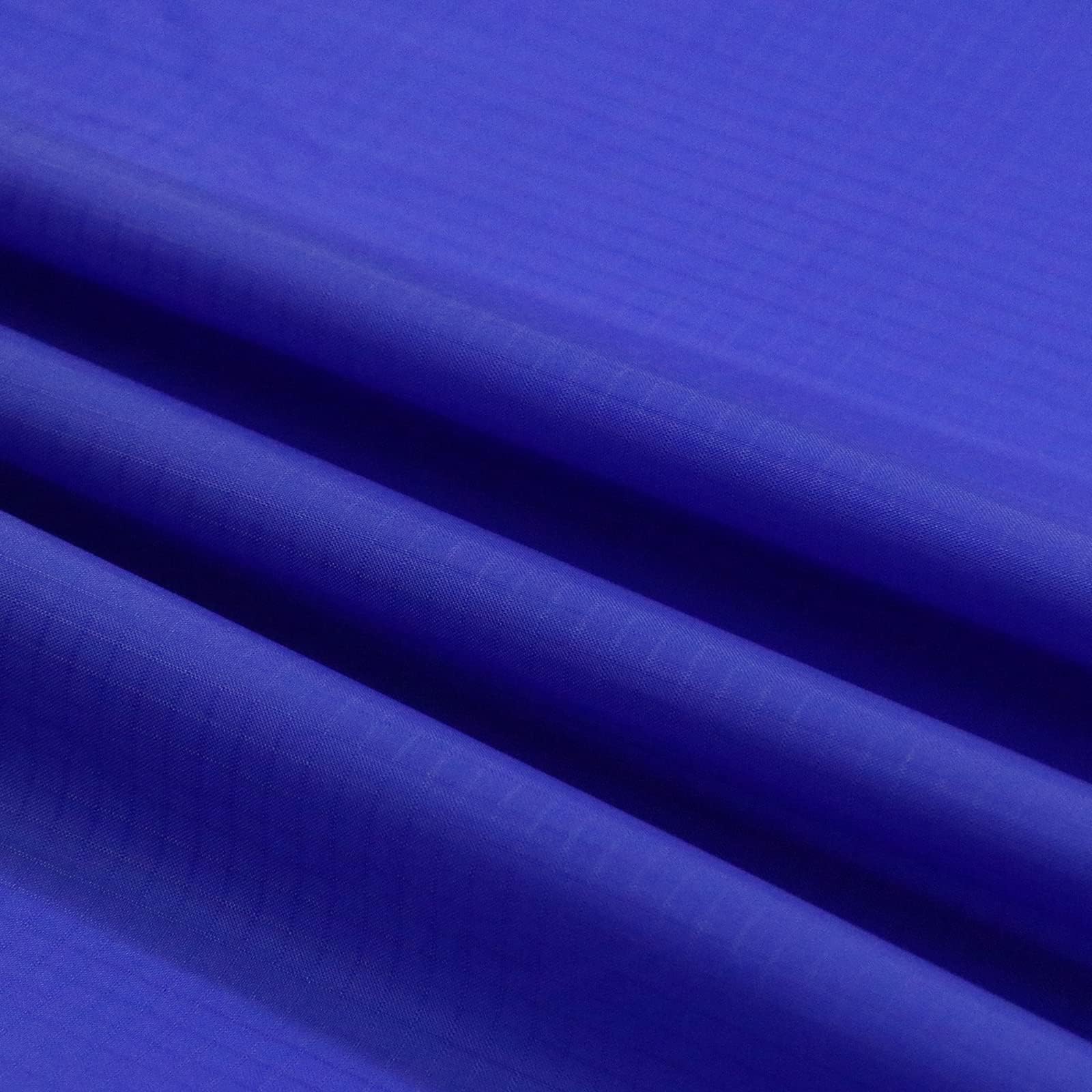
At 48g/m², this 40D ripstop nylon is 30% lighter than standard fabrics—meaning your finished raincoat adds almost nothing to your bag. The interwoven crosshatch reinforcement yarns stop small tears from growing into long rips, and the PU coating delivers 1000mm waterproof protection that handles a moderate downpour.
Buyers report it cuts cleanly with ordinary fabric scissors and never frays, and the vivid royal blue holds its color thanks to a UV-resistant coating. The long 196-inch roll gives you far more material to work with than a single yard, at roughly five times the length of the heavy-duty option below.
What wins people over is the material itself—the most-cited praise—paired with those bright colors. Durability gets mixed feedback, which makes sense for a featherweight shell: it is built for lightness first, not for crawling along abrasive ground.
What wins people over
- Ultralight at 48g/m², ideal for packable gear
- 1000mm PU waterproofing shrugs off moderate rain
- Ripstop weave stops tears from spreading
Keep in mind
- Not built for heavy abrasion or rough terrain
- Iron only below 120°C to avoid melting
Reach for this if: you want a featherweight, packable shell fabric that still stops rain and tears.
Look elsewhere if: your raincoat needs to survive scrapes against rocks and concrete—this one prioritizes lightness over toughness.
2. OsoCozy Waterproof PUL Fabric
A supple laminate that keeps water out without the crinkle of traditional rain shells.
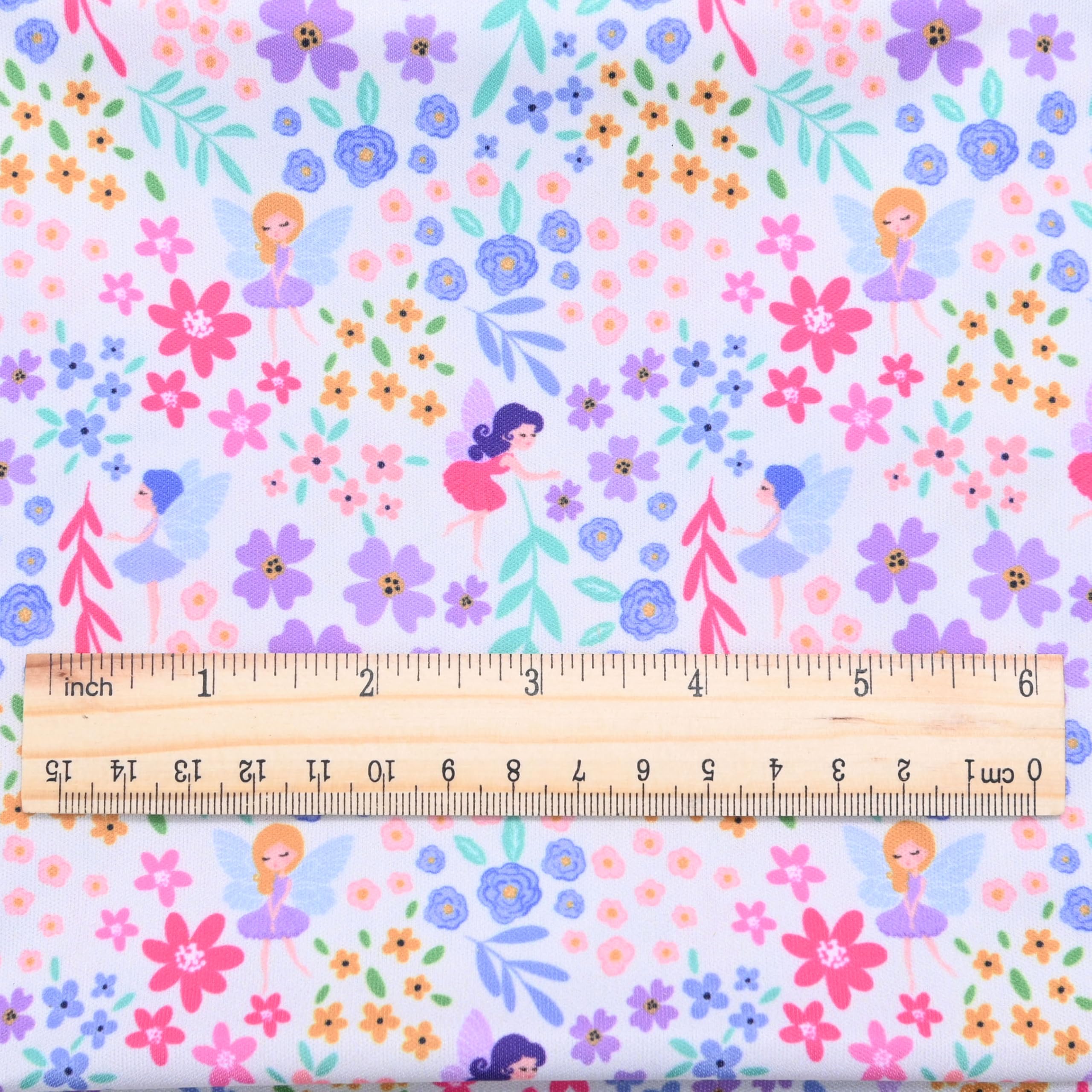
This polyurethane laminate (PUL—a fabric bonded to a waterproof film) delivers reliable waterproofing while staying soft and flexible against your skin. The breathable laminate reduces heat buildup, and the soft knit backing makes it forgiving for beginners at the machine, unlike stiffer canvas options.
Owners mention it cuts and sews up very nicely, and the 59-inch width gives you more usable material per piece than a standard 36-inch cut. Machine washing and drying at any temperature means your finished rain gear is genuinely easy to maintain, though you should skip chlorine bleach, irons, and fabric softener.
The biggest praise is fabric quality—with waterproofing and ease of use close behind. One owner turned it into a pillow cover for an incontinent dog, wiping it clean instead of laundering the whole bed, proof of how practical this material is for everyday waterproof needs.
Why it stands out: the soft, quiet feel is rare in waterproof fabric, and the extra-wide 59-inch cut reduces seams on bigger projects.
The trade-off: you will need special sewing needles, and the Fairy Garden print is on the fabric side while the white waterproof backing sits on the reverse.
3. 1000 Denier Nylon Fabric
A military-grade shell that treats a raincoat like body armor.
This 1000-denier nylon is the heavyweight of the group—25 times the yarn thickness of the 40D ripstop above—and it feels every bit that tough. A polyurethane coating combined with a durable water repellent (DWR) finish makes it a top choice for rugged outdoor use, and it is cut here to a single linear yard.
The durability is the headline: it is the second-most-praised attribute, and customers note it lasts months on a carpenter’s knees and pants hems, taking stitches well without leaving big needle holes. It sews cleanly and handles snow, water, and salt without complaint.
This is not a fabric for a dainty fashion raincoat—it is a rugged workhorse for dog booties, heavy-duty covers, and outdoor gear that gets dragged across concrete. The trade-off is a stiff, burly hand-feel and the need for a strong sewing machine, plus one reviewer noted their cut needed squaring up.
Where it shines
- Extreme tear and abrasion resistance
- Water-resistant with a durable DWR finish
- Flexible enough to take stitches cleanly
Where it does not
- Heavy and stiff for all-day wear
- Requires a strong sewing machine
Best suited to: anyone sewing gear that must survive rough contact—boot liners, heavy tarps, industrial-strength covers.
Not the pick for: a light, drape-friendly raincoat you plan to wear around town.
4. GoldWheel 600 Denier Waterproof Canvas
Canvas that doubles as a rain shield and a sun blocker.
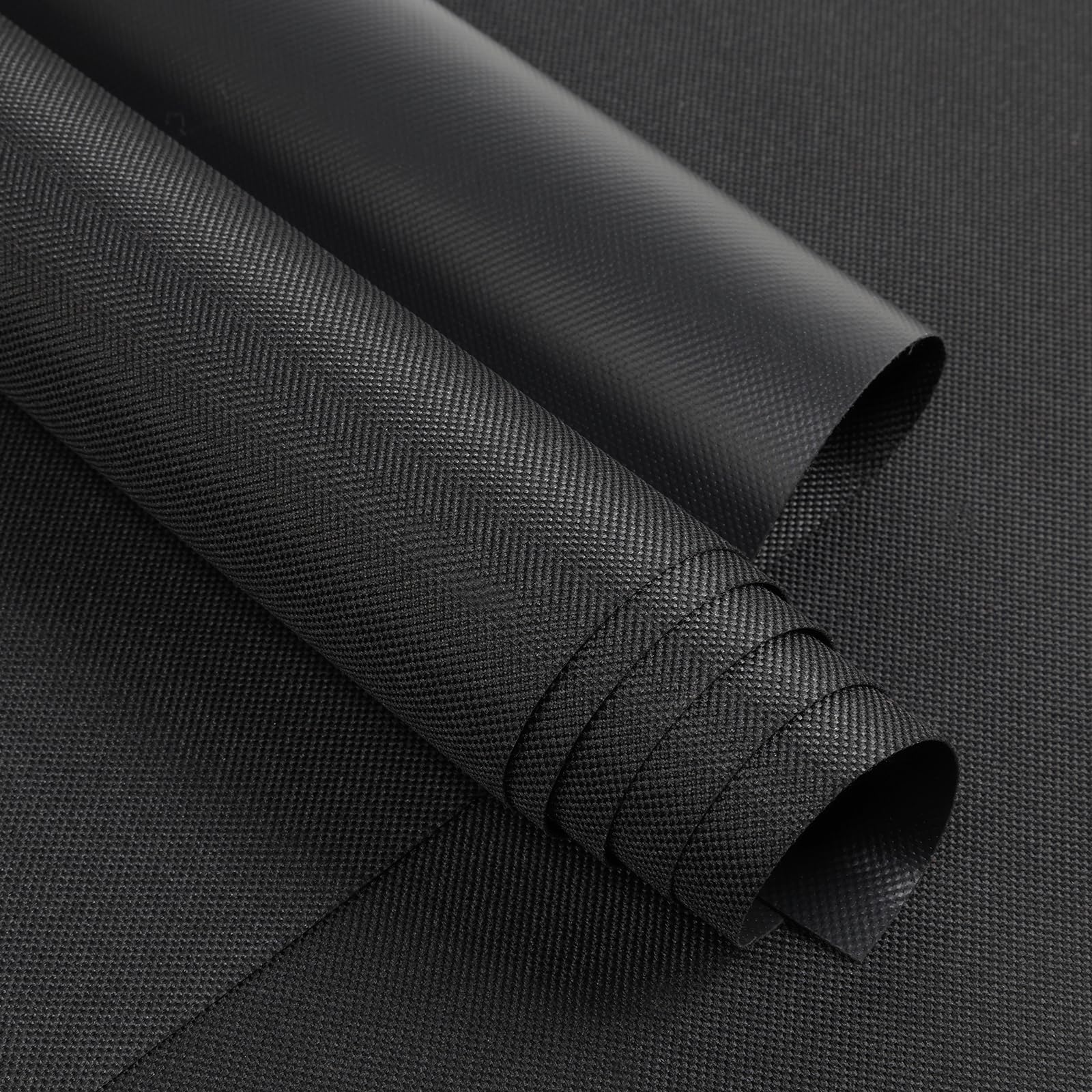
This 600 x 600 denier polyester canvas with a PVC backing is built for outdoor structure more than for clothing. Its rip-stop coating on the back gives excellent waterproof and windproof properties while blocking light and reducing glare, making it a favorite for boat covers, awnings, and makeshift roofs.
Reviewers point out it blocked 100% of the light when used as magnet curtains for sleeping in a stock trailer at rodeos, and it kept the heat in. The quality is the most-praised aspect, though durability draws mixed feedback—it is very sturdy for structure work, but a few owners found it could rip after heavy use.
The PVC backing makes it resistant to stains, UV, stretching, and fading, but it also gives the fabric a paper-like stiffness in places. This is a material for a fixed awning or cover, not for a garment you move around in.
Its calling card: rugged all-weather canvas that creates genuine shade while keeping rain out.
The honest catch: it feels stiffer than true garment fabric, and longevity varies with how hard you treat it.
5. TOPANGATC 600 Denier Waterproof Canvas

A 600D oxford that makes water bead off like glass while staying flexible enough to fold.
This 600 x 600 denier polyester oxford with a PVC backing is engineered for projects that need dependable rain protection—furniture covers, canopies, tents, and bags. Shoppers say water beads off like glass, and it proved rainproof over six months of camping when glued over an existing RV top.
The fabric’s quality and waterproofing are its top two strengths, and it survives repeated chlorinated pool exposure without wear, per a buyer who used it as a swim platform top. It attaches easily to frames with binder clips and passed a heavy rain test in a backyard patio swing setup.
This is the more flexible cousin to the other 600D canvas, holding up well to folding and unfolding for months, though durability still reads as mixed in the review data. It is a strong mid-weight choice for a rain cover or a bag that needs to shed weather.
The winning trait: water-beading performance that holds up through repeated folding, unfolding, and camping trips.
The watch-out: like any PVC-backed material, it can show UV fading over time in direct sun.
6. VIZALO 100x200D Nylon Fabric
A firm nylon that sews into a crisp, structured raincoat without the floppy feel.
This 100 x 200 denier plain-weave nylon with a PU-coated backing sits in a sweet middle zone—heavier and more stable than a featherweight ripstop, but softer and more flexible than a PVC-laminated canvas. Its water-repellent treatment keeps the surface smooth and easy to clean.
Buyers report it has a firm feel without being too stiff, and notably, it does not fray like other nylons they have tried—a real advantage when you are cutting a garment pattern. The 108-inch length gives you three yards to work with, enough for a full coat shell.
The recipe for a raincoat—light, water-repellent, durable, and sewable—is all here, which is exactly why it lists raincoat shells as a primary use. It irons easily and dries fast with low water absorption.
Why it works for clothing: the firm-but-flexible hand feels tailored rather than crinkly, and it does not fray on the cut edge.
Its limit: this is water-repellent rather than being a heavy-duty waterproof layer, so it best suits a shell over a separate insulating layer.
7. Emma Kites 20D Silnylon Fabric

The 1.2-ounce silnylon that stuffs down to nothing and still sheds a serious storm.
Weighing just 1.2 oz per square yard (42 gm²), this 20D ripstop nylon is treated with a silicone-impregnated coating on both sides and between the fibers, earning a waterproof rating above 3000mm hydrostatic head. That makes it a standout for ponchos, rainflys, and pack covers where every gram counts.
The silicone coating does double duty: it makes the fabric shed water well—owners mention it sheds water reliably—and it keeps cut edges from fraying while reinforced mini-grids stop tears from expanding. It is a favorite for backpacking, camping, and mountaineering projects.
The catch is that silnylon is slippery and a bit tricky to work with at the machine; sewability gets mixed feedback. And because it is so light, it is not the fabric for a structured daily commuter coat—it is for ultralight adventures where pack size rules.
The magic
- Featherweight 1.2 oz/yd² packs down tiny
- Over 3000mm waterproof rating for real storms
- Cut edges resist fraying
The friction
- Slippery surface is trickier to sew
- Too delicate for rough, abrasive use
Choose it for: ultralight ponchos and rainflys where every ounce in your pack matters.
skip it if: you want a structured coat fabric that takes abuse—this one trades toughness for minimal weight.
8. C COMCROSFLY 40D Ripstop Multi-Pack

Eight vivid 40D panels that turn a single rain project into a rainbow of options.
This is the budget-friendly way to experiment with raincoat construction: a single yard of waterproof ripstop nylon in eight different colors, each 36 by 59 inches, so you can test patterns or make a color-blocked shell. Each piece weighs 1.76 oz (50g), keeping the total haul light.
Customers note vibrant colors and easy cutting and sewing, with a woven fiber pattern that resists tearing and makes the fabric strong for kites and flags. The color and fabric quality are the two most-praised traits, and the set is a strong value for the money.
The honest trade-off is that these are thin and a bit slippery—some owners found them hard to sew at first and wished they were thicker to prevent show-through. They work beautifully for small projects, but for a full-size structured coat you may want a heavier single-yardage.
Why grab it: you get eight colors in a single yardage purchase, so you can sample shades or sew color-blocked gear without buying eight separate rolls.
Know before buying: thin and slippery under the needle, and you may need two layers to avoid see-through.
Understanding the Specs
Denier (D)
The weight of the yarn threads, best understood as a toughness scale. Low numbers (20D, 40D) mean fine, featherlight fabric that packs tiny but needs care. High numbers (600D, 1000D) mean burly, abrasion-resistant material that shrugs off rough contact but feels heavier and stiffer on the body.
Waterproofing coatings
PU (polyurethane) coatings add flexible waterproofing and are easy to sew. PVC (polyvinyl chloride) backing makes fabric extremely durable and light-blocking but stiffer. Silicone coatings like silnylon make fabric ultralight, highly water-repellent, and very packable, but slippery to work with.
Ripstop weave
A crosshatch grid of reinforcement yarns woven into the fabric that stops a small tear from growing into a long rip. This is the single most valuable feature for outdoor rain gear, where a snag on a branch can otherwise ruin a shell instantly.
Waterproof vs. water-resistant
Waterproof means water cannot pass through under normal rain pressure—think PU or PVC coated fabrics. Water-resistant means water beads off and sheds quickly but will soak through in heavy or prolonged rain. For a true raincoat, look for the word waterproof.
FAQ
What is the best fabric for a raincoat?
What does the denier number mean for raincoat fabric?
Is nylon or polyester better for a raincoat?
Can I sew a raincoat from these waterproof fabrics at home?
How do I iron waterproof fabric without damaging it?
Is PUL fabric good for a raincoat?
What is silnylon and is it waterproof?
How much fabric do I need for a raincoat?
Why does ripstop fabric resist tearing better?
Are these fabrics machine washable?
Final Thoughts: The Verdict
For most people, the fabric for raincoat winner is the 9KM DWLIFE Nylon Ripstop because it delivers the best balance of ultralight weight, real 1000mm waterproofing, and a generous yardage at a mid-range price. If you want a soft, breathable shell that is easy to wash, grab the OsoCozy PUL. And for a rugged coat that survives real abuse, the 1000 Denier Nylon is the one to reach for.
How We Picked
We do not accept paid placement. Every pick is matched to a real buyer and a real use-case; we do not hands-on test units.
Sources & Methodology
Specifications: manufacturer listings and product documentation. Review insights: verified customer reviews, as of August 2026. Pricing: not shown on this page (it changes often); check the current price via the retailer link.
As an Amazon Associate, WellFizz earns from qualifying purchases. This does not affect which products we feature.
Related Guides

Mo Maruf
I created WellFizz to bridge the gap between vague wellness advice and actionable solutions. My mission is simple: to decode the research and give you practical tools you can actually use.
Beyond the data, I am a passionate traveler. I believe that stepping away from the screen to explore new environments is essential for mental clarity and physical vitality.