Our readers keep the lights on and my smoothie glass nicely filled. As an Amazon Associate, I earn from qualifying purchases.
Specs are compiled from manufacturer listings and verified buyer reviews and can change over time — please confirm the key details on the product page before buying.
Choosing the right fabric for upholstery is the difference between a dining chair that looks new for years and one that frays, fades, or feels wrong under your hands within months. The weave and fiber content dictate how the fabric cuts, sews, hides wear, and resists spills or sun. This guide breaks down the top performers across faux linen, canvas, velvet, and faux leather so you can match the weave to the room and the job.
I’m Mohammad Maruf — the founder and writer behind WellFizz. This guide is built by comparing the manufacturers’ published specifications and the patterns across verified customer reviews, so you get each pick’s real strengths and trade-offs instead of marketing spin.
Here are the standout choices for fabric for upholstery, from the heavy-duty canvas that shrugs off weather to the soft velvet that transforms a fussy antique frame into a showpiece you’ll want to touch every day.
Our Picks at a Glance
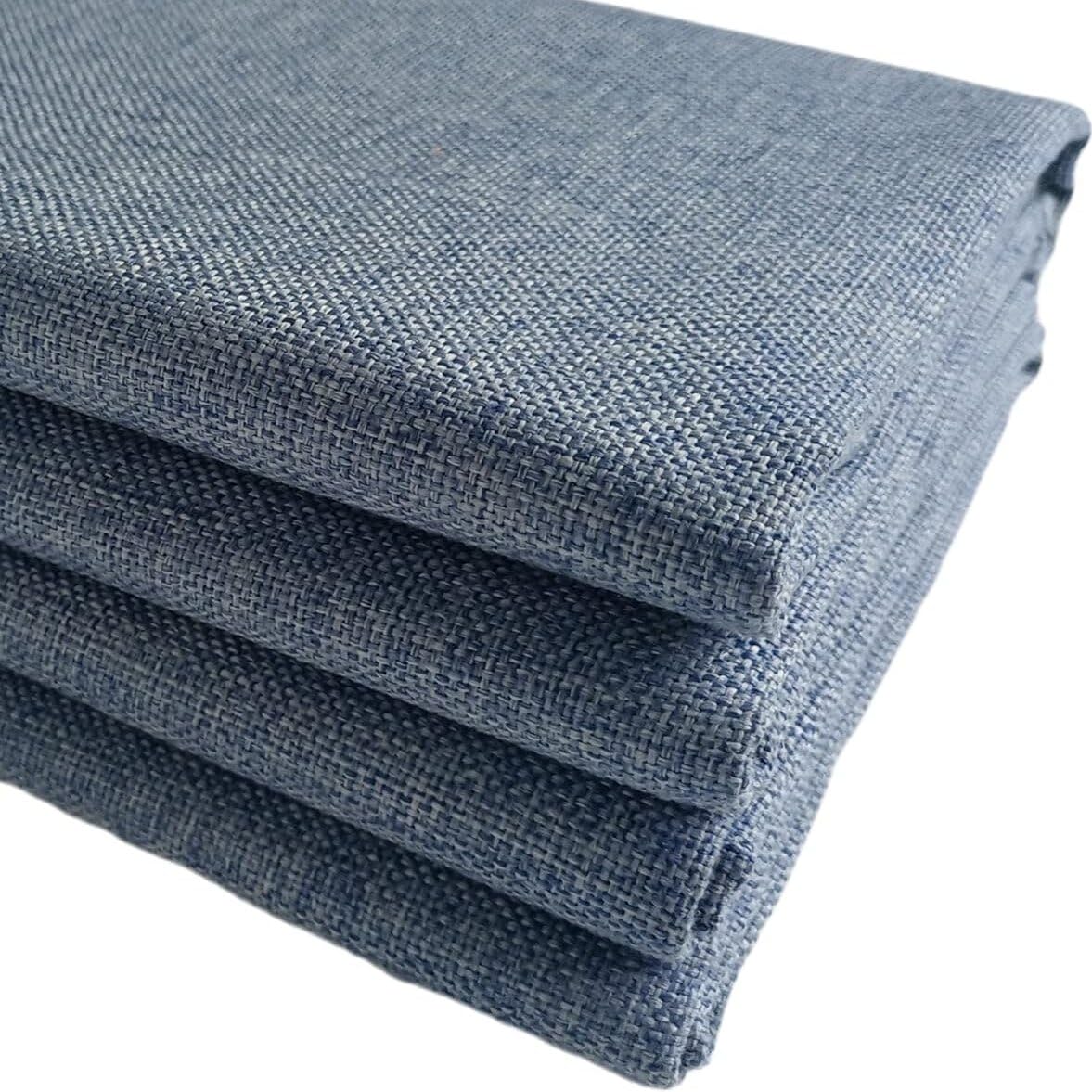
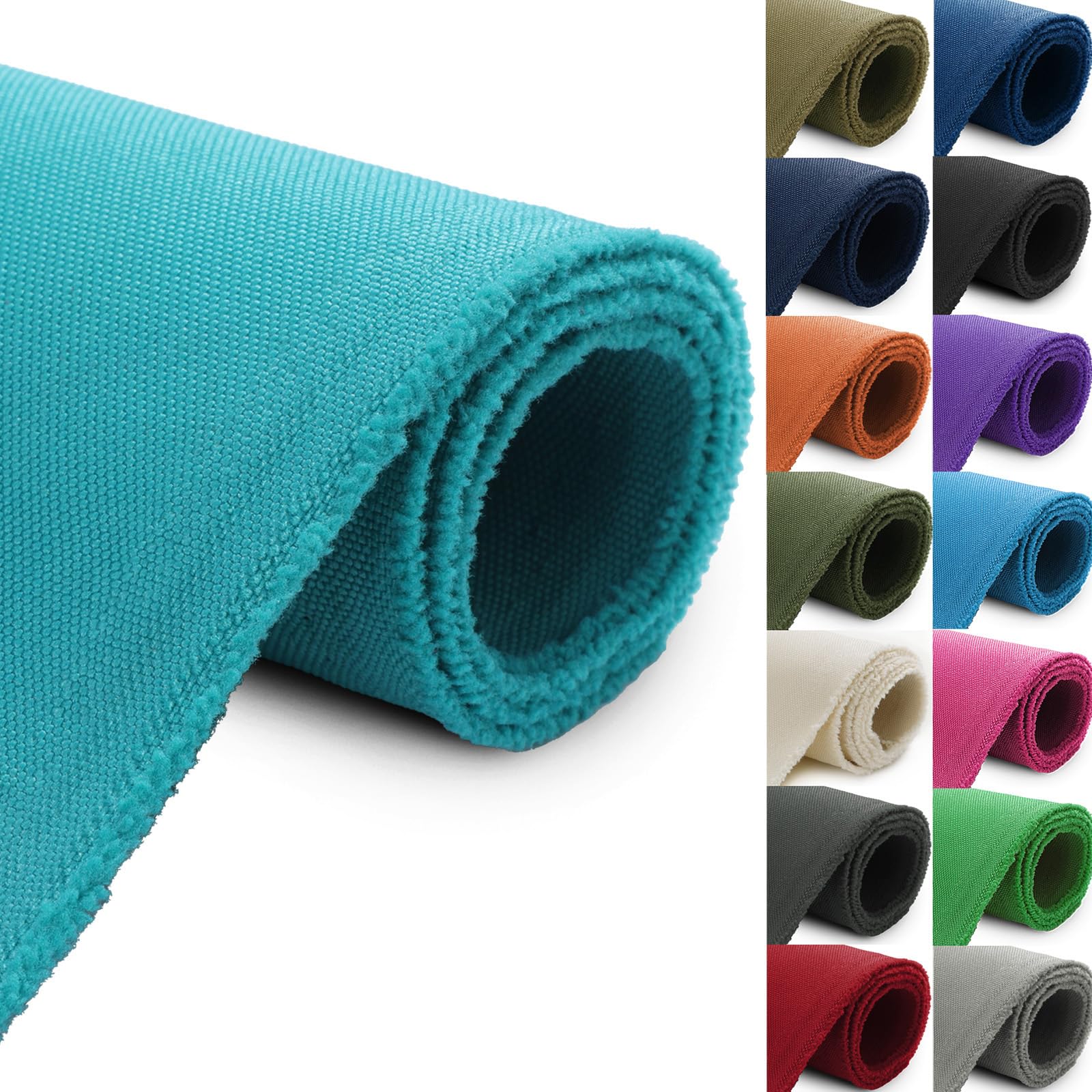

How To Choose The Best Fabric For Upholstery
Match the fabric to the room’s exposure, the wear it will face, and your sewing or stapling skill. A fabric that works on a bedroom headboard can fail on a patio bench that faces rain and direct sun.
Start With the Room, Then the Weave
Indoor pieces favor softness and looks, so faux linen and velvet excel there. Outdoor or high-traffic zones need tough weaves like canvas or marine vinyl that resist moisture, abrasion, and fading.
Turn Comfort Into a Spec
Feel comes from the fiber content and the backing layer. Faux leather often hides a soft cotton or fuzzy backing that wraps around seat foam smoothly, while canvas gains its toughness from a dense, high-thread-count weave. Look for the backing and the fiber content, not just the brand name.
Measure Twice, Cut Once
Fabric comes precut or by the yard, and width matters as much as length. A 54-inch width yields less usable area than a 58-inch one, so measure cushions and backs before ordering.
Quick Comparison
| Model | Best For | Width | Material | Care | Amazon |
|---|---|---|---|---|---|
| TinaKim Faux Linen★ Best Overall | Dining chairs & daily-use seats | 58″ | 100% Polyester | Machine Wash | Amazon |
| Konelia Waterproof CanvasOutdoor Pick | Outdoor cushions & patios | 58″ | 100% Polyester | Wipe Clean | Amazon |
| Fabric Empire Suede Cow PrintStyle Statement | Statement pieces & novelty looks | 54″ | 100% Polyester | Machine Wash | Amazon |
| Bobeey Faux Leather | Sofas, car seats & headboards | 54″ | Vinyl | Wet Cloth Only | Amazon |
| SARANDAVE Faux Leather | USA-made bar stools & crafts | 54″ | Faux Leather | Wipe Clean | Amazon |
| Butarfe Faux Leather | Versatile DIY & mid-weight projects | 54″ | PU Faux Leather | Wipe Clean | Amazon |
| TinaKim Velvet | Pillows, headboards & soft seating | 58″ | 100% Polyester | Machine Wash | Amazon |
| DAFUN Marine Vinyl | Boats, cars & heavy-duty trim | 54″ | Vinyl | Damp Cloth | Amazon |
| Sunbrella Outdoor Canvas | Premium patio & boat covers | 54″ | 100% Sunbrella® Acrylic | Easy Clean | Amazon |
In‑Depth Reviews
1. TinaKim Thick Upholstery Fabric, Faux Linen
Our pick — over 4.5★ from 700+ verified ratings; the strongest balance of quality and price.
The heavy-duty faux linen that makes a 20-year-old chair look factory-fresh again.
This is the crowd favorite for a simple reason: it brings the body and substance you want from upholstery fabric without the stiffness that makes sewing a chore. It is sturdy and does not fray, yet stays pliable enough to pull around seat cushions and curves. Owners have used it to reupholster dining chairs, barstools, a van driver’s seat, and even restore old train car seats, and the recurring verdict is that it simply holds up.
The toughness has a real track record behind it. Buyers report one project where a 20-year-old Steelcase chair was reupholstered and, after 6 months of daily use, still holds like new. The 100% polyester weave hides dust and light dirt from regular use, which makes it a sensible pick for seating that actually gets sat on. You can order it in 24 colors and 5 lengths (1, 2, 3, 6, or 10 yards) of rectangular fabric, and the piece arrives at 72 inches long by 58 inches wide.
Fabric quality is the thing everyone raves about — by a wide margin it is the most-praised aspect, with durability the second most-celebrated trait. The main trade-off is the color: a few owners found the delivered shade a little duller than the photos suggested, so if you need an exact match, order a small swatch first. It machine-washes clean, which is a rare convenience for an upholstery-grade fabric.
What wins people over
- Thick and heavy-duty without fraying at the cut edges
- Easy to cut and sew for first-time reupholstery projects
- Machine washable for simple upkeep
- Available in 24 colors and 5 yardage sizes
Before you buy
- Some shades arrive slightly duller than the listing photos
- A few owners wished the weave was even thicker
Reach for this if: you want one dependable fabric for dining chairs, barstools, or a van seat that will not fray and stands up to daily sitting — this is the most proven all-rounder here.
Look elsewhere if: you need a precise color match straight out of the bag, since the shade can run a touch quieter than pictured.
2. Konelia Waterproof Canvas Fabric, 1200D
A water-resistant 1200D canvas that takes on rain, patio sun, and the sewing machine without complaint.
When your cushions live outdoors, the fabric has to beat weather before it beats style. This 100% polyester canvas from Konelia is cut at 36 inches long by 58 inches wide, and its dense 300gsm weave shrugs off moisture thanks to a special waterproof coating. It is built with ripstop reinforcement, which means a small tear has a hard time growing into a big one.
The toughness is not just on paper. Owners have sewn this into patio cushion covers with a regular machine and a heavy-duty needle, and one replaced the back and seat of a director’s chair entirely. Because it resists fading, tearing, abrasion, and pressure, it holds up through real weather — the same owners mention it handles sun and rain well and mention UV protection as a bonus for outdoor use.
The material quality is the most-praised trait, with durability not far behind, and the waterproofing is the third most-celebrated feature. The honest caveats are the color and the weight: some buyers found the shade slightly off, and a few found the canvas a bit heavier and stiffer than they expected — the cost of that weather resistance. If the project is a soft, drapey look, this is not the fabric; if it is outdoor gear, it is exactly right.
Best for: patio cushions, outdoor chairs, director’s chairs, and any project that will face rain, sun, and hard daily use. At 36″L x 58″W it is more compact than the TinaKim above, which runs 72″L x 58″W.
The catch: it is stiffer than indoor fabrics, and the teal can read a little different in person than on screen.
3. Fabric Empire Suede Velvet Cow Print
The suede-soft cow print that fools the eye into seeing real hide at a glance.
This is the fabric you choose when the piece itself is the conversation. Made from 100% polyester fiber with a cow pattern and pastel color print, it pairs the look of genuine cowhide with the softness of suede. It comes 54 inches wide and weighs 1 lb per yard, with zero stretch — a feature that actually helps it lie flat and smooth on a seat.
The defining compliment across the reviews is the appearance: buyers consistently say it looks and feels remarkably close to real cowhide, and the material is soft to the touch without being flimsy. That durability verdict is backed by owners who expect it to hold for years. It is ideal for indoor upholstery, and owners have used it for dining chairs, office chair reupholstery, and bench tops.
Fabric quality is the most-praised aspect, with appearance second — and the two together explain its popularity. It machine-washes, which is a genuine plus for a novelty print you still want to keep clean.
Why it wins: no other fabric here fakes a natural hide this convincingly — owners describe it as “very easy to work with, soft to the touch and with a real cowhide appearance.”
Who it’s not for: anyone needing stretch or a solid, neutral color; this is a print-first pick at 16 ounces per piece.
4. Bobeey Faux Leather, Crazy Horse Texture

A soft, pliable vinyl with a 1.2 mm body that behaves like leather but sews like cloth.
Faux leather lives or dies on two things: how close it looks to the real thing and how easily it cooperates on the machine. This Bobeey offering nails both. It is 1.2 mm thick with a fuzzy fabric backing, which gives it the hand-feel of genuine hide while staying soft and pliable. The crazy horse texture gives it that worn-in, distressed character that hides scratches beautifully.
The most-praised quality is the material itself, with workability second — and the reviews explain why. Owners describe it as the easiest faux leather they have worked with, noting it sews easily by hand or machine, cuts cleanly with scissors, and does not fray at the edges. It has been used to recover a bench that kids and adults sit on daily, plus purses, table mats, headboards, and ottomans. A recurring note is that it has some stretch and pulls into shape as needed.
The flip side is that it wrinkles and creases easily, and it carries a smell when it first comes out of the bag — both common traits for this material type. It is not machine washable; you clean it with a wet cloth only. If your priority is an authentic leather look that takes daily abuse, this is the strongest value play among the leather-look options.
Reach for this if: you want a soft, scratch-hiding leather look for a bench, headboard, or car seat and you plan to sew it yourself — the workability is the standout.
Consider the trade-off: the initial smell and creasing bother some buyers, so air it out before you start cutting.
5. SARANDAVE Faux Leather Fabric, Cocoa
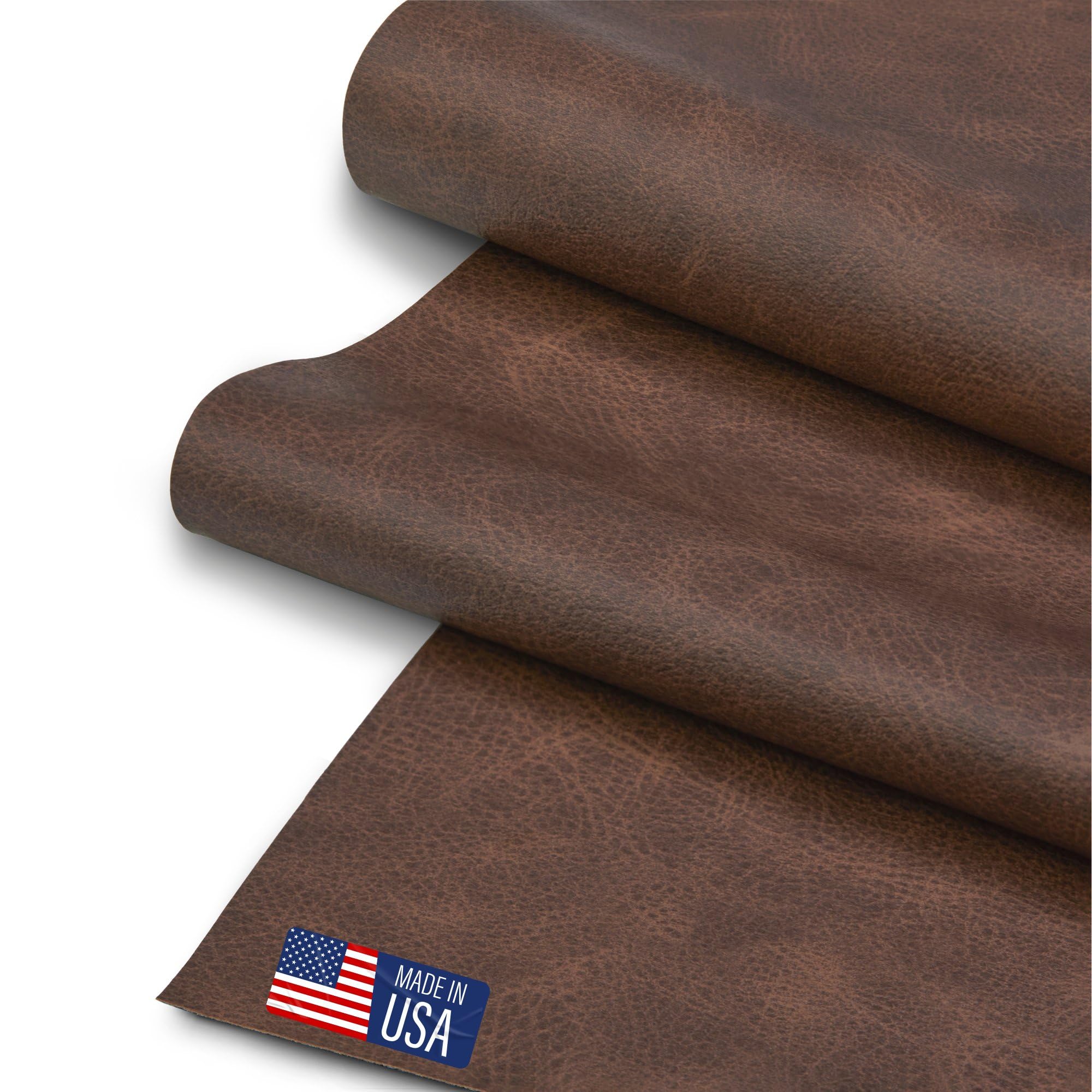
A proudly USA-made distressed vinyl with a rich, non-slick texture that feels like real leather.
This one earns its place on craftsmanship. It is made in the USA, and the reviews reflect that attention to detail — the distressed cocoa finish looks authentic, and the material is soft with a great texture. It comes as an individual 1-yard cut at 54 inches wide by 36 inches long, which makes it a convenient ready-to-use piece for a small chair, bar stools, or an antique radio speaker cover.
The most-praised aspect is overall quality, with appearance second. Owners find it thick and pleasant to work with, noting it is not slick at all and has decent stretch that helps it shape over curves. One reupholstered bar stools and found it easy to cut and shape, while another covered a vintage step stool. Because it sews and staples cleanly, it suits both experienced sewists and confident beginners.
The fair warning is thickness — it is genuinely split, with some buyers loving the heft and others finding it pretty thin. Fold creases are also common at first, though owners note sun exposure relaxes the lines in about an hour. If you want a rich, non-glossy leather look for furniture and you appreciate USA-made quality, this is a strong contender.
The standout: quality and appearance are the two most-mentioned traits, and the cocoa color gets consistent praise for looking rich and real.
Who should pass: anyone needing a heavy, structured hide — the split opinions on thickness mean this leans medium-weight.
6. Butarfe Faux Leather, Smooth Surface

A 2-yard PU leather cut that gives you room to breathe on bigger projects without the premium price.
This is the value play that actually delivers. You get 2 yards — 72 inches long by 54 inches wide — of PU synthetic leather with a waterproof coating, which is enough fabric to recover two dining chairs and a bar stool, as one owner did. The surface is smooth with a pebble-grain texture, and the high-density cotton backing keeps it breathable and easy to wrap around seat foam.
Quality is the most-praised trait, with softness second and value for money third. One owner tested it across consoles, armrest pads, and auto upholstery and gave those applications a thumbs-up, while flagging seat cushions and exterior marine use as the weak spots. That is a useful real-world boundary: this is an indoor and vehicle-interior fabric, not a marine-grade one.
The honest trade-offs are durability and creasing. Many find it durable, but some customers note seams tearing under stress, and creases are the most common complaint — they are hard to remove once set in the fold. It also has only a two-way stretch (it stretches in two directions, not four), which makes it harder to form around tight contours. For a soft, good-looking, budget-friendly leather for indoor DIY, this is tough to top.
Why it’s a value pick
- 2-yard cut covers chairs and bar stools in one order
- Waterproof and oil-proof surface wipes clean easily
- Soft, elastic feel with a pebble-grain texture
The honest limits
- Creases from folding are stubborn once set
- Seams can tear under heavy stress in some uses
Best for: indoor upholstery, auto interiors, and DIY craft where you want soft leather looks on a budget.
Think twice if: the piece faces heavy outdoor weather or needs to stretch around complex curves.
7. TinaKim Soft Upholstery Velvet

The medium-weight velvet that reupholstered a 100-year-old rocking chair into a sturdier, softer heirloom.
Some fabrics you pick for practicality; you pick this one for the way it feels. This 100% polyester velvet has a smooth finish with a soft touch and a natural light drape, and it carries just enough stiffness to hold its shape on a seat. It comes 58 inches wide by 72 inches long and is medium-weight — substantial but not heavy — and it is machine washable and dryable, which is rare for velvet.
The most-praised trait is quality, with appearance and softness close behind. Owners have used it to DIY kitchen chairs and reported the result came out better than the original manufacturer’s product, while another reupholstered a rocking chair over 100 years old and found it lovely to work with and sturdy. The reviews consistently note it does not shed at all, which is the usual dealbreaker with plush fabrics.
Here is the recurring caveat: the color can run lighter than the listing photos, so the blue or pink you see on screen may arrive a few shades paler. A few owners also flagged this as a factor for exact-match projects. If you want a soft, classy, no-shed velvet for pillows, headboards, or a statement chair, this delivers the high-end feel without the high-end price.
Why it stands out: owners call the no-shedding the quiet hero — plush velvet that does not leave fuzz on your clothes is a genuine rarity.
The caveat: order a swatch first; multiple buyers found the delivered shade lighter than expected.
8. DAFUN Marine Vinyl Faux Leather, 0.9 mm

A 0.9 mm marine vinyl that took a truck dashboard back to factory finish and still looks new.
When the job is a boat seat, a car interior, or any surface that faces serious abuse, this is the fabric you want. It is crafted from marine-grade vinyl with a high surface density that resists abrasion and scratches, and the back is lined with cotton velvet so it wraps around seats smoothly. It is 54 inches wide and this pre-cut piece runs a generous 108 inches long — enough for a full seat project.
The most-praised trait is quality, with material second. An owner reupholstered a Freightliner Cascadia dashboard and reported it matches the factory finish and still shows no peeling, bubbling, or cracking after months of daily use. Others have recovered barstool seats and ottomans, praising the realistic grain and how easily it stretches smooth. It cuts with scissors without fraying and sews by hand or machine.
The trade-offs are the ones you get with stiff marine vinyl: it has only a one-way stretch, which makes curved or complex shapes harder to cover, and creases from shipping can be stubborn. Some owners also found the color flatter than expected. If your project is a boat, vehicle, or any harsh-environment surface, the durability is worth the extra effort.
The verdict: this is the heavy-duty specialist of the list — factory-quality results on boats, dashboards, and barstools, with the texture that takes staples without ripping.
Who it’s not for: anyone covering round, deeply contoured pieces, since the one-way stretch limits how far it will pull.
9. Sunbrella Outdoor Canvas Fabric

The name-brand outdoor acrylic that resists sun, mold, and mildew — with the certification to prove it.
Sunbrella is the gold standard for outdoor fabric, and this listing comes straight from the official Sunbrella store. It is made from 100% Sunbrella® Acrylic and engineered to resist fading, mold, mildew, and harmful sun exposure, which is why it is the default choice for patio cushions, boat covers, and umbrellas. The navy canvas here is cut at 36 inches long by 54 inches wide.
The most-praised trait is fabric quality, with color close behind. Owners — including self-described occasional sewers — found making outdoor cushion covers easy with this material, and one used it for boat cover patch work with great results. It carries the STANDARD 100 BY OEKO-TEX certification, meaning it is independently tested to ensure it does not contain harmful substances. Built-in stain resistance makes spills easy to clean.
The honest caveats are durability and fraying. While some find it tough, others note Sunbrella is known to fray at the cut edges — the fix is to seal the edge with a hot knife or use a double-fold hem when sewing. A few buyers also found it thinner than expected. But for a piece that must survive seasons of weather and still look right, this is the most trusted name in the category.
Why it earns the premium: it is the only fabric here with OEKO-TEX Standard 100 certification and a factory-direct pedigree built for weather endurance.
Plan for it: the fraying on cut edges is real — seal or hem before you sew, and treat the cut lines with a hot knife.
Understanding the Specs
Fabric Weight and Thickness
Weight and thickness control drape, staple ease, and durability under daily sitting. A heavy, thick fabric like the 1.2 mm faux leathers holds its shape and resists wear, while a medium-weight velvet stays pliable and soft. Heavier usually means tougher, but it also means stiffer and harder to pull around curves.
Material and Backing
The fiber content tells you how the fabric behaves. Polyester is durable and easy to clean; vinyl and PU faux leather offer a waterproof, leather-like surface; acrylic resists sun and mildew. The backing matters too — a fuzzy or cotton backing helps fabric wrap around seat foam smoothly and adds a softer hand-feel.
FAQ
How much upholstery fabric do I need for a dining chair?
Which is better for upholstery, polyester or vinyl?
How do I keep faux leather from creasing during shipping?
Can I machine wash upholstery fabric?
What fabric is best for outdoor patio cushions?
Why does my fabric fray at the edges when I cut it?
What does cut by the yard mean for ordering?
Is faux leather or velvet better for an office chair?
Why do some upholstery fabrics feel stiffer than others?
Final Thoughts: The Verdict
For most people, the fabric for upholstery winner is the TinaKim Faux Linen because it combines genuine thickness, no-fray edges, and easy sewing into one dependable fabric for the most common projects. If you want outdoor weather resistance, grab the Konelia Waterproof Canvas. And for a soft, leather-like look on bar stools or a headboard, the SARANDAVE Faux Leather is the one to reach for — with the TinaKim holding the highest star rating across the broadest base of owners, making it the safest first buy.
How We Picked
We do not accept paid placement. Every pick is matched to a real buyer and a real use-case; we do not hands-on test units.
Sources & Methodology
Specifications: manufacturer listings and product documentation. Review insights: verified customer reviews, as of August 2026. Pricing: not shown on this page (it changes often); check the current price via the retailer link.
As an Amazon Associate, WellFizz earns from qualifying purchases. This does not affect which products we feature.
Related Guides

Mo Maruf
I created WellFizz to bridge the gap between vague wellness advice and actionable solutions. My mission is simple: to decode the research and give you practical tools you can actually use.
Beyond the data, I am a passionate traveler. I believe that stepping away from the screen to explore new environments is essential for mental clarity and physical vitality.