Our readers keep the lights on and my smoothie glass nicely filled. As an Amazon Associate, I earn from qualifying purchases.
Specs are compiled from manufacturer listings and verified buyer reviews and can change over time — please confirm the key details on the product page before buying.
When a horse starts pawing, refusing grain, or cinching up at the girth, the first suspect is always gastric ulcers. The good news is you have more tools than just the vet’s prescription paste. This guide breaks down the most reliable everyday supplements for soothing an equine stomach, what each formula actually does, and how to match one to your horse’s specific stress triggers.
I’m Mohammad Maruf — the founder and writer behind WellFizz. This guide is built by comparing the manufacturers’ published specifications and the patterns across verified customer reviews, so you get each pick’s real strengths and trade-offs instead of marketing spin.
Before you buy an equine ulcer supplement, you need to know which one matches your horse’s daily routine, your budget, and how much confidence you want. This guide breaks down the key differences so you can pick with confidence.
Our Picks at a Glance


How To Choose The Best Equine Ulcer Supplement
Choosing a stomach supplement for a horse is not like picking a joint powder. You want ingredients that physically buffer the acid in the stomach, not ones that alter the horse’s whole system. First, decide: do you need daily prevention or a stronger intervention for an active ulcer case?
Match the Form to the Horse
Pelleted formulas are easy to mix into a grain ration and tend to be accepted well, while powders can sometimes hide in feed with a bit of water. Liquid syringes become useful for travel days or when a horse is off feed entirely. Think about how picky your horse is before you commit to a bucket size.
Look for the Buffer Ingredients
Calcium and magnesium are the classic mineral duo that helps reduce excess stomach acid. Other natural options like bentonite clay, licorice root, and marshmallow root appear in many formulas to coat and soothe the stomach lining. If a horse is on NSAIDs or in heavy training, a daily buffer becomes more important.
Quick Comparison
| Model | Best For | Form | Weight | Key Minerals | Amazon |
|---|---|---|---|---|---|
| Corta-Flx U-Gard Pellets★ Best Overall | Daily prevention, picky eaters | Pellet | 10 lb bucket | Calcium & Magnesium | Amazon |
| Corta-FLX U-Gard PowderResearch Backed | Performance horses in training | Powder | 8 lb bucket | Calcium & Magnesium | Amazon |
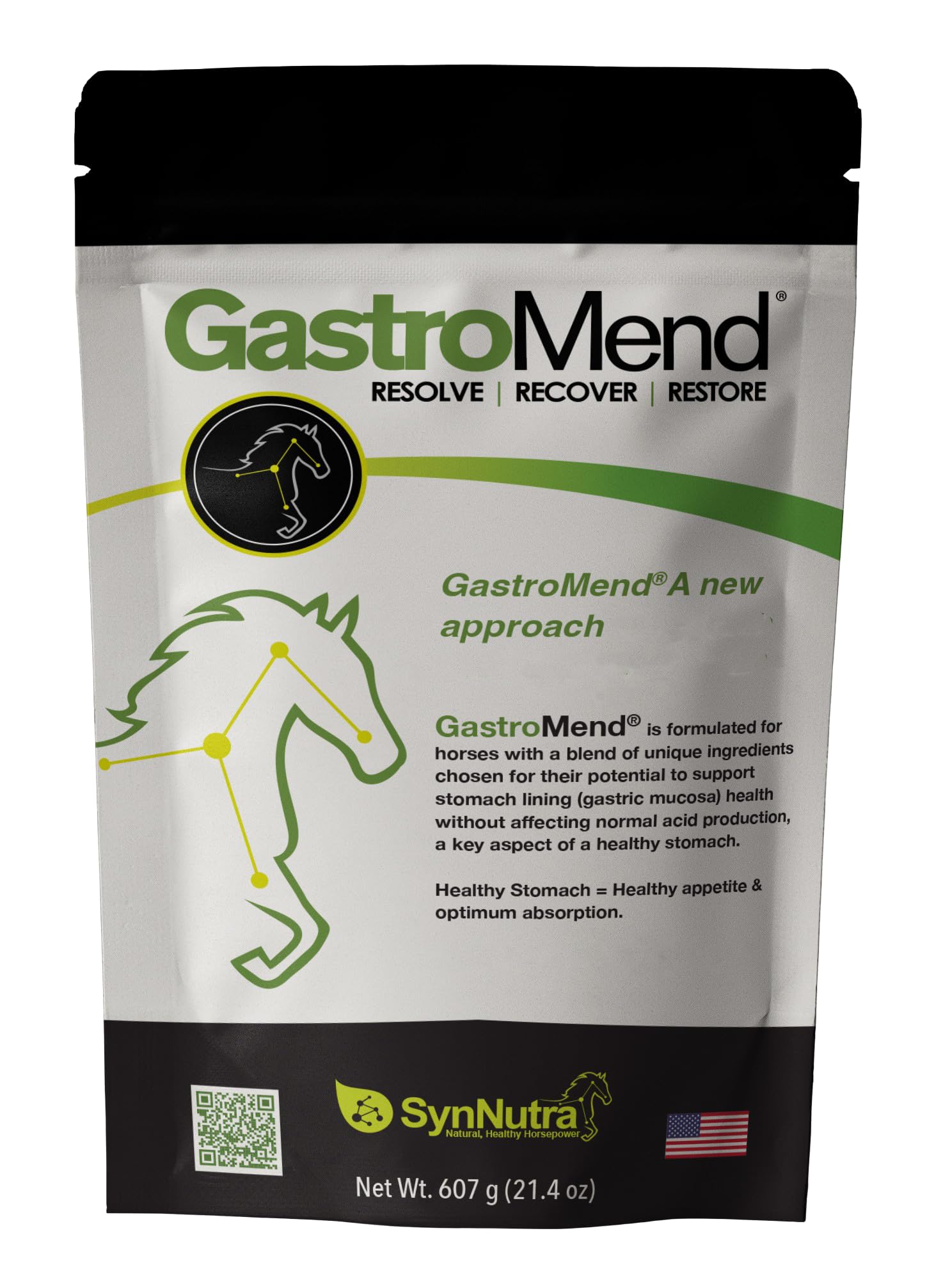
| GastroMendCompetition Safe | Competition-safe daily care | Powder | 15.2 oz | Natural botanicals | Amazon |
| ULZERless | Soothing natural relief | Powder | 7.5 lb bag | L-glutamine & Licorice | Amazon |
| Daily Gold Stress Relief | Chronic diarrhea & stress | Powder | 25 lb bag | Bentonite clay | Amazon |
| MagnaGard Gastric Support | Post-omeprazole prevention | Powder | 20 lb bucket | Magnesium & Bentonite | Amazon |
| Succeed Zesterra | Travel & colic support | Liquid | 250 g | Synergistic blend | Amazon |
| MagnaGard Plus | Ulcers plus coat & joints | Powder | 20 lb bucket | Omega 3s & Vitamin E | Amazon |
| Vitalize Alimend | Senior horses on NSAIDs | Liquid | 128 fl oz | Hyaluronan & Lion’s Mane | Amazon |
In‑Depth Reviews
1. Corta-Flx U-Gard Pellets
Our pick — over 4.5★ from 350+ verified ratings; the strongest balance of quality and price.
The pellet that picky eaters accept like a treat while quietly buffering the stomach all day.
This is the daily-prevention pick that owners reach for when they want a straightforward, grain-friendly supplement. The 10-pound bucket gives you a long-lasting supply, and the pellet form means you can toss it in a feed pan without any mixing fuss. What wins people over is its effectiveness — buyers report it genuinely helps maintain a healthy stomach lining, especially for horses with a sensitive stomach.
The formula leans on calcium and magnesium to aid in acid reduction, which is the core job of any good ulcer buffer. For horses with severe ulcers, some owners find they need 2-3 scoops a day, but for most, small scoops mixed into feed do the job. Racetrack studies cited in reviews show reduced ulcer size and severity over months of use.
It is also noticeably more economical than prescription omeprazole, a point buyers make repeatedly when comparing costs. It holds a 4.7-star average across 380 ratings, topping this list. Mix it into a morning grain ration and you have a simple, consistent routine.
What Owners Love
- Horses eat the pellets like a treat, even picky eaters
- Calcium and magnesium actively buffer stomach acid
- Preventative use keeps digestive systems steady for months
Consider This
- Severe ulcer cases may need a higher 2-3 scoop daily dose
- Value opinions are mixed — some wish for an even lower price
Reach for this if: you want an effective, easy-to-feed daily buffer that horses actually enjoy eating.
Look elsewhere if: your horse has a severe active ulcer that needs veterinary-grade medication first.
2. Corta-FLX U-Gard Powder
If your horse lives in a show barn or trains hard, this powder is built for that lifestyle. It is designed to reduce the risk of gastric ulcers in performance, show, and racehorses — exactly the group most prone to stress-related stomach issues. Owners mention no vet calls for ulcers or colic while using it, which is about as strong an endorsement as a daily supplement can earn.
The powder form has a proven track record: A 73-day field study on active racehorses showed decreased gastric ulcer severity. Each serving provides calcium and magnesium, natural minerals that buffer excess stomach acid and protect the stomach lining. At 8 pounds, this bucket is lighter than the 10-pound pellet version above, but the clinical backing makes it a favorite among serious competitors.
Picky eaters are rarely a problem here, with owners noting their horses eat it without fuss, especially when mixed into sweet feed with a little water to make it invisible. A 27-year-old Thoroughbred with ulcer symptoms recovered within two months on a twice-daily dose. The recurring gripe is a packaging issue — shipping labels occasionally cover the dosing instructions, which is frustrating but not a product flaw.
Best for: horses in training, competition, or stressful environments where digestion gets challenged daily.
Note: the 73-day field study on racehorses gives this a research edge most powders lack.
3. GastroMend Digestive Support
A competition-safe powder that calms anxious horses and supports gastric mucosa health.
For owners whose horses get stressed during travel, turnout changes, or heavy training, this powder is formulated specifically to maintain normal stomach function in those exact situations. It carries the NASC Quality Seal and is manufactured following FDA current good manufacturing practice guidelines, which reassures buyers who want a clean, regulated product. The formula is crafted with naturally derived ingredients and contains no banned substances, so it is safe for horses in regular competition.
The behavioral shift is what owners notice first: horses seem happier and calmer, with one anxious horse’s ulcers clearing up after just three weeks on a twice-daily top dressing. The powder is palatable enough that horses will eat it from your hand, though some owners need soaked beet pulp to get the full dose down. It also contains SynNutra’s approach to gastric mucosa health, which supports the stomach’s natural protective lining.
The honest trade-off is on value. Several owners note it is “very little product for the cost,” and one long-term user found ulcer symptoms intermittently returned after 120 days, requiring an UlcerGard backup for severe cases. It is a reliable daily support, but think of it as a maintenance tool rather than a cure for advanced ulcers.
Why It Wins Fans
- NASC certified and made under FDA guidelines
- No banned substances — safe for competition horses
- Customers note calmer behavior and improved manure consistency
Keep In Mind
- Small 15.2 oz container goes fast for multi-horse barns
- Severe ulcers may still need a veterinary medication backup
Grab this for: a competition horse that needs clean, stress-supporting daily care without banned substances.
skip it if: you need a bulk, budget-friendly bucket for a whole barn of horses.
4. ULZERless Equine Supplement
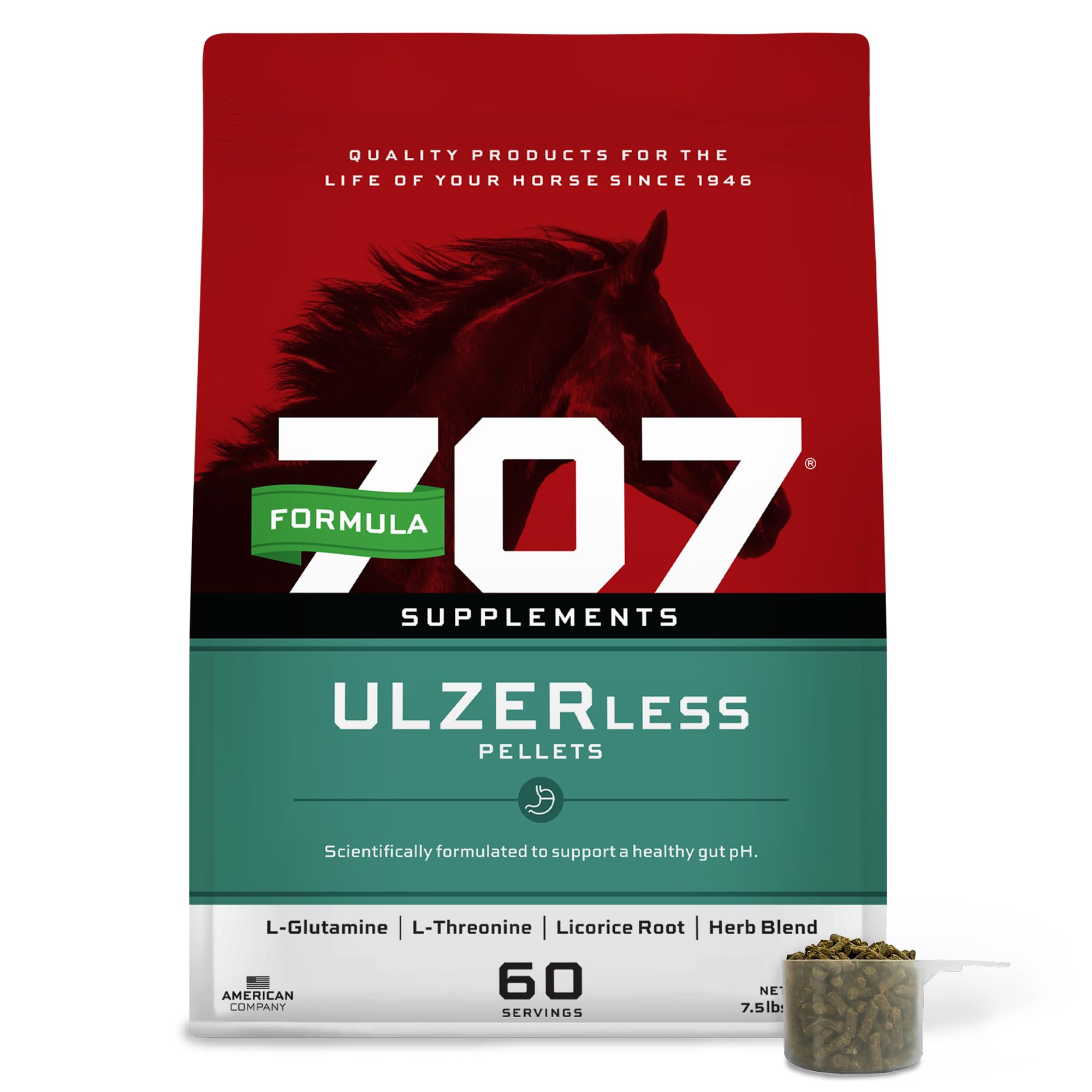
A licorice-root blend that soothes the gut naturally with no long-term medication concerns.
This one is for owners who prefer a botanical approach over mineral buffers. The Formula 707 blend pairs licorice root, grape seed extract, and marshmallow root to create a protective layer in the gut, while L-glutamine and L-threonine work to maintain gut integrity. Vet-formulated and made in-house in LaSalle, Colorado, at an equine-exclusive facility.
Reviewers point out it helped an older gelding recover from stomach upset caused by another supplement, and finicky horses love the licorice taste. The daily dose is simple — just two scoops per day. Unlike medications that cannot be used long-term, this is explicitly safe for daily use, supporting a healthy appetite and calmer behavior over time. One owner calls it their “Insurance Policy” when hauling, showing, or training.
The calming effect on mares is also a recurring theme, with owners noting a visible difference in temperament. It sits at a mid-range price point, but the natural ingredient list and vet-formulated backing justify the cost for owners who want to avoid synthetic options.
Standout trait: the licorice and marshmallow root combo is genuinely soothing — a mare with ulcers improved noticeably on this.
Trade-off: it is a daily maintenance product, not a rapid intervention for an acute gastric crisis.
5. Daily Gold Stress Relief
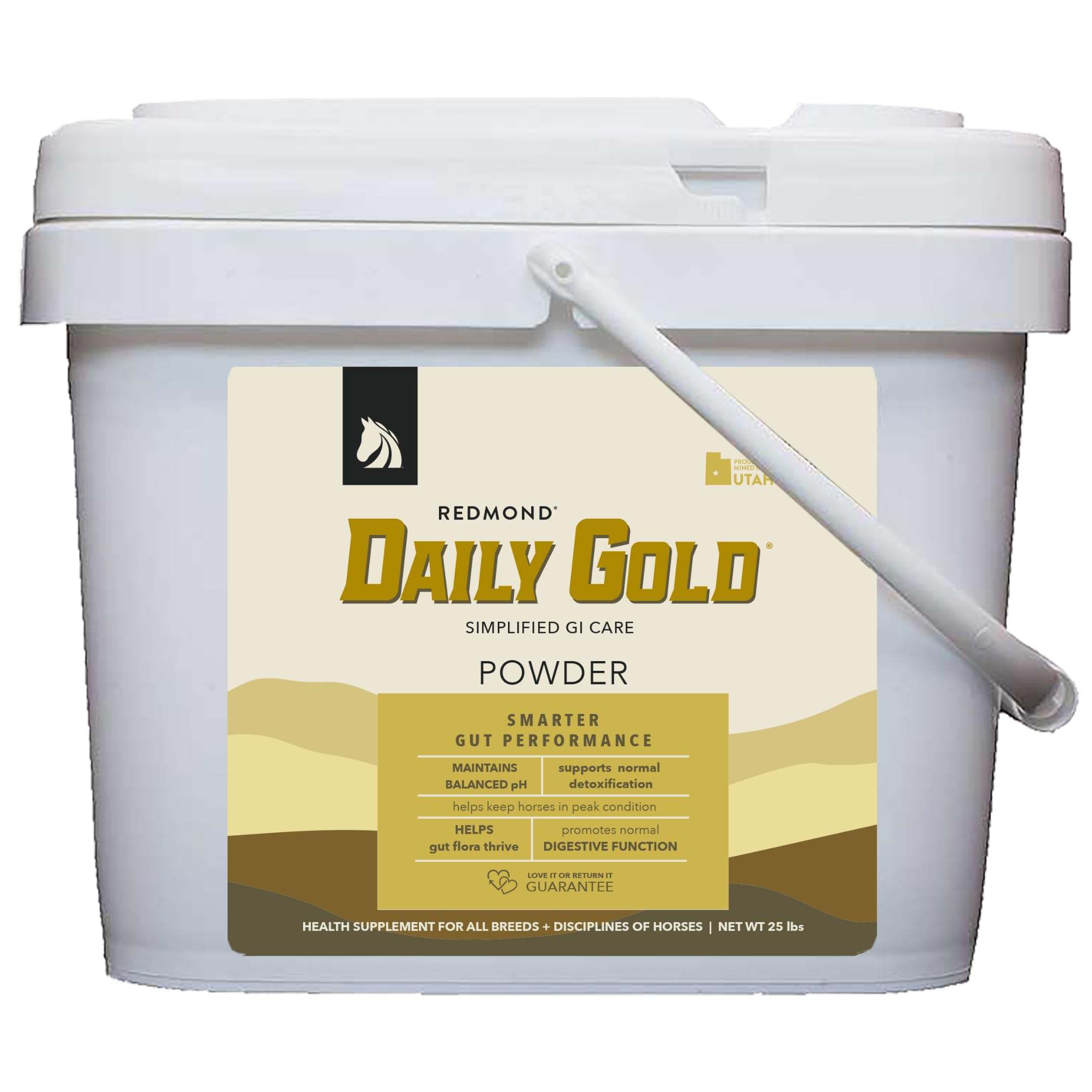
Pure Redmond bentonite clay that binds toxins, buffers acid, and clears stubborn diarrhea.
This is the single-ingredient answer for horses with chronic digestive upset. Daily Gold is 100% nature made — pure Redmond bentonite clay sourced in Utah, USA — which makes it about as simple as a supplement can get. The clay buffers excess stomach acid, binds toxins, eliminates diarrhea, and promotes a healthy gut microbiome. It also delivers 60+ loose trace minerals that improve coat, hoof, and overall performance.
The results stories are dramatic. A 31-year-old horse with chronic diarrhea and fecal water syndrome finally stabilized after owners tried hay pellets, free forage, timothy mix, and alfalfa without success. Another owner reports it was the first product to cause a drastic change in a horse that had tried thousands of dollars worth of Gastro Guard. Owners note their horses are visibly happier and drink more water on it.
The 25-pound bag is the largest on this list, making it the best value for multi-horse operations. Palatability is occasionally mixed — some horses take a few days to accept it — but most eat it fine mixed into food. It is a fantastic preventive and maintenance option, though severe ulcer cases may still need a prescription medication alongside it.
The Big Wins
- 25 lb bag is the best bulk value on this list
- 60+ trace minerals support hooves and coat
- Cleared chronic diarrhea where other supplements failed
Heads Up
- Palatability is mixed — a few horses refuse it at first
- Not a standalone cure for acute, severe ulcers
Choose this if: you want a natural, mineral-rich daily buffer for a horse with chronic gut issues or diarrhea.
Think twice if: you need a quick, targeted intervention for an active ulcer flare-up.
6. MagnaGard Gastric Support

A magnesium-rich buffer that lines the stomach and calms nervous horses before events.
MagnaGard takes a two-pronged approach: the bentonite clay lines the stomach as a buffer, while magnesium acts as a natural calmer to reduce stress. The 20-pound bucket supplies 5 months at 2 scoops (2 oz) daily. The maker also suggests feeding it 4 hours before an event as a calming support and gastric buffer, which makes it versatile for show days.
Shoppers say it works well as a follow-up after an omeprazole course. One owner managed a warmblood filly’s ulcers with a month of omeprazole, then switched to MagnaGard for prevention and saw weaning-related belly sensitivity resolve within days. Another barrel horse with suspected ulcers responded immediately, avoiding costly prescription medications. The calming effect also mellowed out a second mare and stopped diarrhea.
The honest note here is palatability. The most-mentioned concern is that some horses refuse to eat it, and the maker’s own instructions recommend mixing it into feed with water or adding apple sauce or aloe vera juice. It is a solid prevention tool, but it is not a standalone treatment for severe gastritis.
Ideal pairing: use this after a veterinary omeprazole course to keep ulcers from returning — that is the pattern buyers report most.
Catch: a picky horse may need coaxing to eat it, so budget for mixing tricks.
7. Zesterra for Horses

A liquid syringe that heads off travel stress, gas colic, and ulcers before they start.
This is the grab-and-go option for horses that stress while hauling. The liquid form comes with a syringe, making it simple to dose a horse directly without worrying about feed refusal. Owners mention starting Zesterra four days before travel and during transport, with a larger dose if a horse starts acting colicky. One barn avoided a second vet visit for a mare with gas colic by administering 50 cc of Zesterra followed by 10 cc daily for a week.
The 250 g bottle carries a 5-year expiration, so it is a smart addition to a first-aid or travel kit even if you only use it occasionally. It is also noted as usable for all livestock, which adds versatility for multi-species farms. Horses that are prone to ulcers, gas, or mild colic have all shown improvement, particularly older horses in one barn.
The syringe delivery sets this apart from every powder on this list. You can dose it exactly, even for a horse that is off feed. It is not marketed as a daily maintenance supplement, so treat it as your targeted tool for travel days, show weekends, or the first sign of colic discomfort.
Why It’s Handy
- Syringe lets you dose a horse that refuses feed
- 5-year expiration makes it a true emergency kit staple
- Helped avoid a second vet trip for gas colic
Know Before You Buy
- Single 250 g bottle is not a bulk daily option
- Best as a situational tool, not a year-round grain additive
Keep this on hand for: horses that stress on trailers, show trips, or the first signs of gas colic.
pass on it if: you want a daily scoop-and-feed supplement for ongoing ulcer prevention.
8. MagnaGard Plus with Omega 3s

The MagnaGard formula plus Omega 3s and vitamin E for horses that need more than just stomach care.
If your horse has ulcers along with a dull coat or stiff joints, this version of MagnaGard adds extra value on top of the gastric support. It prevents gastric ulcers and calms and soothes, but it also provides Omega 3s and vitamin E along with vital trace minerals including calcium and magnesium. The `Specific Uses For Product` list is broad — active, behavior, coat, joints, and stomach — making it a true multi-tasker for a horse in regular work.
Customers note rapid results, with one noting a horse that was sensitive on the underbelly and had diarrhea became much calmer within 24 hours, allowing belly rubs four months later. A hot-headed 12-year-old quarter horse mare responded well as a calming agent while potentially preventing future colic and ulcers. The phrase “less cinchy” also comes up, which is a direct sign of reduced girth discomfort.
Like the original MagnaGard, palatability is the variable to watch. Most horses eat it without issues, but a few need it mixed carefully into feed. It comes in the same 20 lb bucket with a 5-month supply, giving competitive value for owners who want stomach support plus coat and joint benefits in one scoop.
Best angle: get ulcer prevention plus Omega 3s for coat and joint health in a single 20 lb bucket.
Trade-off: some horses need gradual weaning onto it to accept the taste.
9. Vitalize Alimend
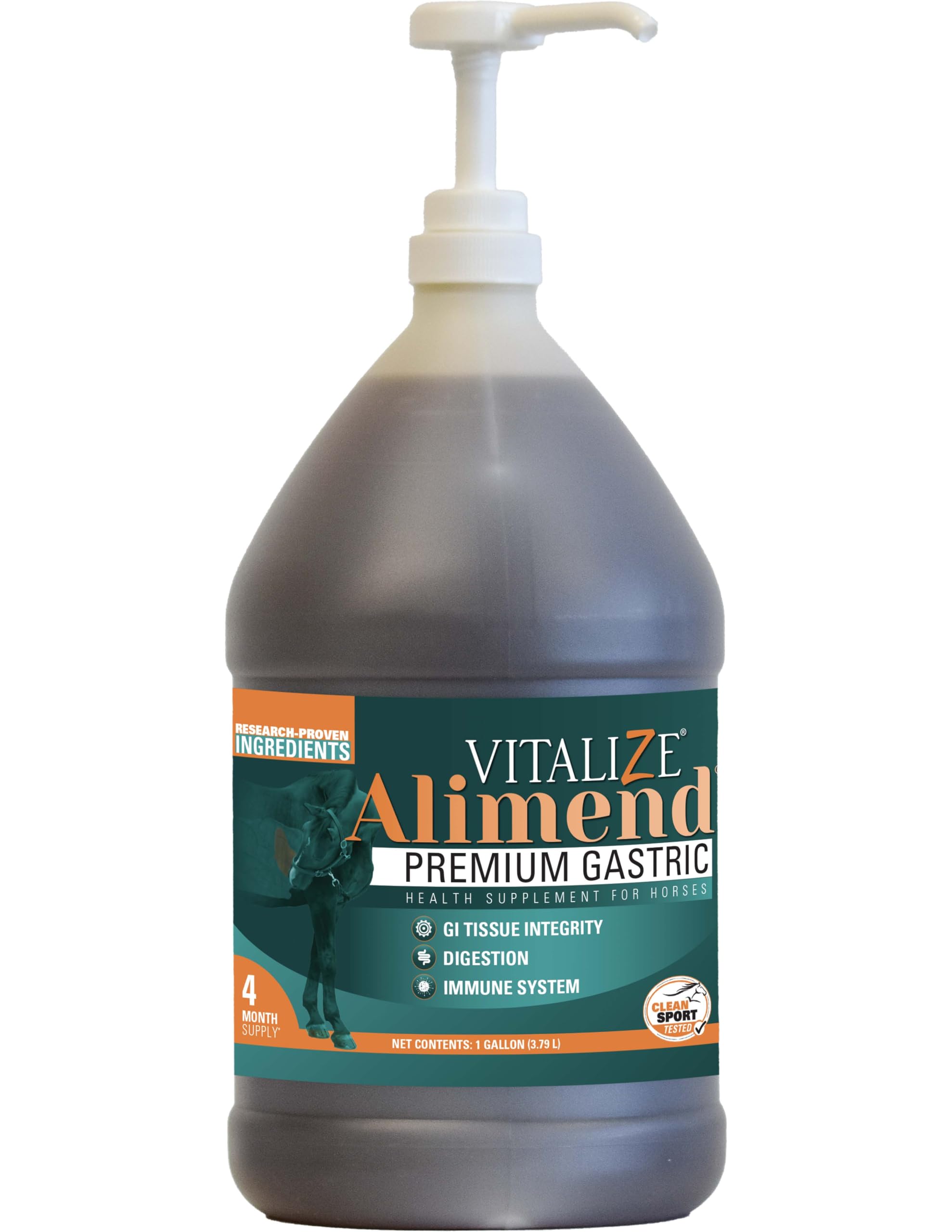
A liquid comfort formula with hyaluronan and lion’s mane for seniors on NSAIDs.
This is the premium pick for senior horses or those on NSAIDs that are prone to gastric ulcers. The liquid formula contains MHB3 Hyaluronan and lion’s mane extract, and it promotes gastric health without altering stomach pH — that is crucial for horses with sensitive systems that need gentle, ongoing care. The 128 fluid ounce bottle is designed for all-day comfort, working around the clock for chronic stomach issues like nausea, vomiting, and diarrhea.
Reviewers point out horses eat their food more readily with Alimend than without, which matters when a horse needs every calorie it can get. A fussy mare cleaned her bowl when the liquid was mixed in, and a sensitive riding donkey with gas and cinchiness improved on it. The formula draws on over 50 years of prebiotic expertise, including Amaferm.
The trade-off is the price point — this is the most expensive pick on the list. But for an owner managing a senior horse on bute or a chronic case that needs consistent comfort, the liquid delivery and research-backed formula can be worth the premium. It is safe for continuous use, which is a key advantage over medications that carry long-term restrictions.
The Upside
- Does not alter stomach pH — gentle for sensitive seniors
- Liquid form makes it easy for horses that refuse powder
- Clinically backed Amaferm prebiotic heritage
The Cost Reality
- Premium price tag — the most expensive pick here
- Large 128 fl oz commitment if a horse changes routine
Invest in this for: a senior horse on NSAIDs or a chronic case needing gentle, 24/7 stomach comfort.
Pass if: you need a budget-friendly bulk option for a healthy horse in light work.
Understanding the Specs
Calcium and Magnesium
These two minerals are the foundation of most equine ulcer buffers. They physically neutralize excess stomach acid, which is what actually helps prevent the acid from eroding the stomach lining. If a horse is in heavy training or on restricted turnout, the stomach produces more acid, so a daily mineral buffer becomes a practical shield.
Bentonite Clay
Bentonite is a natural volcanic clay that acts like a sponge and a buffer. It lines the stomach, binds toxins, and helps firm up loose manure. Products like Daily Gold and MagnaGard rely on it heavily, and it is also a source of natural electrolytes that support overall gut function.
FAQ
Can an equine ulcer supplement replace omeprazole?
How long until I see results from a stomach supplement?
Will a picky horse eat these supplements?
Is it safe to use these supplements long-term?
What is the difference between pellet and powder forms?
Can these supplements help with diarrhea and fecal water syndrome?
Are liquid supplements better than powders?
How should I introduce a new stomach supplement?
Final Thoughts: The Verdict
For most owners, the best equine ulcer supplement is the Corta-Flx U-Gard Pellets because it pairs genuine effectiveness with the kind of palatability that makes daily feeding easy. If you want a research-backed powder for a horse in heavy training, grab the Corta-FLX U-Gard Powder. And for a senior horse on NSAIDs that needs gentle, around-the-clock comfort, the Vitalize Alimend is the premium pick to reach for.
How We Picked
We do not accept paid placement. Every pick is matched to a real buyer and a real use-case; we do not hands-on test units.
Sources & Methodology
Specifications: manufacturer listings and product documentation. Review insights: verified customer reviews, as of August 2026. Pricing: not shown on this page (it changes often); check the current price via the retailer link.
As an Amazon Associate, WellFizz earns from qualifying purchases. This does not affect which products we feature.
Related Guides

Mo Maruf
I created WellFizz to bridge the gap between vague wellness advice and actionable solutions. My mission is simple: to decode the research and give you practical tools you can actually use.
Beyond the data, I am a passionate traveler. I believe that stepping away from the screen to explore new environments is essential for mental clarity and physical vitality.